
Golden Eagles Set to Return to English Skies After 150 Years
After more than 150 years, England is poised to welcome the majestic golden eagle back to its skies. A new study by Forestry England has confirmed the country’s capacity to sustain golden eagle populations, marking a significant step towards restoring an iconic species that was once common in Shakespearean England. The golden eagle has been
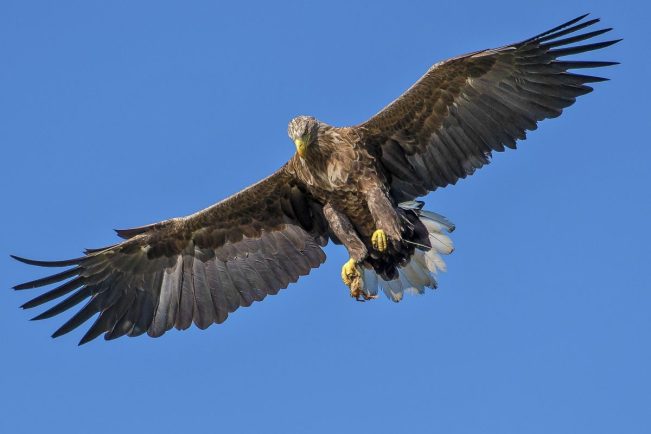
After more than 150 years, England is poised to welcome the majestic golden eagle back to its skies. A new study by Forestry England has confirmed the country's capacity to sustain golden eagle populations, marking a significant step towards restoring an iconic species that was once common in Shakespearean England. The golden eagle has been largely absent, with its effective extinction in England noted with the death of the last native bird in 2015 in the Lake District. Their decline was primarily due to centuries of persecution by gamekeepers and farmers who perceived them as a threat to livestock and game birds. This hopeful news emerges as a beacon in ongoing conservation efforts.
The comprehensive study pinpointed eight potential "recovery zones," predominantly situated in the north of England, as the most suitable areas for these raptors. While the establishment of self-sustaining breeding populations could take over a decade, the initial findings lay a robust foundation for the reintroduction programme. These areas will serve as crucial habitats for the reintroduced birds, offering the necessary environmental conditions and food sources for their long-term survival and proliferation, building on natural movements already observed from southern Scotland.
In a strong show of government commitment, Environment Secretary Emma Reynolds has approved an additional £1 million in species recovery funding. This significant investment is intended to accelerate the programme, potentially allowing for the release of juvenile eagles, aged six to eight weeks, as early as next year. Reynolds emphasised the government’s dedication to protecting and restoring threatened native wildlife, highlighting the golden eagle's importance. This funding is part of a broader £60 million package aimed at bolstering biodiversity across the UK.
The initiative draws inspiration from the remarkable recovery of golden eagle populations in southern Scotland, where a major restoration project has led to record numbers. Satellite tracking has already shown some of these translocated Scottish birds venturing across the border into northern England. The new funding aims to support these natural explorations, encouraging birds to settle south of the border, complemented by targeted reintroductions. Forestry England’s Chief Executive, Mike Seddon, affirmed that the funding will enable crucial engagement with local communities, landowners, and conservation organisations, ensuring a collaborative and sustainable approach towards meeting the UK's legally binding targets to halt species decline by 2030 and reduce extinction risk by 2042.