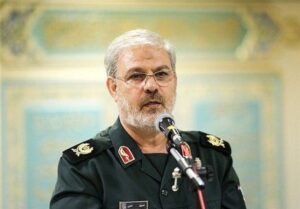
Strait of Hormuz Summit Proposed by the US
The United States has proposed an international summit on maritime security in the Strait of Hormuz as concerns grow over shipping disruptions in one of the world’s most important waterways. U.S. Defense Secretary Pete Hegseth has asked the United Kingdom to host the meeting, which could take place next week if plans move forward. According
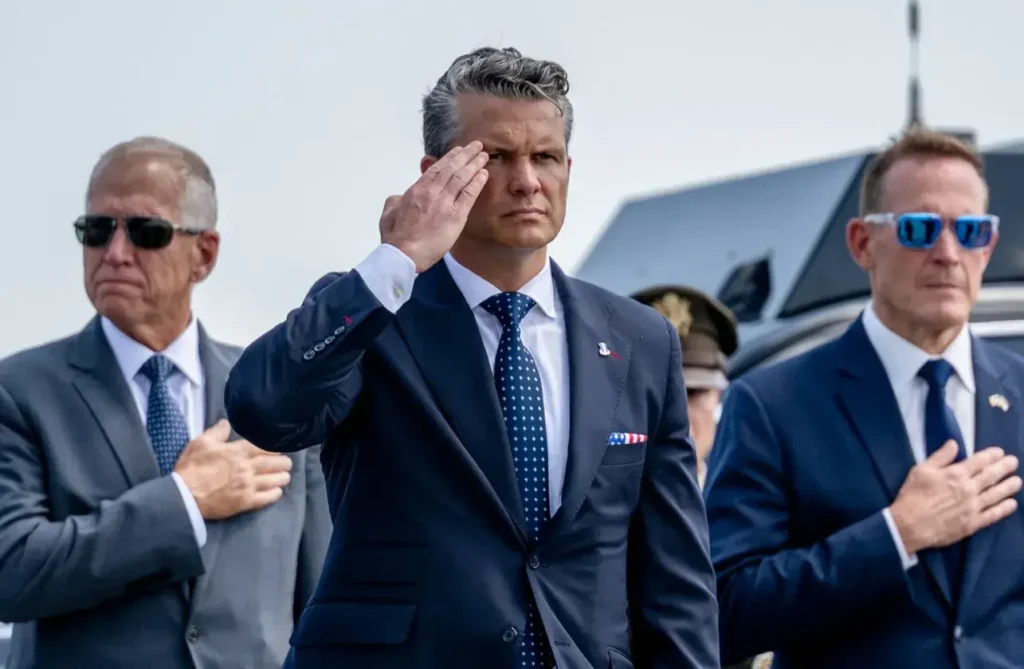
The United States has proposed an international summit on maritime security in the Strait of Hormuz as concerns grow over shipping disruptions in one of the world's most important waterways. U.S. Defense Secretary Pete Hegseth has asked the United Kingdom to host the meeting, which could take place next week if plans move forward.
According to reports, Hegseth discussed the proposal during a phone call with his British counterpart. The discussions focused on strengthening international cooperation to improve maritime security and restore confidence in commercial shipping through the strategic waterway.
Officials said no final decision has been made on whether the summit will take place. Planning discussions are continuing between the two governments, and additional countries could be invited if the meeting is confirmed.
The United States wants the United Kingdom to serve as the host for the gathering. Reports also indicate that Hegseth is prepared to attend the summit if it goes ahead.
The proposal comes as the Trump administration increases diplomatic efforts to address security concerns in the Strait of Hormuz. The waterway is one of the world's busiest energy shipping routes and is critical for the movement of oil and natural gas to international markets.
Recent regional tensions have disrupted shipping in the area and raised concerns among governments and businesses that rely on safe maritime trade. The United States has been encouraging allies to work together to improve navigation and protect commercial vessels.
However, several countries have expressed caution about becoming directly involved in security operations. Some governments are concerned that military participation could increase regional tensions or draw them into a wider conflict.
The United Kingdom and several European countries have previously stated that they would consider mine-clearing operations in the Strait of Hormuz only after a lasting ceasefire is in place. Officials have stressed that improving security should be linked with diplomatic efforts to reduce conflict in the region.
The proposed summit would provide an opportunity for governments to discuss practical measures to improve maritime safety, maintain freedom of navigation, and coordinate international responses to future security challenges.
The Strait of Hormuz remains one of the most strategically important waterways in the world. A large share of global oil exports passes through the narrow passage each day, making uninterrupted shipping essential for international energy markets and global trade.
Any disruption to shipping in the area can affect energy prices, supply chains, and economic activity across many countries. Because of its importance, governments continue to closely monitor developments and explore ways to maintain safe navigation.
The latest proposal follows continued diplomatic efforts by the United States to encourage greater international cooperation. U.S. officials have repeatedly called on partner nations to support initiatives that protect commercial shipping while promoting regional stability.
U.S. Secretary of State Marco Rubio has also urged the international community to increase diplomatic engagement with Iran as part of broader efforts to reduce tensions and improve security in the region.
While discussions on the proposed summit continue, officials have not announced a confirmed date or released details about possible participants. Governments involved in the talks are expected to continue consultations before making a final decision.
The proposed meeting reflects ongoing international efforts to balance maritime security with diplomacy. As regional tensions continue to affect one of the world's most important shipping routes, many countries are looking for coordinated solutions that support safe trade, regional stability, and long-term security.