
Royal Navy Tracks More Russian Ships Near UK Waters
The Royal Navy spent more time monitoring Royal Navy Russian ships around UK waters in July as activity by Moscow’s vessels increased. British naval forces spent 21 days tracking Russian ships during the month. This was 25% more time than in July last year. Royal Navy ships made repeated trips through the Strait of Dover
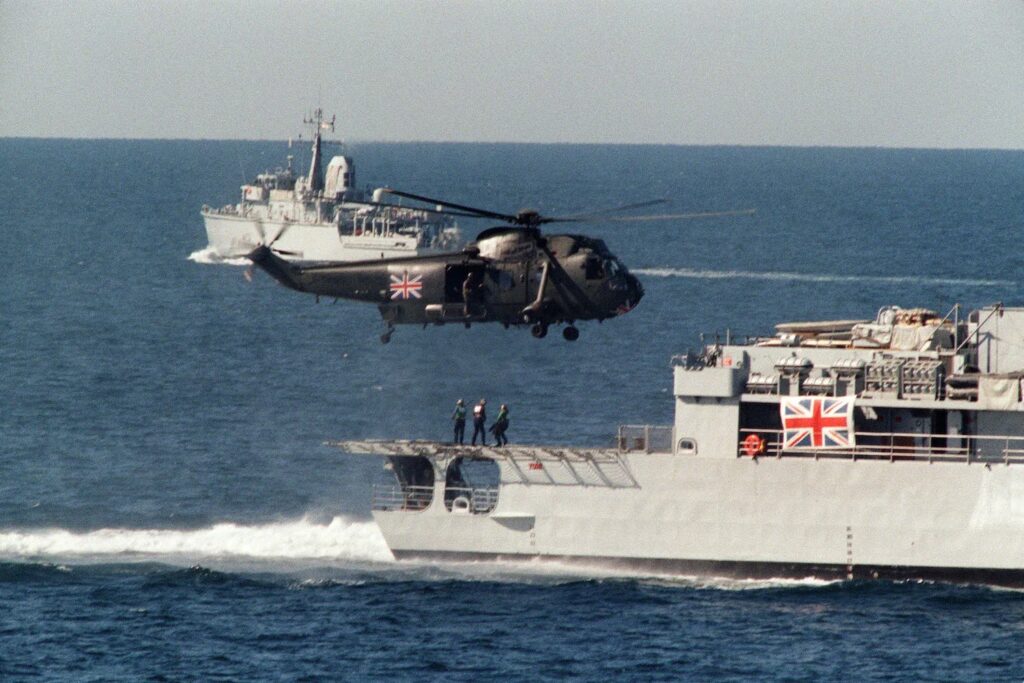
The Royal Navy spent more time monitoring Royal Navy Russian ships around UK waters in July as activity by Moscow's vessels increased.
British naval forces spent 21 days tracking Russian ships during the month. This was 25% more time than in July last year.
Royal Navy ships made repeated trips through the Strait of Dover and the North Sea. Their task was to monitor Russian vessels and track their movements near British waters.
Offshore patrol ships HMS Tyne, HMS Mersey and HMS Severn were used during the operations. Wildcat helicopters from 815 Naval Air Squadron also took part.
Merlin aircraft designed to hunt submarines were also deployed. The forces were used to track two Russian frigates, Neustrashimy and Admiral Grigorovich.
The two frigates have been involved in escorting tankers linked to Russia's so-called shadow fleet. These older ships are accused of helping Russia move oil while avoiding international sanctions.
The rise in naval activity is part of a wider increase in Russian military operations near the UK.
Data from the Ministry of Defence showed that Royal Navy ships were activated 116 times in the year to March 2026. During those operations, British forces monitored 61 Russian warships and 28 Russian merchant vessels around UK waters.
The figures showed a 30% rise in Russian naval activity over two years.
Some of the operations have involved Russian ships suspected of gathering information near key UK infrastructure.
One example was the Russian spy ship Yantar. It was seen near undersea cables off Scotland in November last year.
Undersea cables carry internet and other key services between countries. Any activity near them can raise security concerns because damage to the cables could affect communications.
The UK has also taken stronger action against Russia's shadow fleet.
In June, Royal Marines boarded and seized the tanker Smyrtos. It was the first time British troops had directly boarded a vessel linked to the shadow fleet.
The increase in Russian activity has also placed pressure on Russia's naval forces.
The Ministry of Defence said Russia was using valuable military capacity to protect cargo ships. Russian warships have been used to escort shadow fleet tankers rather than focus only on other military tasks.
The UK has imposed sanctions on more than 500 vessels linked to the Russian shadow fleet.
Russia's oil and gas income also fell by 24% in 2025 compared with the previous year. The restrictions are aimed at reducing Moscow's ability to earn money from energy exports.
HMS Tyne was among the British ships involved in recent monitoring work. It tracked the Neustrashimy when the Russian frigate carried out a live-firing exercise on July 20.
The exercise took place outside British and French waters. British forces monitored the Russian ship during the activity.
Another Royal Navy frigate, HMS Somerset, has been monitoring Russian activity in the North Atlantic.
Somerset is taking part in a four-month Nato deployment. Its mission includes searching for submarines and supporting wider maritime security operations.
The ship is working with helicopters from the Navy's Fleet Air Arm during the deployment.
Somerset's commanding officer, Cmdr Matt Millyard, said the mission showed the role of the Royal Navy in protecting Britain and its allies.
The increased monitoring comes as tensions between Russia and Western countries remain high. Russia's war in Ukraine has led to wider military and economic tensions across Europe.
British forces are now spending more time tracking Russian ships close to UK waters. The increase shows the growing focus on maritime security and the protection of important infrastructure.
For the Royal Navy, monitoring Russian vessels is part of a wider effort to understand their movements and respond when needed. The latest figures suggest that this task is taking up more naval time than it did a year ago.