
Israel Settlement Expansion Draws UK Warning
The United Kingdom has threatened possible sanctions against individuals involved in Israeli settlement expansion after Israel opened a bidding process for more than 1,200 new homes in the E1 area near the West Bank settlement of Ma’aleh Adumim. The move has triggered strong reactions from several countries, with Britain joining other international partners in expressing
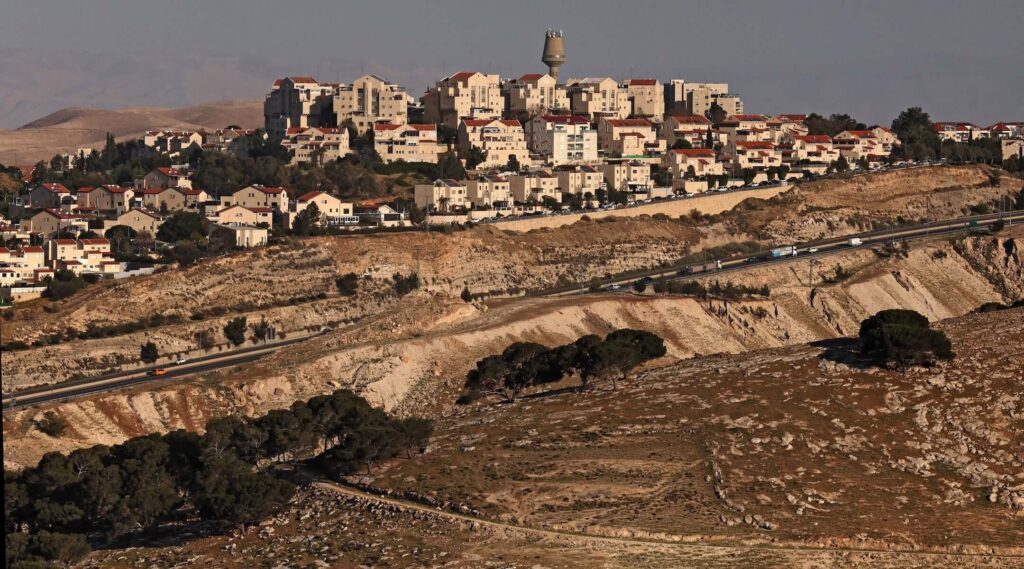
The United Kingdom has threatened possible sanctions against individuals involved in Israeli settlement expansion after Israel opened a bidding process for more than 1,200 new homes in the E1 area near the West Bank settlement of Ma’aleh Adumim.
The move has triggered strong reactions from several countries, with Britain joining other international partners in expressing concern about the potential impact on future peace efforts in the region.
British Foreign Secretary Ed Miliband said construction in the E1 area could have serious consequences for the prospects of a two-state solution. He argued that development in the area could affect territorial continuity between parts of the West Bank and East Jerusalem, making future negotiations more difficult.
In a public statement, Miliband warned that targeted sanctions could be considered as part of a broader response by the British government. He also confirmed that Israeli diplomatic representatives had been summoned to discuss the issue and that Britain had called for the bidding process to be halted.
According to British officials, the government believes continued development in the E1 area could undermine efforts to achieve a lasting political settlement between Israelis and Palestinians. Britain has repeatedly expressed support for a negotiated two-state solution as the basis for long-term peace.
Israel strongly rejected the criticism. Foreign Minister Gideon Sa’ar responded by criticizing the British position and describing the approach as harmful to relations between the two countries.
Sa’ar argued that Israel has the right to develop communities within areas it considers important and accused the British government of focusing criticism on Israel while overlooking security concerns and extremist activity by Palestinian groups.
The dispute centers on plans to build 1,234 housing units in the E1 section, a largely undeveloped area located near Ma’aleh Adumim, one of the largest Israeli settlements in the West Bank.
Plans for development in the area have existed for decades. Proposals to expand construction in E1 date back to the 1990s and have been discussed by multiple Israeli governments. However, implementation has often been delayed because of international opposition and diplomatic concerns.
Many governments have argued that building in E1 could complicate future border arrangements and reduce the possibility of creating a geographically connected Palestinian state. Because of these concerns, previous development efforts have frequently faced diplomatic pressure.
The latest bidding process was officially announced this week and is expected to remain open until October. The announcement comes shortly before Israel's upcoming national elections, adding a political dimension to the issue.
Supporters of the project argue that expanding housing in the area addresses development needs and reflects long-standing Israeli claims regarding the region. Many right-wing political groups in Israel support continued settlement growth and oppose the creation of a Palestinian state under current proposals.
The issue has also attracted widespread international attention. Alongside Britain, several countries including France, Germany, Italy, the Netherlands, Norway, Canada, Belgium, Sweden, Australia, and New Zealand expressed concern over the project.
In a joint statement, these governments warned that settlement construction in E1 could increase tensions and further complicate efforts to achieve a negotiated peace agreement. They also stated that such actions could affect Israel’s international standing and diplomatic relationships.
The international response highlights the continued sensitivity surrounding settlement policy and the future of the Israeli-Palestinian conflict. Settlement activity remains one of the most debated issues in peace discussions and often generates strong reactions from governments around the world.
While no sanctions have been announced at this stage, Britain's warning signals growing frustration among some international partners regarding developments in the area. Diplomatic discussions are expected to continue as governments assess the implications of the project.
The Israel Settlement Expansion issue is likely to remain a major topic in international diplomacy as leaders continue to debate the future of the region, the prospects for peace, and the path toward a long-term political solution.
UK Gas Standing Charges Set for Major Reform

UK Budget Economic Pressure Shapes Government Plans

Britain EU Industrial Rules Remain Key Issue in Talks

UK Business Financial Distress Reaches a Two Decade High

Slow Construction Threatens Britain’s Housing and Growth Plans
Thousands of British Homes Remain Without Power After Storms