
Keir Starmer Steps Down As Member Of Parliament
Former British Prime Minister Keir Starmer has announced he will step down as a member of Parliament, closing out an eleven year run in Westminster and marking his full exit from frontline domestic politics. Starmer told his local newspaper, the Camden New Journal, that it felt like the right time to leave the House of
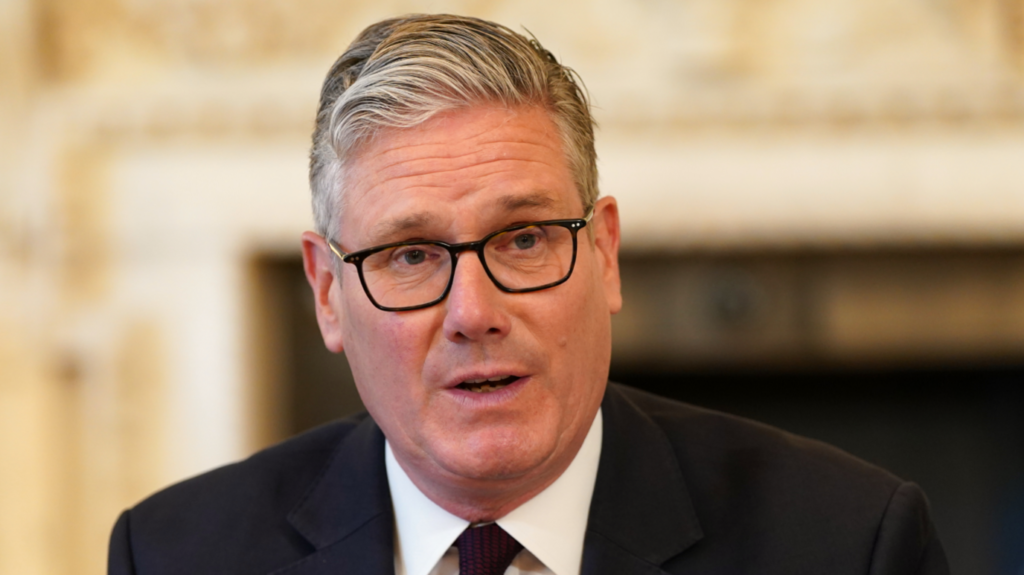
Former British Prime Minister Keir Starmer has announced he will step down as a member of Parliament, closing out an eleven year run in Westminster and marking his full exit from frontline domestic politics. Starmer told his local newspaper, the Camden New Journal, that it felt like the right time to leave the House of Commons. The announcement comes roughly six weeks after he resigned as prime minister, having lost the backing of many of his own party's lawmakers.
Starmer has represented the Holborn and St Pancras constituency in London since 2015, comfortably holding the seat through multiple elections. His departure will trigger a by election in the constituency, giving voters there a chance to choose a new representative. Early reports suggest the left leaning Green Party sees a real opportunity in the race, with party leader Zack Polanski said to have long expressed interest in representing a London seat in Parliament.
In his statement, Starmer reflected on his years representing the area, calling it an honor and a privilege to serve what he described as one of the best constituencies in the country. He also paid tribute to his predecessor in the seat, a former minister from an earlier Labour government, saying he hoped to pass the role on to a worthy successor. Starmer said he plans to focus his future efforts on international affairs, including work related to defense, security, trade, and technology.
His exit from Parliament follows a turbulent final stretch as prime minister, during which he faced sustained pressure from lawmakers across his own party. Over ninety Labour members of Parliament had publicly called on him to resign or set a clear timeline for departure, driven by a mix of concerns ranging from immigration policy and tax increases to the government's handling of welfare reform and its response to conflict in the Middle East. That pressure culminated in several high profile resignations from his government in the months before he ultimately stepped down.
Starmer led Labour to a sweeping election victory in 2024, ending fourteen years of Conservative led government and securing one of the largest parliamentary majorities in recent British political history. Despite that strong start, his approval ratings fell sharply over the following months, eventually placing him among the least popular prime ministers in recent memory according to public polling.
Following his resignation as prime minister, attention within the Labour Party turned quickly to the question of succession. Reports have pointed to senior party figures positioning themselves as potential successors, though the formal process for selecting new leadership continues to develop. Starmer's decision to also leave Parliament removes any possibility of him remaining as a backbench influence within the party going forward.
Political analysts say Starmer's swift and complete departure from Westminster marks an unusually clean break compared to some past prime ministers, who often remained in Parliament for years after leaving office. His focus on international affairs suggests he may pursue work connected to diplomacy or global policy issues outside the formal structures of British government.
As the Holborn and St Pancras by election approaches, all major parties are expected to closely contest the seat, given its high profile as Starmer's former constituency. The result will offer an early signal of how voters view the Labour Party in the aftermath of a difficult and closely watched change in national leadership.
UK Gas Standing Charges Set for Major Reform

UK Budget Economic Pressure Shapes Government Plans
Britain EU Industrial Rules Remain Key Issue in Talks
UK Business Financial Distress Reaches a Two Decade High

Slow Construction Threatens Britain’s Housing and Growth Plans
Thousands of British Homes Remain Without Power After Storms