London Rail Disruption Continues After Track Fire
Rail passengers in London are facing continued disruption on Monday, September 28, after a fire next to the track caused major problems around Clapham Junction. National Rail said the disruption was expected to continue until at least 10am on Monday, with services between Clapham Junction and several London destinations cancelled, delayed or changed. The incident
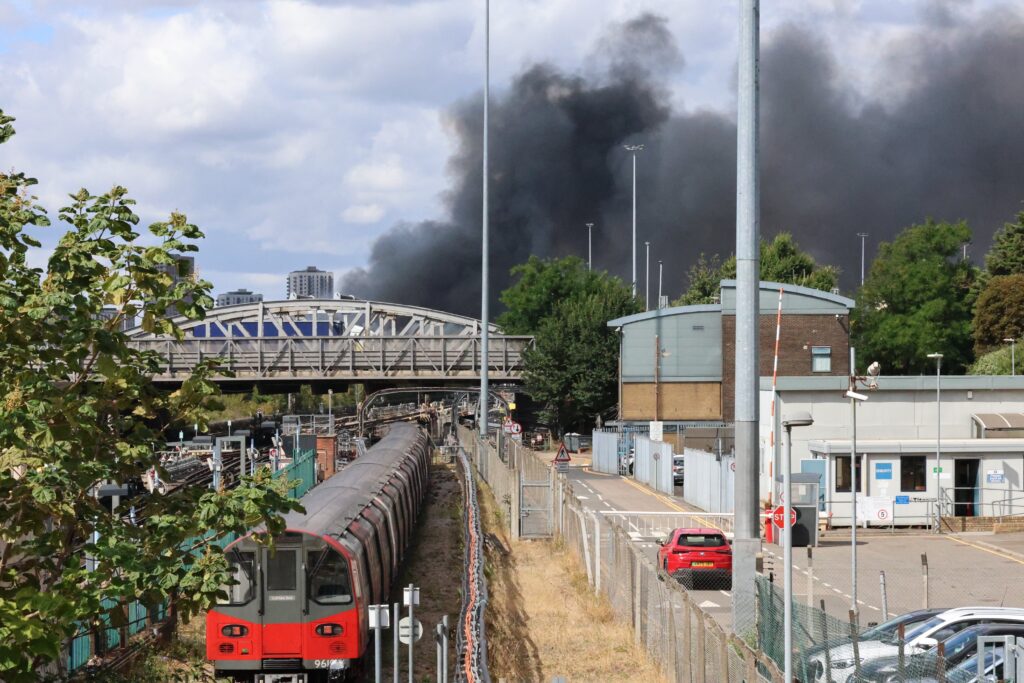
Rail passengers in London are facing continued disruption on Monday, September 28, after a fire next to the track caused major problems around Clapham Junction. National Rail said the disruption was expected to continue until at least 10am on Monday, with services between Clapham Junction and several London destinations cancelled, delayed or changed. The incident began on Sunday, September 27, when a fire near the railway caused disruption around Clapham Junction. Several operators were affected, including Gatwick Express, London Overground and Southern.
Clapham Junction is one of the busiest railway stations in Britain and connects services from different parts of London and the south of England. Because of its importance as a major interchange, disruption in the area can quickly affect many journeys. The fire caused problems on routes connecting Clapham Junction with London Victoria, Imperial Wharf and Denmark Hill, with some services cancelled while others were severely delayed or diverted.
Railway teams began repair work overnight, but National Rail warned that trains could remain displaced across the network even after lines reopened. This meant amended services could continue into Monday morning. Passengers travelling on September 28 were advised to check their journeys before leaving home because the disruption could affect both local passengers and people travelling to London airports.
Gatwick Express services were among those affected, meaning passengers travelling between central London and Gatwick Airport needed to consider alternative routes and allow additional time. Southern services to and from London Victoria were also affected, while London Overground trains between Stratford, Dalston Junction and Clapham Junction faced changes. The disruption therefore affected several parts of London's transport network rather than only trains passing directly through the damaged area.
Alternative transport options were available for some passengers. These included Southeastern services, London Overground routes between Canada Water and Norwood Junction, London Trams and South Western Railway services. Rail replacement buses were also being used on some routes, and passengers were advised to speak with station staff and check live journey information before travelling.
The disruption shows how an incident at one part of London's rail network can affect a much wider area. Clapham Junction is a major interchange, so trains that normally pass through the station may need to be diverted or held elsewhere. The fire also required safety checks before railway services could return to normal because heat and smoke can damage railway equipment and infrastructure.
For commuters, Monday morning was particularly important because thousands of people use the affected routes to travel to work. Delays of even 30 minutes can create significant problems for passengers with connecting trains or fixed work schedules. People travelling to airports face additional pressure because missed connections can affect flights, so passengers travelling to Gatwick were advised to allow more time for their journeys.
National Rail said tickets dated September 27 could also be accepted on services on Monday, September 28, at no additional cost under the disruption arrangements. The railway system was expected to gradually return to normal after the repair work, although officials warned that the timetable could remain different until at least 10am.
For London, the incident comes during a busy period for transport, with the city already experiencing planned engineering works and large events during the weekend. The Clapham Junction disruption is different because it was caused by an unexpected fire rather than planned maintenance, making it harder for transport operators to prepare alternative services in advance.
Passengers should therefore continue checking live information because conditions can change as repairs progress. The September 28 disruption is expected to ease after the morning repair period, but some trains may continue to run differently while the network returns to its normal timetable. For anyone travelling through Clapham Junction, London Victoria or nearby routes, checking the latest journey information remains the safest way to plan travel.
NHS Trusts Question Value of Palantir Data Platform
Russell Brand Trial Continues as Court Hears Evidence

UK Budget Faces Close Watch From Financial Markets

UK Regulator Targets Microsoft’s Business Software Power

UK Economy Grows Despite Pressure on Household Budgets

UK Urges Stronger Sanctions on Russian Shipping