
Home Insulation Could Cut UK Energy Costs
A new study suggests that improving home insulation and installing heat pumps could bring greater benefits to the UK economy than developing new North Sea oilfields. The research, from the think tank E3G, argues that investment in warmer homes could lower household energy bills, create jobs and reduce the country’s exposure to changing fuel prices.
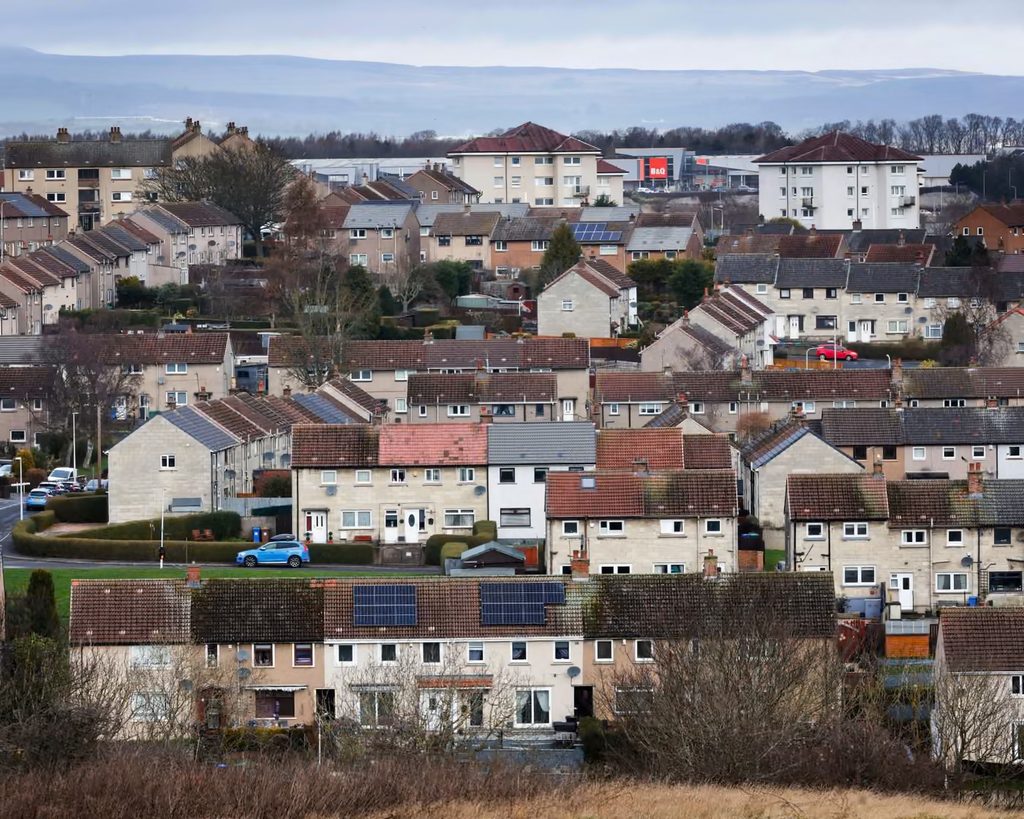
A new study suggests that improving home insulation and installing heat pumps could bring greater benefits to the UK economy than developing new North Sea oilfields. The research, from the think tank E3G, argues that investment in warmer homes could lower household energy bills, create jobs and reduce the country's exposure to changing fuel prices.
The proposal is linked to the government's £15 billion Warm Homes Plan. The programme aims to improve energy efficiency and support the use of cleaner heating systems. According to E3G's estimates, the plan could save households around £1 billion a year in energy costs and create tens of thousands of jobs across the country.
Insulation helps homes retain heat during cold weather and stay more comfortable throughout the year. Heat pumps can provide heating more efficiently than many traditional systems, although the savings depend on the property, the equipment and the cost of electricity. When homes use less energy, families may be less exposed to sudden increases in fuel prices.
The report compares these potential benefits with the expected economic gains from new oil projects, including Rosebank and Jackdaw in the North Sea. E3G argues that oil developments may produce fewer jobs than some supporters claim, while tax relief and later decommissioning costs could reduce the public revenue they generate. The think tank says the benefits of clean heating would be spread more widely across households and local economies.
The findings add to a long-running debate over Britain's energy strategy. Supporters of new oil and gas production argue that domestic supplies can strengthen energy security and support industry. Critics say expanding fossil fuel production risks slowing the transition to cleaner energy and may not provide lasting protection against global price changes.
The government must weigh energy security, household costs, jobs and climate goals. Improving homes can require upfront investment and trained workers, while some properties are harder to upgrade than others. Careful planning is needed to ensure that lower-income households can access support and that installations meet suitable standards.
The study does not settle the debate, but it offers a different way to assess energy investment. Rather than focusing only on fuel production, it asks how much money households can save and how benefits can be shared across the country. The government's decisions will help determine whether home efficiency becomes a central part of its response to high living costs.
NHS Public Support Declines Across Britain

UK Campaign Targets Loud Audio on Public Transport

UK Think Tank Calls for a New Debate on EU Membership

NHS Leader Warns of Possible Maternity Unit Closures

Microsoft Withdraws From Delayed UK Data Centre Project

NHS Trusts Question Value of Palantir Data Platform