
UK Leaders Face Pressure Before the Budget Debate
The United Kingdom is entering a key week for economic policy as political leaders prepare for a budget debate focused on public spending, local growth, and the pressure facing households. Coverage published on Sunday, October 25, highlighted proposals to give regional mayors more money to support local priorities. The discussion comes as ministers face questions
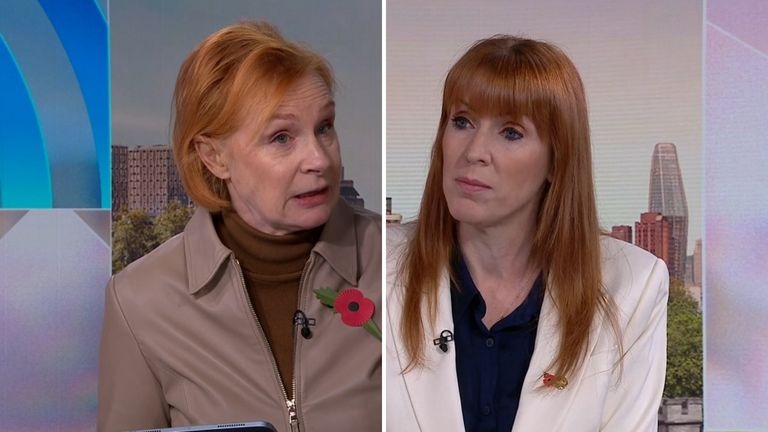
The United Kingdom is entering a key week for economic policy as political leaders prepare for a budget debate focused on public spending, local growth, and the pressure facing households. Coverage published on Sunday, October 25, highlighted proposals to give regional mayors more money to support local priorities. The discussion comes as ministers face questions about how to improve public services while managing the cost of government. With many families still concerned about bills and living costs, the budget is likely to be judged not only by its headline figures but also by how its measures affect daily life.
One issue in the debate is how much control local leaders should have over public funds. Supporters of greater local decision-making argue that mayors and councils often understand the needs of their areas better than central government officials. A city may need transport links, new skills programmes, or support for businesses, while another area may place more emphasis on housing or town-centre renewal. Allowing local leaders to direct funding could help them respond to those differences and reduce delays caused by repeated approvals from national departments.
However, the proposal also raises questions about oversight and value for money. Public funds must be used for clear purposes, and taxpayers need to know whether projects deliver the results promised. Local authorities may need stronger ways to measure progress, publish spending information, and explain why certain projects receive priority. Greater freedom can help communities act faster, but it works best when responsibility is matched by transparent reporting and clear targets.
The wider budget debate is taking place against continuing pressure on household finances. Costs for energy, housing, food, transport, and borrowing can affect how much money people have left at the end of each month. Even when inflation slows, prices may remain far higher than they were before a period of rapid increases. That means families may not feel better off simply because the pace of price rises has changed. Ministers must therefore explain whether their plans can ease the pressure and how quickly people might notice a difference.
Small businesses are also watching the budget closely. Many firms face rising operating costs and uncertainty about customer demand. Changes to taxes, employment costs, energy support, or business investment rules can influence whether companies hire staff, raise prices, or delay expansion. A budget that offers stability and clear rules may help firms plan, while sudden or poorly explained changes can create additional uncertainty. The government must balance the need to fund public services with the importance of keeping businesses able to invest and employ people.
Opposition parties are likely to challenge the government over the size and direction of spending. Some will argue that more money should be directed towards defence or tax reductions, while others may call for stronger support for public services and local communities. These disagreements reflect different views about the role of the state and the best way to encourage economic growth. The final measures will show which priorities ministers believe are most urgent and where they are willing to make compromises.
The budget will also be judged against the government’s wider economic goals. Ministers want to support growth, improve public services, and respond to concerns about living standards. Yet those aims can compete when public finances are tight. A tax cut may leave households with more money but reduce revenue available for services. Extra spending may improve infrastructure or education but require borrowing or higher taxes. The challenge is to explain the choices honestly and show how each major measure fits into a longer-term plan.
As the budget approaches, local leaders, employers, workers, and families will be looking for practical detail rather than broad promises. The most important questions will include who benefits, how projects will be funded, and what safeguards will ensure that money is spent well. The debate is likely to continue beyond the announcement itself, because the real test will be whether the decisions lead to stronger local economies and more manageable costs for people across the country.
UK Gas Standing Charges Set for Major Reform
UK Budget Economic Pressure Shapes Government Plans

Britain EU Industrial Rules Remain Key Issue in Talks
UK Business Financial Distress Reaches a Two Decade High

Slow Construction Threatens Britain’s Housing and Growth Plans
Thousands of British Homes Remain Without Power After Storms