
UK Towns Push Back Against a Negative Public Image
Residents in towns across the United Kingdom are challenging negative descriptions of their communities and arguing that public debate often overlooks local strengths. A report published on October 25 focused on Middlesbrough, where people have pushed back against the idea that it is among the hardest places for children to grow up. The discussion reflects
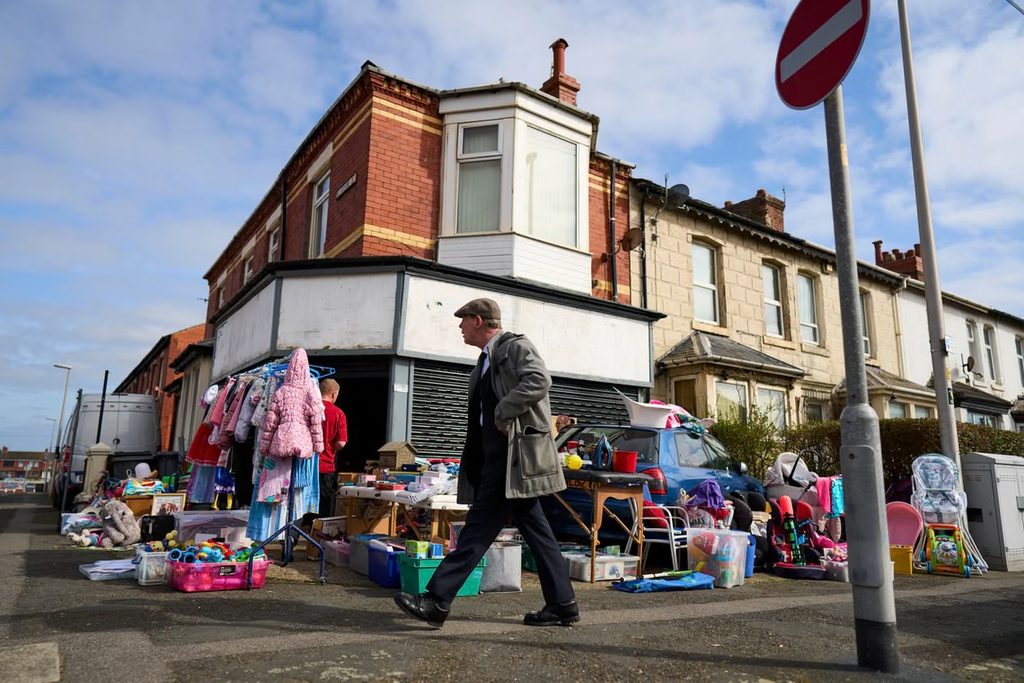
Residents in towns across the United Kingdom are challenging negative descriptions of their communities and arguing that public debate often overlooks local strengths. A report published on October 25 focused on Middlesbrough, where people have pushed back against the idea that it is among the hardest places for children to grow up. The discussion reflects a wider concern about how towns are portrayed in national media and political conversations. Residents say that a place should not be defined only by its economic problems, public service pressures, or the challenges faced by some families.
The image of a town can influence how people outside the area view it. Negative labels may affect tourism, investment, recruitment, and the confidence of young people who live there. When a community is repeatedly described through hardship, residents may feel that their work, culture, and daily achievements are being ignored. Such descriptions can also become self-reinforcing: businesses may hesitate to invest, skilled workers may look elsewhere, and outsiders may assume that there are few opportunities before they have visited.
This does not mean that local problems should be hidden. Many towns face real challenges, including low wages, limited job options, pressure on public services, and concerns about the future of high streets. Families may struggle to find suitable housing or access activities for children. Local leaders need accurate information about these issues to plan improvements. But a balanced picture should also show what residents value, which services work well, and what local groups are doing to improve life in their communities.
Community pride often comes from everyday activity rather than major public projects. Volunteers may run sports clubs, organise cultural events, support older residents, or create safe places for young people to meet. Local businesses can provide jobs and keep streets active. Schools, libraries, arts groups, and community centres may offer support that is not visible to people who only know a town through headlines. These efforts can help build social ties and give residents a stronger sense of belonging.
The way a place is described can also matter to children and teenagers. Young people are forming ideas about their futures, and constant messages that their home area is failing may affect their expectations. A more balanced story can help them recognise both the barriers they face and the opportunities they can create. It should not promise that every problem can be solved quickly, but it can show that local identity is more complex than a single ranking or label.
Improving a town’s reputation also requires practical work. Local authorities may need to improve public spaces, support transport, attract employers, and make sure residents can access education and training. Businesses and community groups can contribute by creating jobs, hosting events, and helping people develop new skills. National government decisions matter too, especially when local services rely on funding from outside the area. A positive image cannot replace investment, but it may help a community communicate its strengths and attract support.
Residents should also have a voice in how their town is presented. People who live in an area understand its daily challenges and its best features. Their views can help journalists, policymakers, and outside organisations avoid simple assumptions. Listening to residents does not mean ignoring criticism; it means making sure that criticism is supported by evidence and that positive changes are recognised as well.
The debate over town identity is therefore about more than public relations. It concerns how people understand opportunity, community, and social progress. A town can face serious problems while still being a place where people build friendships, raise families, create art, and support one another. Recognising both sides gives a clearer picture of local life and can help shape policies that respond to actual needs rather than stereotypes.
UK Gas Standing Charges Set for Major Reform

UK Budget Economic Pressure Shapes Government Plans

Britain EU Industrial Rules Remain Key Issue in Talks

UK Business Financial Distress Reaches a Two Decade High

Slow Construction Threatens Britain’s Housing and Growth Plans
Thousands of British Homes Remain Without Power After Storms