
Slow Construction Threatens Britain’s Housing and Growth Plans
Britain’s efforts to build more homes and improve infrastructure are being held back by high construction costs, planning delays, and difficulty securing finance, according to a report published on Monday, October 26. The problems are raising concerns ahead of the government’s next budget, as ministers seek stronger economic growth and more affordable housing. A regeneration
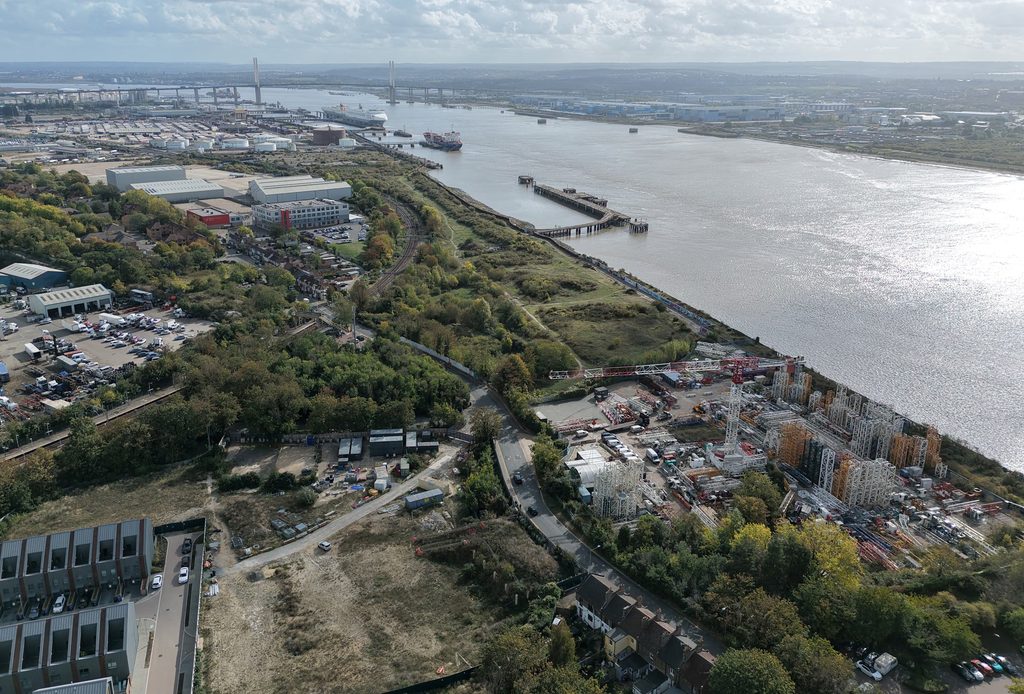
Britain’s efforts to build more homes and improve infrastructure are being held back by high construction costs, planning delays, and difficulty securing finance, according to a report published on Monday, October 26. The problems are raising concerns ahead of the government’s next budget, as ministers seek stronger economic growth and more affordable housing. A regeneration project at Purfleet-on-Thames illustrates the challenge: 17 years after a plan worth £1 billion was announced, only 34 of 3,000 proposed homes had been built.
The slow pace of construction shows how large development plans can fail to translate into finished homes. Projects often require land preparation, transport links, utility connections, environmental reviews, and agreement between developers and public bodies. If one part of the process is delayed, the whole project may struggle to move forward. Financing is another major issue. Developers need confidence that they can cover construction costs and sell or rent properties at prices that make the investment viable.
Construction costs have risen sharply in recent years. The Home Builders Federation estimated that building a home now costs around £76,000 more than it did in 2020. Government policies, regulations, and taxes were said to account for about half of that increase. Higher materials and labour costs can also make projects more expensive, while interest rates affect the cost of borrowing. When expected returns become less attractive, developers may delay work or reduce the number of homes they plan to build.
The problem matters because housing supply affects more than the property market. When homes are scarce in areas with jobs, workers may find it harder to move closer to employment. High rents and house prices can take a large share of household income, leaving less money for other spending. Employers may also struggle to recruit if staff cannot find affordable places to live nearby. Increasing supply can therefore support labour mobility and help businesses attract workers.
Infrastructure projects face similar obstacles. Major roads, transport systems, and public facilities can take years to move from an early proposal to construction. Planning costs can rise as projects face repeated reviews, changing requirements, and legal challenges. Delays can also push costs higher, making the final investment harder to justify. The Lower Thames Crossing, a major road project, took decades to reach the construction stage, showing how lengthy the process can become.
The government has introduced planning reforms intended to make development easier and improve productivity. Such changes could help projects move forward more quickly, but their impact will depend on implementation. Faster approvals alone may not be enough if builders cannot secure finance, materials remain expensive, or demand is too weak to support new homes. A successful approach needs to address several parts of the development process rather than relying on one reform.
The Purfleet project has also highlighted the role of public funding. A review found that the development remained financially constrained and could require £118 million in public support. Public money can help unlock projects that provide wider benefits, but it must be used carefully. Officials need to understand why private investment has not been sufficient and whether public funding will lead to a realistic return through housing, jobs, or infrastructure.
Britain’s construction problem is therefore both a housing issue and a wider economic challenge. New homes and infrastructure can support growth, but prolonged delays reduce the benefits and increase costs. The government will face pressure to show that its reforms can produce actual buildings rather than plans that remain on paper. Progress will depend on planning, finance, construction costs, and a clear division of responsibility between public authorities and private developers.
UK Gas Standing Charges Set for Major Reform

UK Budget Economic Pressure Shapes Government Plans

Britain EU Industrial Rules Remain Key Issue in Talks

UK Business Financial Distress Reaches a Two Decade High

Thousands of British Homes Remain Without Power After Storms

UK Towns Push Back Against a Negative Public Image