
Britain Food Security Warning Raises Fresh Concern
Britain is facing fresh questions over its ability to protect food supplies during a major crisis after experts warned that the government does not have a strong enough plan for future shortages. The warning was published on October 5 and comes as the country faces rising concerns about climate change, supply chain disruptions and geopolitical
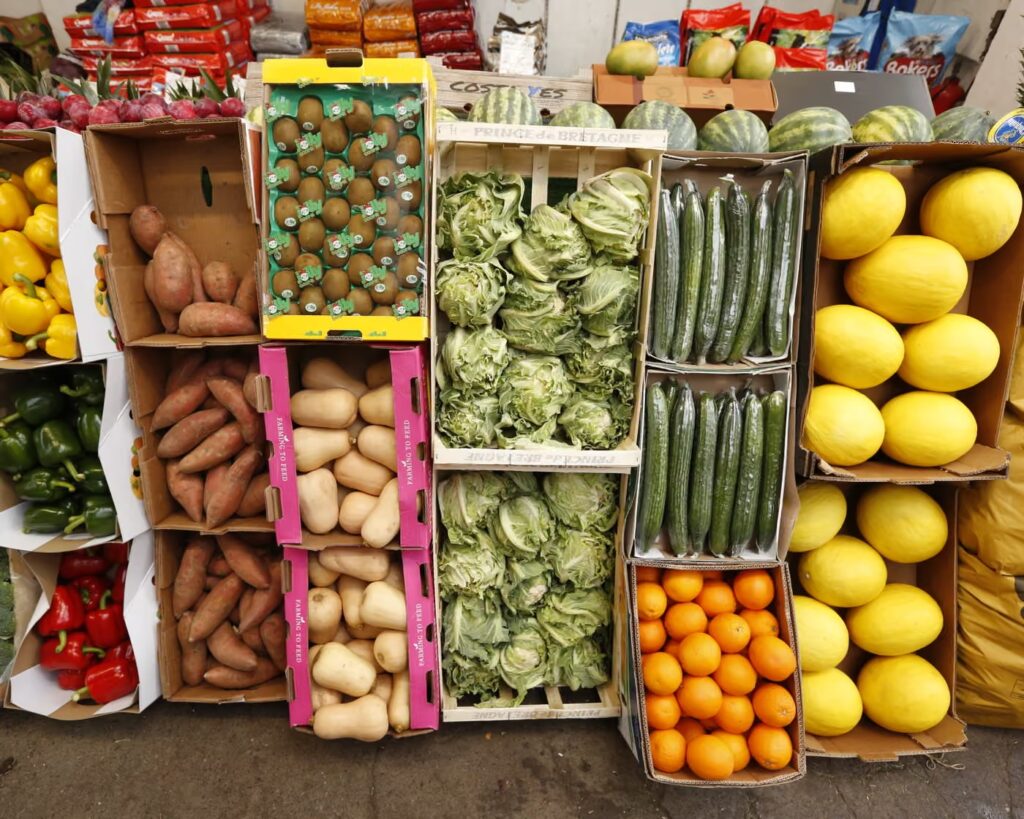
Britain is facing fresh questions over its ability to protect food supplies during a major crisis after experts warned that the government does not have a strong enough plan for future shortages. The warning was published on October 5 and comes as the country faces rising concerns about climate change, supply chain disruptions and geopolitical risks. Experts say Britain needs a clearer national strategy to make sure people can access food during emergencies.
The United Kingdom relies on both domestic agriculture and imports to feed its population. This system normally works through complex supply chains involving farmers, food processors, transport companies, supermarkets and international suppliers. A serious disruption at any point could affect the availability or price of food. Problems could come from extreme weather, conflict, fuel shortages, transport disruption or disease.
Experts say the government has focused on food production and trade but has not developed a detailed plan for how the country would feed people during a major crisis. The concern is not about ordinary shortages but about situations in which several problems happen at the same time. Such an event could put pressure on food supplies and expose weaknesses that are difficult to fix quickly.
Climate change is one of the long-term risks. Extreme heat, droughts, floods and storms can damage crops and reduce agricultural production. Britain is also affected by weather events in other countries because it imports large amounts of food. A crop failure overseas can therefore affect British consumers even when domestic farms are producing normally.
International conflicts can create another risk. War can disrupt shipping routes, raise fuel prices or limit exports from major food-producing regions. Britain depends on global transport networks, meaning disruptions far from the country can eventually affect British supermarkets. Recent energy and geopolitical shocks have shown how quickly international events can influence prices and supply chains.
Farmers also face pressure from rising costs. Energy, fertiliser, machinery and labour all affect the price of producing food. If farmers cannot remain financially viable, domestic production can fall. Maintaining food security therefore requires more than keeping emergency supplies. It also requires a healthy agricultural sector capable of continuing production over many years.
The warning comes as households remain sensitive to food prices. Even when shelves remain full, higher costs can create financial pressure for families. A major shortage could have an even stronger effect, particularly on people with lower incomes. The government would therefore need to consider both physical availability and affordability during a serious crisis.
Food security also involves transport and storage. Britain has limited space for storing large quantities of some fresh products because modern food systems are designed around regular deliveries. Supermarkets receive frequent shipments rather than keeping very large reserves. This system can be efficient under normal conditions but may become vulnerable if transport networks are disrupted.
Experts have called for greater planning across government departments. Food security involves agriculture, health, transport, energy, trade and national security. A problem in one sector can quickly affect the others. A national plan therefore needs cooperation between departments and clear responsibilities before an emergency occurs.
The government also needs to work with businesses. Supermarkets and food companies control much of the supply chain, while farmers and transport firms provide essential services. Emergency planning can be more effective if public authorities and private companies understand what will happen during a crisis and know how they will cooperate.
Britain cannot remove every risk from its food system. The country will continue to rely on international trade, and weather and political events cannot be fully controlled. However, better planning can reduce the impact of disruptions and help authorities respond more quickly.
The October 5 warning therefore highlights a problem that may not be visible during normal times. Food supplies can appear secure while depending on a complex network that is vulnerable to sudden shocks. Experts say the government should prepare for the possibility that several problems could occur together.
The debate is likely to continue as Britain considers its wider national resilience. Protecting food supplies is not only an agricultural issue. It is also connected to national security, economic stability and public health. A clearer strategy could help Britain prepare for future crises before shortages become an emergency.
UK Think Tank Calls for a New Debate on EU Membership

NHS Leader Warns of Possible Maternity Unit Closures

Home Insulation Could Cut UK Energy Costs

Microsoft Withdraws From Delayed UK Data Centre Project

NHS Trusts Question Value of Palantir Data Platform

Russell Brand Trial Continues as Court Hears Evidence
