Burnham says Britain will put national interests first
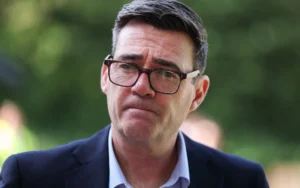
UK Prime Minister Andy Burnham says he is prepared to disagree with US President Donald Trump whenever it is necessary to protect Britain’s national interests. Speaking in his first major interview since taking office, Burnham said his government would always place the country’s priorities first while maintaining strong international relationships. In the interview, Burnham described
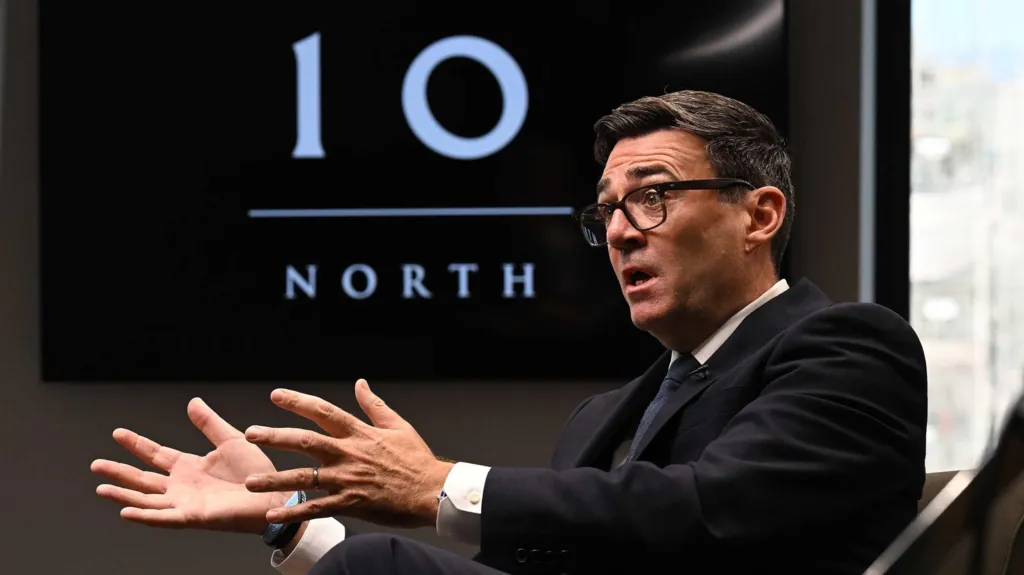
UK Prime Minister Andy Burnham says he is prepared to disagree with US President Donald Trump whenever it is necessary to protect Britain's national interests. Speaking in his first major interview since taking office, Burnham said his government would always place the country's priorities first while maintaining strong international relationships.
In the interview, Burnham described his first conversation with Trump as positive. He said the US president was warm during their initial exchange and that the discussion was constructive.
However, when asked whether he trusted Trump, Burnham did not give a direct answer. Instead, he said the international environment continues to change and leaders must respond to events as they develop.
The prime minister said he could not promise that he would always agree with the US president. He explained that there could be times when Britain and the United States hold different views on important issues.
Burnham said that if he believed a different position was right for Britain, he would express it openly. He added that protecting the country's national interest is the first responsibility of any prime minister.
He said that remaining connected to the public would continue to guide his leadership. According to Burnham, staying close to people's concerns will remain one of his priorities while serving as prime minister.
When asked directly whether he would publicly challenge Trump if necessary, Burnham answered that he would.
He said every prime minister must defend the country's interests above all else. He added that making decisions based on Britain's needs is an essential part of the job.
Burnham also referred to tensions involving Iran. He said he had concerns about the conflict involving the United States and Iran and noted that he would not hesitate to express his views if he believed it was the right course of action.
Alongside foreign policy, the interview also focused on defense spending.
The prime minister did not commit to a specific date for increasing UK defense spending to 3 percent of gross domestic product. The issue has been widely discussed in recent years as European governments review their security priorities.
Burnham acknowledged the importance of strengthening national defense but said the government must first ensure that future investment plans are fully funded.
He said he appointed his new chancellor knowing the importance the official places on defense spending. Burnham explained that both leaders are now working on funding plans ahead of the government's next budget.
When asked again about reaching the 3 percent target, the prime minister said the government must determine the best path to achieve that goal. He did not announce a timetable or provide further financial details.
The interview also addressed domestic politics.
Burnham ruled out the possibility of holding an early general election before 2029. He said the government intends to focus on delivering its program rather than returning voters to the polls before the scheduled election period.
According to Burnham, the public wants the government to concentrate on improving the country rather than preparing for another national election.
He said his priority is to help move Britain forward by addressing the challenges facing the country. He stressed that his administration remains focused on long-term progress and practical solutions.
The interview provided one of Burnham's clearest statements so far on his approach to international relations. While emphasizing the importance of cooperation with allies, he also signaled that his government is prepared to take independent positions when British interests require it.
His comments highlight a foreign policy approach centered on maintaining close partnerships while preserving the ability to make decisions based on the UK's own priorities. The coming months are expected to provide further insight into how the new government balances international cooperation with its domestic and national security objectives.