
Burnham Remarks Renew Debate Over Britain’s EU Future
Britain’s relationship with the European Union returned to the political spotlight after Andy Burnham called for a longer-term discussion about the effects of Brexit. His remarks have raised questions about whether the UK should seek closer ties with the bloc and what changes could realistically be achieved. The debate matters because the relationship affects trade,
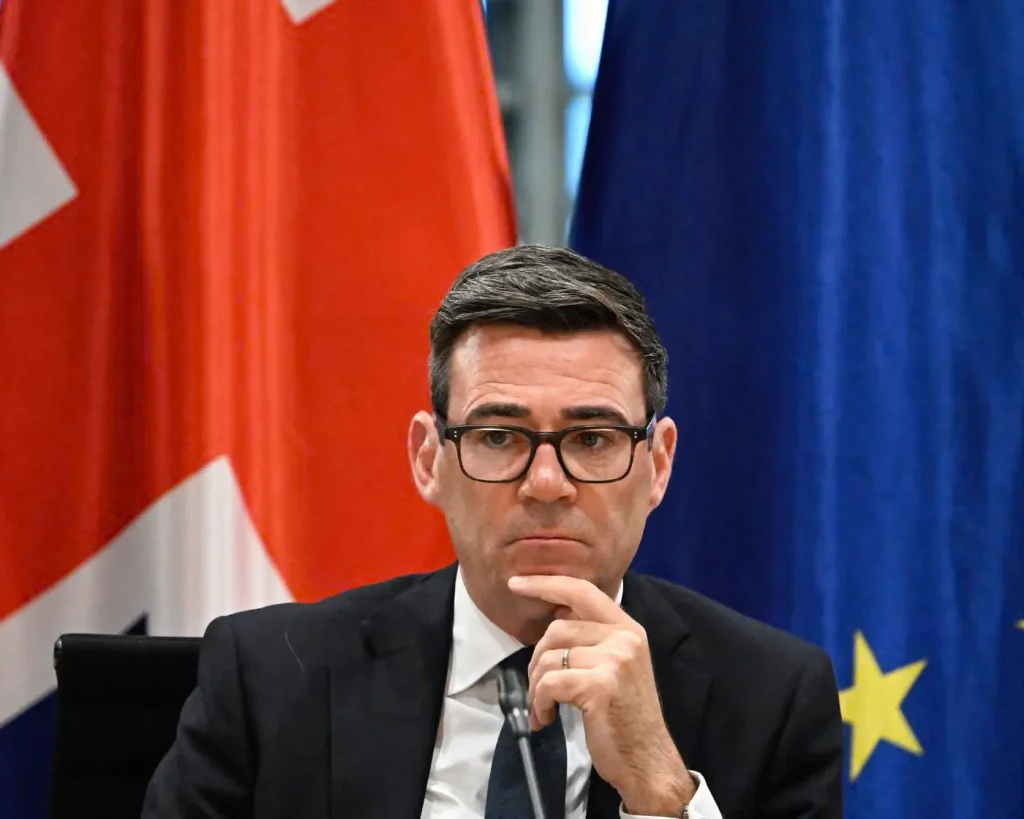
Britain's relationship with the European Union returned to the political spotlight after Andy Burnham called for a longer-term discussion about the effects of Brexit. His remarks have raised questions about whether the UK should seek closer ties with the bloc and what changes could realistically be achieved. The debate matters because the relationship affects trade, employment, travel and cooperation on issues that cross national borders.
Burnham's comments suggest that some political figures want to discuss Brexit in broader terms rather than treating the current arrangement as settled permanently. Supporters of closer ties argue that stronger cooperation could reduce barriers for businesses and improve Britain's ability to work with European partners. They also point to the economic and diplomatic importance of maintaining a stable relationship with nearby countries.
However, a return to EU membership would be a major political decision. It would require a clear public mandate and negotiations over the conditions of membership. It would also reopen disagreements that shaped the 2016 referendum and have influenced British politics for years. Even options that fall short of full membership, such as closer trade arrangements, could involve difficult negotiations and political compromises.
The government has so far faced competing demands over how far it should move toward the EU. Some businesses want fewer barriers to trade, while other groups warn against reopening the Brexit debate. Political leaders must weigh these views against the practical effects of different arrangements. A closer relationship could bring benefits in some areas, but it would also require decisions about rules, responsibilities and the UK's ability to set its own policies.
Public opinion is another important factor. The debate continues as voters assess the economic and political effects of leaving the bloc. However, public views alone do not determine policy. Any government considering a major change would need to explain the proposal, address concerns and show how it would work in practice.
An upcoming UK-EU summit is expected to provide an opportunity for discussions about cooperation, including trade and energy. Such meetings can produce practical agreements without resolving the larger question of membership. Progress may depend on whether both sides can identify shared interests and avoid turning every issue into a wider argument about Brexit.
The renewed discussion also reflects the changing political environment in Britain. Leaders may face pressure to respond to economic concerns and public dissatisfaction, while avoiding promises that cannot be delivered quickly. The debate is likely to continue because the UK's relationship with Europe affects long-term economic planning and national policy.
For now, Burnham's remarks have reopened a question that remains politically sensitive. The immediate focus is likely to be on practical cooperation and the limits of closer ties. Whether the debate eventually leads to a more substantial change will depend on political support, public opinion and the willingness of Britain and the EU to negotiate a workable arrangement.
UK Gas Standing Charges Set for Major Reform
UK Budget Economic Pressure Shapes Government Plans

Britain EU Industrial Rules Remain Key Issue in Talks
UK Business Financial Distress Reaches a Two Decade High

Slow Construction Threatens Britain’s Housing and Growth Plans
Thousands of British Homes Remain Without Power After Storms