
Kanye West’s Poland Concert Cancelled After Legal Pressure
A planned concert by US rapper Kanye West in Poland has been cancelled, according to the venue, marking the latest disruption to his international touring schedule amid ongoing controversy surrounding his past statements and public image. According to Britain Chronicle analysis, the cancellation reflects how cultural events involving high-profile figures are increasingly being shaped not
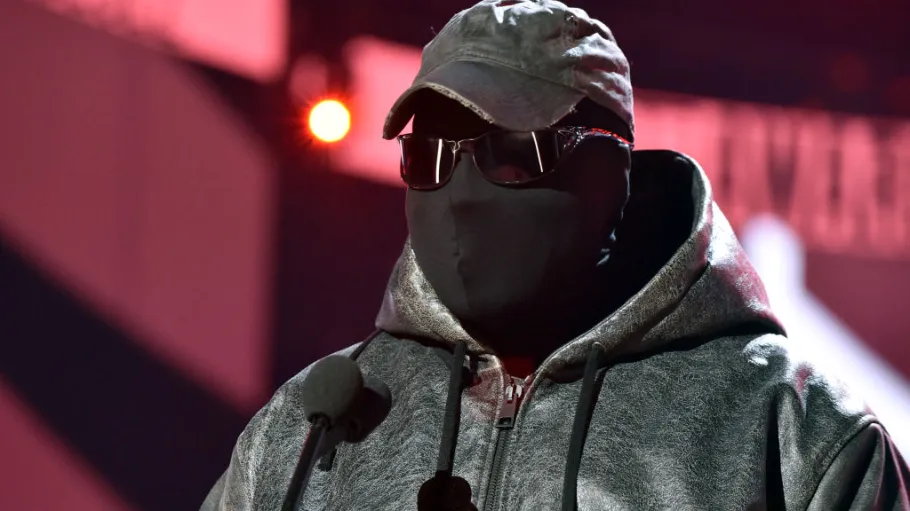
A planned concert by US rapper Kanye West in Poland has been cancelled, according to the venue, marking the latest disruption to his international touring schedule amid ongoing controversy surrounding his past statements and public image.
According to Britain Chronicle analysis, the cancellation reflects how cultural events involving high-profile figures are increasingly being shaped not only by commercial decisions but also by legal, political, and historical sensitivities across Europe.
The decision comes after weeks of growing scrutiny over the proposed performance in Chorzów, where local authorities had already signalled concerns about the event proceeding.
WHAT HAPPENED?
The Silesian Stadium in Chorzów confirmed that Kanye West’s scheduled concert on 19 June 2026 will not take place, citing formal and legal reasons. The announcement was made by stadium director Adam Strzyżewski in a public statement shared on social media.
The cancellation follows earlier reports that the event was under review by Polish authorities, with officials indicating they would seek to prevent the show from going ahead.
The decision also comes shortly after West postponed a separate performance in France and faced restrictions in the United Kingdom, where he was reportedly blocked from entering to headline a festival.
No immediate response was issued by West or his representatives following the cancellation.
WHY THIS MATTERS
The cancellation highlights how reputational issues surrounding global performers can directly impact international touring schedules, particularly in countries with sensitive historical contexts.
In Poland, public debate around the concert intensified due to West’s past controversial statements and the country’s historical experience during the Holocaust. That background has made cultural decisions involving figures linked to extremist rhetoric particularly sensitive for both authorities and institutions.
The case also illustrates how venue operators are increasingly exposed to legal and political pressures when hosting high-profile international events, especially when public reaction is strongly divided.
For the entertainment industry, it reflects a broader shift where artistic bookings are no longer purely commercial decisions but are also influenced by public policy considerations and social responsibility frameworks.
WHAT OFFICIALS ARE SAYING
Polish authorities had already indicated opposition to the concert before the official cancellation. Culture Minister Marta Cienkowska stated that events involving controversial figures cannot be treated as simple entertainment in a country shaped by the legacy of the Holocaust.
Stadium officials described the cancellation as necessary due to formal and legal constraints, though no detailed legal ruling has been publicly outlined.
West has previously apologised for past behaviour, attributing some of his actions to mental health challenges and stating that he had distanced himself from earlier remarks that drew widespread criticism.
Internationally, reactions to his performances have varied. While he has continued to stage concerts in some countries, others, including Australia, have previously restricted his entry or activities following controversy.
BRITAIN CHRONICLE ANALYSIS
The cancellation in Poland underscores a growing reality in global entertainment: cultural legacy and political memory are increasingly influencing who can perform where.
In Europe especially, historical context plays a significant role in shaping public policy and institutional decisions. Events involving figures associated with inflammatory or extremist references face heightened scrutiny, often beyond standard regulatory checks.
This does not only affect individual artists but also reflects a broader tightening of cultural accountability standards across the entertainment sector. Venues and organisers are now expected to weigh reputational risk alongside commercial gain.
At the same time, the situation raises questions about consistency in international booking decisions, as performers with controversial histories continue to appear in some regions while being blocked in others.
The result is an increasingly fragmented global touring landscape, where access is determined as much by political sensitivity as by audience demand.
WHAT HAPPENS NEXT
Attention will now shift to whether further European venues follow Poland’s decision and whether additional cancellations affect Kanye West’s planned tour schedule.
If more countries impose restrictions, the viability of a wider international tour could come under pressure, particularly in regions with strict cultural or legal standards regarding public events.
Event organisers may also face increased scrutiny over vetting procedures for high-profile performers, especially those with histories of public controversy.
For now, the cancellation in Poland signals a clear escalation in how institutions are responding to reputational and historical considerations in live entertainment planning.
Sydney Sweeney Expands Business Push Beyond Hollywood

National Theatre signs Europe cinema deal with Pom

Revolve Festival 2026 Draws Stars to Desert Style Event

Royal Stylists Reveal Queen’s Hidden Clothing Rule
Maya Jama Stuns in Bold Cutout Rimmel Campaign Look

Christina Aguilera Stuns in Daring Micro Shorts Ad Campaign