
NHS Consultants Prepare For Weekend Strike Action
Senior NHS consultants across England are preparing for strike action beginning this weekend, with walkouts scheduled for September 19 and 20 marking the latest escalation in an ongoing pay dispute with the government. The action will see junior doctors, now officially known as resident doctors, join consultants on the second day of the strike, creating
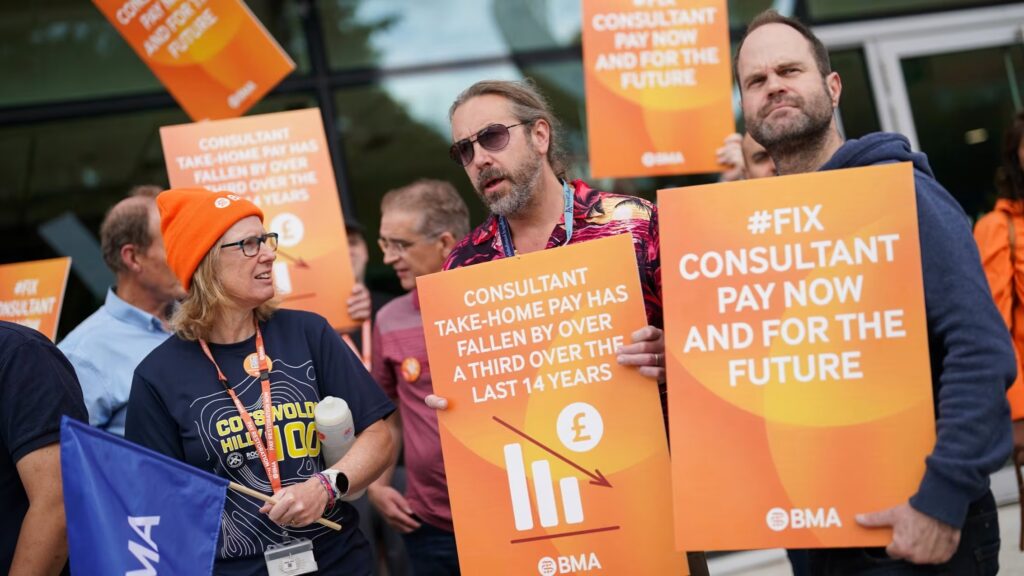
Senior NHS consultants across England are preparing for strike action beginning this weekend, with walkouts scheduled for September 19 and 20 marking the latest escalation in an ongoing pay dispute with the government. The action will see junior doctors, now officially known as resident doctors, join consultants on the second day of the strike, creating a combined walkout that hospitals across the country are actively preparing to manage.
Royal College guidance issued ahead of the strike has confirmed that hospitals will implement what are commonly described as Christmas Day levels of cover on the days when both consultants and resident doctors are striking simultaneously, including this weekend's September 20 overlap and a further combined action planned for October 2 through 5. That reduced staffing model prioritizes maternity services and genuine emergencies while postponing elective procedures and non urgent appointments.
The dispute centers on longstanding disagreements over pay, working conditions, and broader workforce pressures that have accumulated across the NHS in recent years. Consultants have argued that any resolution requires the government to demonstrate genuine willingness to negotiate rather than treating the dispute as something that will simply fade away without meaningful engagement, with union representatives stressing their readiness to continue regular industrial action until real progress emerges.
This latest round of strikes follows an extended and complex pattern of NHS labor disputes that has played out across multiple staff groups over recent years. Resident doctors previously staged a four day walkout earlier this year, part of what has become one of the longest running public sector pay disputes in recent British history, with disagreements over appropriate compensation levels for junior medical staff proving particularly difficult to resolve despite repeated rounds of negotiation.
Patient safety organizations and professional bodies have consistently emphasized that while they respect the right of healthcare workers to take industrial action, the cumulative impact of repeated strikes creates genuine strain for patients awaiting both routine and more urgent care. The Royal College of Obstetricians and Gynaecologists specifically urged pregnant women with health concerns not to hesitate contacting their maternity units during the strike period, given the particular sensitivity of care needs within that specialty.
NHS trusts across England have spent recent weeks finalizing contingency staffing plans, working to ensure emergency departments, intensive care units, and maternity services continue operating at safe levels even as many other services scale back significantly during the walkout periods. Hospital administrators have advised patients with existing non urgent appointments to expect potential postponements, while stressing that anyone experiencing a genuine medical emergency should continue seeking care as normal.
The broader financial and workforce pressures underpinning this dispute reflect challenges that have built across the NHS for years, including recruitment difficulties, retention concerns, and debates over how training places and career progression opportunities are structured for early career doctors. Government officials have pointed to previous commitments including additional specialty training places as evidence of good faith engagement, even as unions maintain that current offers remain insufficient to address underlying concerns.
As this weekend's strike approaches, attention will focus on how effectively contingency plans hold up under the combined pressure of consultants and resident doctors striking simultaneously, while the broader question of whether this action finally prompts a breakthrough in stalled negotiations remains genuinely uncertain given the pattern of previous rounds failing to produce lasting resolution.