
NHS Home Tests Expand Cervical Cancer Screening UK
The NHS has started a new home testing service for cervical cancer in England. Nearly four million women will be offered a free HPV self test if they have missed earlier screening invitations. The national rollout began on 25 August. The new test is designed to make screening easier. People who are invited can collect
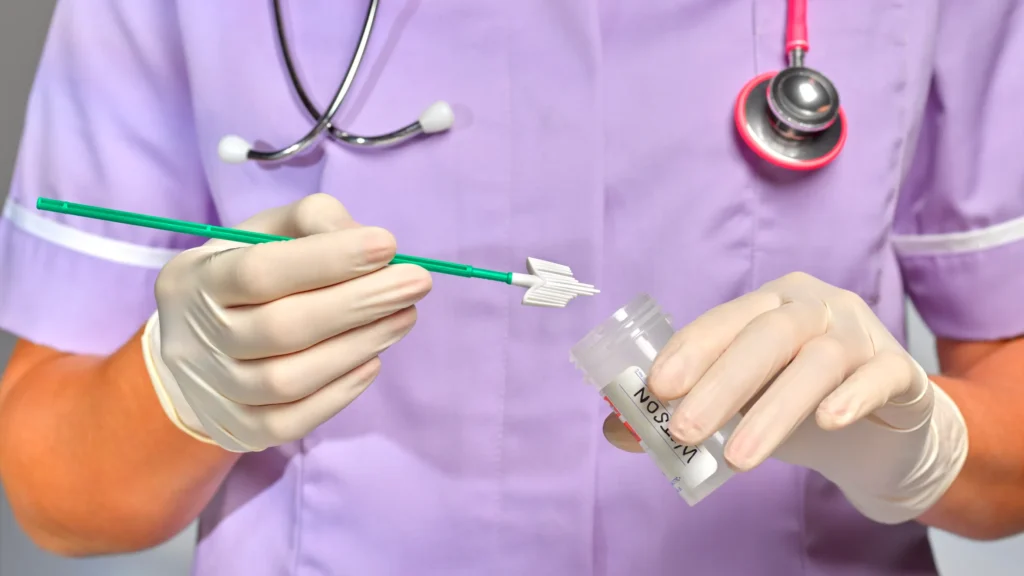
The NHS has started a new home testing service for cervical cancer in England. Nearly four million women will be offered a free HPV self test if they have missed earlier screening invitations. The national rollout began on 25 August.
The new test is designed to make screening easier. People who are invited can collect a sample at home with a simple swab. They can then send the sample to an NHS lab by post. The lab checks the sample for high risk human papillomavirus, known as HPV.
HPV is a very common virus. Most infections clear without causing serious harm. Some high risk types can cause changes in cells in the cervix. If these changes are not found and treated, they can lead to cervical cancer.
The new service is aimed at people who have not attended screening after an invitation. The first group will include eligible people aged 30 to 65. Invitations will be sent through the NHS App, text message, email or post.
The home kit is not a full replacement for every part of cervical screening. If a sample shows high risk HPV, the person will be asked to attend a clinic. A nurse or doctor will then take a cervical sample to check for cell changes.
The NHS says the new option could help people who find clinic visits hard. Some may worry about pain or feel embarrassed about the test. Others may have work, travel or care duties that make an appointment difficult. A home test gives them another way to take part.
The change comes as England tries to improve cervical screening rates. Recent NHS figures show that only about 68.8% of eligible women are up to date. The target is 80%. Officials hope the home option will help close that gap.
The programme is also linked to a wider NHS goal. The health service wants to eliminate cervical cancer as a public health problem by 2040. Better screening is a key part of that plan.
Research before the national rollout found that self testing could bring more people into screening. Earlier work suggested that more than 400,000 extra people in England could take part each year if home testing was offered to those who were overdue.
The home test also gives people more control over where they take the first step. The swab is designed to be used by the person at home. Instructions are included with the kit. The sample can then be returned without a visit to a GP surgery.
Health experts say people should still take part in the normal screening process when invited. A home HPV test can find the virus, but a follow up clinic test is needed when HPV is found. This helps doctors check for cell changes that may need care.
The rollout is taking place in phases. Not everyone will receive a kit at once. People must first receive an invitation before they can order the free test.
The NHS move is part of a wider effort to shift health care toward prevention. Finding HPV early can help prevent cervical cancer before it develops. Screening can also find problems early, when treatment is often easier.
For many people, the biggest change may be convenience. A short home test can remove some of the barriers linked to clinic visits. The NHS hopes this will lead more people to complete screening.
The new programme does not remove the need for medical care. It adds another route into the screening system. For those who receive an invitation, the aim is simple: make testing easier, find risk earlier and help prevent more cases of cervical cancer.
The service may be especially useful for people who have delayed screening for several years. A simple home option may make it easier to act when a new invitation arrives.
Officials also stress that screening is not a test for every health problem. People with symptoms should seek medical advice rather than wait for a screening invitation. The new programme is meant for people who are invited to take part.