UK Clears Paramount Warner Bros Deal
The UK clears media merger deal between two major entertainment giants. British regulators have approved a huge tie up between Paramount and Warner Bros. The deal is reported to be worth roughly one hundred ten billion dollars. It ranks among the largest media mergers seen in recent years. Regulators studied the deal for months before
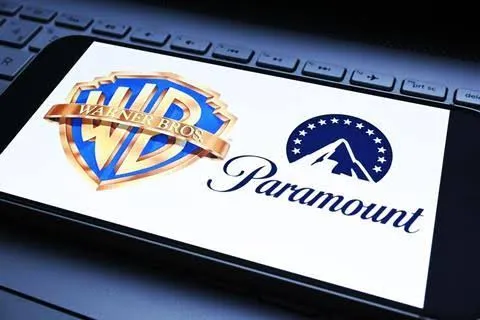
The UK clears media merger deal between two major entertainment giants. British regulators have approved a huge tie up between Paramount and Warner Bros. The deal is reported to be worth roughly one hundred ten billion dollars. It ranks among the largest media mergers seen in recent years.
Regulators studied the deal for months before giving their final decision. They looked closely at how the merger could affect competition in film, television, and streaming markets. Officials wanted to make sure the combined company would not gain too much power over pricing or content access for British viewers.
In the end, UK authorities decided the deal could proceed. They likely attached certain conditions to protect fair competition, as is common in mergers of this size. Officials often require companies to keep certain content available to rival platforms or to avoid unfair bundling practices that could hurt smaller competitors.
The merger brings together two storied names in entertainment history. Paramount has produced decades of film and television content watched worldwide. Warner Bros carries a similarly deep catalog, spanning classic films, hit franchises, and a major streaming service. Combining these libraries creates one of the largest content owners on the planet.
Industry watchers say the deal reflects wider pressure across the streaming business. Many media companies have struggled to turn steady profits from streaming alone. Combining forces lets firms cut costs, share technology, and offer bigger content libraries to attract subscribers. Analysts expect more mergers of this kind as the industry keeps consolidating.
British creative workers have mixed feelings about the news. Some worry that mergers like this could mean fewer jobs, as combined companies often look to cut overlapping roles. Others see opportunity, arguing that a larger, better funded studio group could invest more in big budget UK productions and local hiring.
The deal also carries weight beyond Britain's borders. Regulators in the United States and other major markets are reviewing the same merger separately. Approval in one country does not guarantee approval everywhere else. Global media deals of this size usually need a green light from several regulators before they can fully close.
Consumer groups say they will watch closely for any price changes once the merger completes. Streaming subscription costs have already risen steadily in recent years. Combining two major platforms could either ease costs through efficiency or raise them if competition drops. Officials say they will keep monitoring the market after the deal closes.
For now, the British green light marks a major milestone for the companies involved. Executives on both sides have said they expect the deal to bring stronger, more competitive content offerings for viewers. Whether that promise holds true will likely become clearer only after the newly combined company begins operating fully across British and global markets in the months ahead.
Film production hubs across the UK are watching the merger with particular interest. Studios in London and other cities have hosted major productions tied to both companies over the years. Industry figures hope the newly merged group will keep investing in British based filming, given the strong facilities and skilled crews already established across the country's growing production sector.
Smaller streaming rivals have voiced quiet concern about the deal's long term impact on competition. A combined library of this size could make it harder for smaller platforms to negotiate fair licensing terms for popular shows and films. Regulators have said they will keep watching how the merged company treats rival platforms once the deal fully closes, with power to intervene again if unfair practices emerge later.
Shareholders in both companies welcomed the British approval as a positive signal ahead of decisions still pending in other major markets. Financial analysts said clearing a market as significant as the UK removes one meaningful hurdle from the path toward a fully completed deal. Attention now shifts to remaining regulatory reviews elsewhere, which will ultimately determine when the merger can close in full.