
US Deficit Edges Higher as War Spending Lags Impact
The United States recorded a modest rise in its March budget deficit, which increased to $164 billion as higher tax refunds and agricultural support payments pushed federal outlays upward. According to Britain Chronicle analysis, the figures highlight a transitional moment in fiscal data, where delayed war-related spending and shifting tariff revenues are masking the full
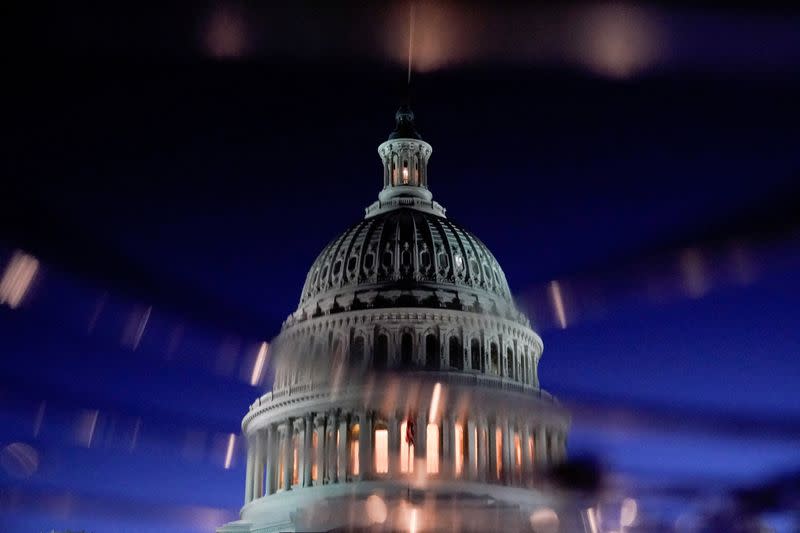
The United States recorded a modest rise in its March budget deficit, which increased to $164 billion as higher tax refunds and agricultural support payments pushed federal outlays upward.
According to Britain Chronicle analysis, the figures highlight a transitional moment in fiscal data, where delayed war-related spending and shifting tariff revenues are masking the full impact of recent policy changes.
The report comes as policymakers face overlapping pressures from military commitments abroad, evolving trade measures, and ongoing debates over fiscal sustainability.
What Happened?
The U.S. Treasury reported that the federal budget deficit rose by $4 billion, or 2%, compared with the same period a year earlier, reaching $164 billion in March.
Total federal receipts stood at $385 billion, up 5% year-on-year, while government spending increased to $549 billion, a 4% rise over March of the previous year.
A key driver of higher outlays was increased tax refunds linked to recent individual and corporate tax adjustments, along with expanded relief payments to the agricultural sector.
At the same time, defense spending linked to ongoing military activity involving Iran showed only a limited immediate increase. Military and defense program outlays rose by $2 billion to $65 billion during the first month of the conflict.
Officials noted that many war-related expenditures, including the replenishment of weapons stockpiles, are expected to appear in future months rather than in current data.
Customs revenue also declined from February levels, falling to $22.2 billion, reflecting changes following legal adjustments to previously imposed tariff structures.
Why This Matters
The figures underline how timing differences in federal accounting can significantly distort short-term fiscal trends. Delayed military spending and staggered tax refund cycles mean the full budgetary impact of policy decisions is not immediately visible.
They also reflect the growing sensitivity of federal finances to external shocks, including geopolitical conflict and shifting trade enforcement mechanisms.
Even modest changes in customs revenue and tax policy can produce noticeable effects on monthly deficit readings, particularly when combined with irregular spending patterns.
The data also highlights the continued pressure on federal budgets as both mandatory and discretionary spending categories trend upward.
What Analysts or Officials Are Saying
Treasury officials emphasized that the current figures should be interpreted cautiously due to timing adjustments and delayed reporting structures for certain spending categories.
They noted that war-related expenditures are expected to increase in subsequent months, particularly as procurement and replenishment costs are recorded.
Economists observing the data point out that customs revenue fluctuations are being influenced by recent legal changes affecting tariff enforcement, which have reduced short-term predictability in trade-related income.
Some analysts also warn that the apparent stability in the deficit may not persist once delayed defense spending and broader fiscal effects fully enter the reporting cycle.
Britain Chronicle Analysis
The March budget data illustrates a familiar challenge in fiscal interpretation: headline stability often masks underlying volatility.
While the deficit appears only slightly higher, the structure of spending suggests future upward pressure as delayed military costs and policy-driven adjustments filter through the system.
The reliance on timing differences—whether in tax refunds, defense procurement, or customs receipts—means monthly figures are increasingly poor indicators of real fiscal direction.
More broadly, the data reflects a federal budget operating under multiple competing pressures, where geopolitical commitments, domestic tax policy, and trade enforcement are all influencing outcomes simultaneously.
For policymakers, the key issue is not the current deficit level, but the trajectory once deferred obligations are fully accounted for in future months.
What Happens Next
Future Treasury reports are expected to show a clearer picture of war-related spending as procurement and replacement costs begin to appear in official accounts.
Attention will also focus on customs revenue trends following legal changes to tariff enforcement, which may continue to affect federal income streams.
Economists will be watching whether tax refund dynamics and agricultural support payments remain elevated or normalize over the coming fiscal period.
Overall, the next few months will be critical in determining whether March represented a temporary accounting phase or the beginning of a broader upward shift in the U.S. fiscal deficit trajectory.
High-Speed Robot Palletizers Revolutionize Industrial Efficiency

European Flight Cancellations Mount: What Travelers Need to Know

Blue Origin New Glenn Reuse: Milestone Achieved, Payload Lost

European Travel Fuel Crisis: Summer Vacations Under Threat

Vodafone Incentivized Staff for Franchisee Fines, Lawsuit Alleges

Europe Faces Renewed Fuel Price Protests Amid Energy Rise