
Macron Joins King Charles At Bayeux
Macron King Charles Bayeux Tapestry viewing took place away from the public eye this week. French President Emmanuel Macron and his wife Brigitte joined King Charles and Queen Camilla for a private look at the famous artwork. The quiet gathering highlighted warm ties between the two nations at a personal level. The Bayeux Tapestry stands
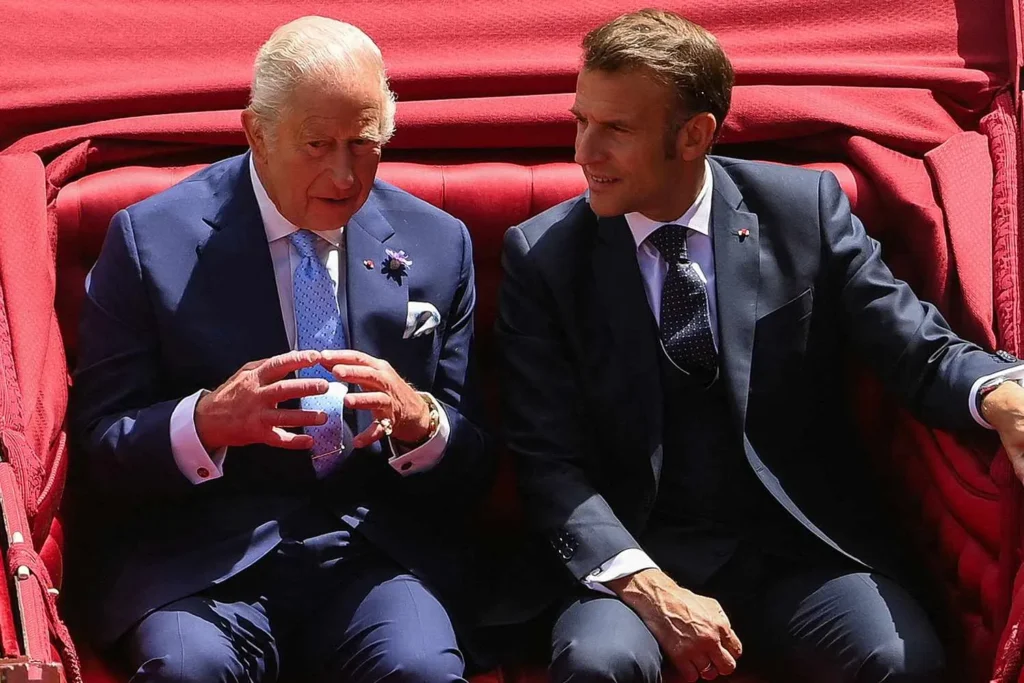
Macron King Charles Bayeux Tapestry viewing took place away from the public eye this week. French President Emmanuel Macron and his wife Brigitte joined King Charles and Queen Camilla for a private look at the famous artwork. The quiet gathering highlighted warm ties between the two nations at a personal level.
The Bayeux Tapestry stands as one of the most famous historical artworks in Europe. It stretches nearly seventy meters long and tells the story of the Norman conquest of England. Skilled hands stitched the piece almost a thousand years ago. It remains a shared touchstone for both French and British history classes today.
The tapestry usually stays on display in the town of Bayeux in northern France. Its age and fragile threads mean it rarely travels far from its usual home. Special private viewings like this one are rare and often reserved for state visits or important cultural moments between close allied nations.
Royal watchers said the joint viewing carried real symbolic weight. Both nations have shared a long, sometimes complicated history stretching back centuries. The tapestry itself depicts a moment of conflict between the two lands from ancient times. Viewing it together today signals how far relations have grown since that distant era.
Officials have not released many details about what was discussed during the private moment. Such visits often include quiet conversation about shared history, culture, and current ties between the countries. Aides on both sides described the mood as warm and relaxed, away from the usual formality of larger state events.
This is not the first time French and British leaders have marked their bond through shared cultural moments. State visits often include stops at museums, historic sites, or cultural landmarks tied to both nations. Officials say such visits help strengthen personal relationships between leaders, which can support smoother cooperation on political and economic matters too.
The visit comes at a time when both countries face their own domestic pressures. France continues to navigate a tense political and budget situation at home. Britain faces its own economic and social challenges. Analysts say strong personal ties between leaders can sometimes help smooth over friction when official government to government talks grow difficult.
Cultural experts welcomed the renewed attention on the tapestry itself. Interest in historical artifacts often rises after high profile visits like this one. Museum officials in Bayeux said they expect a small rise in visitor numbers following news of the royal and presidential viewing. They hope it encourages younger visitors to learn more about the artwork's deep history.
For many observers, the private viewing offered a rare glimpse of warmth between two historically rival nations. Formal politics often dominates headlines about France and Britain. This quieter, more personal moment reminded many that shared culture can also bring nations closer together, even during periods when politics between them proves far more complicated than a shared afternoon with old stitched threads.
Historians have long studied the tapestry for clues about medieval life beyond just the famous battle scenes it depicts. Its detailed stitching shows clothing, ships, and daily tools used by people living centuries ago. Scholars say each private viewing by notable guests tends to renew public curiosity about these smaller details, not just the well known conquest story most people already associate with the artwork.
Security around the event stayed tight given the high profile guests involved. Local officials in Bayeux worked closely with national security teams from both countries to keep the visit private and safe. Residents in the town said they noticed extra vehicles and staff in the area but otherwise experienced little disruption to their normal daily routines during the short visit.
Cultural officials on both sides say they hope this visit encourages future joint projects tied to shared heritage sites. Ideas floated in past years have included joint restoration funding and expanded educational exchanges for students studying medieval history. Whether any such projects move forward remains to be seen, but officials describe the mood after this visit as genuinely optimistic about deeper cultural cooperation ahead.