Burnham Warns UN Of Russian Disinformation Threats
British Prime Minister Andy Burnham has warned world leaders about the threat posed by hostile information campaigns and announced plans for a new UK unit designed to detect and disrupt state-backed attacks. Burnham made the comments during his speech at the United Nations General Assembly in New York. His address came only hours after his
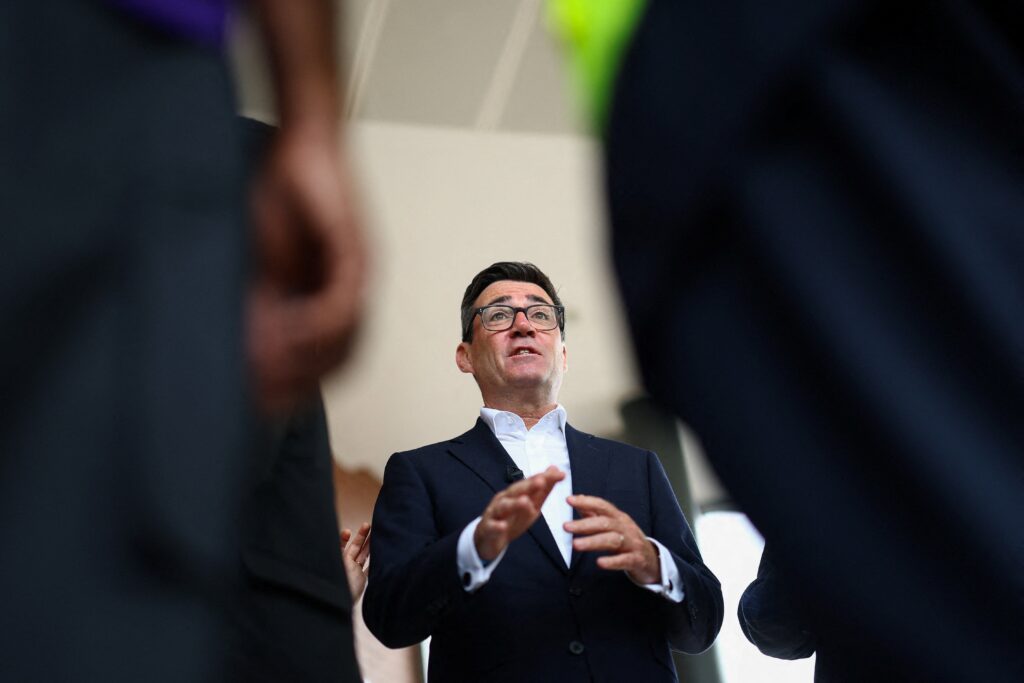
British Prime Minister Andy Burnham has warned world leaders about the threat posed by hostile information campaigns and announced plans for a new UK unit designed to detect and disrupt state-backed attacks. Burnham made the comments during his speech at the United Nations General Assembly in New York. His address came only hours after his first face-to-face meeting with US President Donald Trump.
The prime minister said hostile states were increasingly using information as a tool of international competition. He argued that governments needed stronger systems to identify false information and protect public institutions. The new British unit will focus on detecting and disrupting information attacks and is expected to work across government and with international partners.
Russia was a major focus of Burnham's comments. Britain has accused Moscow of using disinformation and influence operations to affect public opinion in Western countries. The issue has become more important since Russia's invasion of Ukraine, with European governments increasing efforts to identify false information and foreign influence campaigns. Burnham's announcement comes as Britain seeks closer cooperation with the United States and other allies.
The UK government is also developing an AI defence partnership with Washington. Artificial intelligence is increasingly being used in military systems and information operations, while Burnham said Britain wanted to play a leading role in international discussions about AI standards. The government believes that setting common rules could reduce some risks linked to rapidly developing technology.
AI can be used to create convincing images, videos and written material, making it harder for the public to distinguish genuine information from fabricated content. Governments are therefore examining how to protect elections, public institutions and national security. Britain has experience dealing with foreign influence campaigns, as security agencies have previously warned about attempts to manipulate political debates and target sensitive information. The new unit announced by Burnham is intended to strengthen Britain's response.
The prime minister's UN speech also focused on international security. He said Britain would continue to work with allies on Ukraine and other conflicts. Burnham's first meeting with Trump was also important for Britain's foreign policy, with the two leaders discussing Ukraine, trade, immigration and the Falkland Islands. Despite disagreements on some issues, both sides described the meeting as positive.
The UK-US relationship remains central to British foreign policy, with the two countries cooperating closely on defence, intelligence and international security. The planned AI partnership could become another part of that relationship. The technology has implications for both military planning and civilian life, while governments are increasingly concerned about autonomous systems, cyberattacks and the spread of synthetic media. Burnham's UN speech placed these issues within a wider discussion about international security.
The new British unit will have to work with existing government agencies. Its effectiveness will depend on how quickly it can identify campaigns and how effectively it can coordinate a response. The government has not suggested that every controversial piece of information is foreign disinformation. Instead, the focus is on identifying coordinated hostile activity linked to states.
This distinction is important because freedom of expression remains protected in Britain. The government will therefore need to balance security measures with protections for legitimate political debate and journalism. Burnham's speech also reflects Britain's effort to strengthen its international role under the new government, with the UK seeking to work with allies while presenting itself as a major European security power.
The United Nations provides an important platform for that message. The September 23 announcement means Britain's approach to information warfare and AI security will now receive greater international attention. The government is expected to provide more details about the new unit and its responsibilities as the plan develops.
For Britain, the issue is increasingly connected to national security because information attacks can affect public trust, political debate and the ability of governments to communicate during crises. The UK says it wants to work with international partners to address the threat. Burnham's UN speech therefore combined foreign policy with technology and national security, while the new response unit is expected to become part of Britain's broader effort to protect public institutions from hostile information campaigns.