
UK defence bank plan split over spending row
A private push by former UK Defence Secretary John Healey to join a global defence funding bank has triggered debate inside the British government over how to finance rising military costs. Healey reportedly supported the idea of the UK joining the Defence, Security and Resilience Bank (DSRB), a proposed international investment bank designed to help
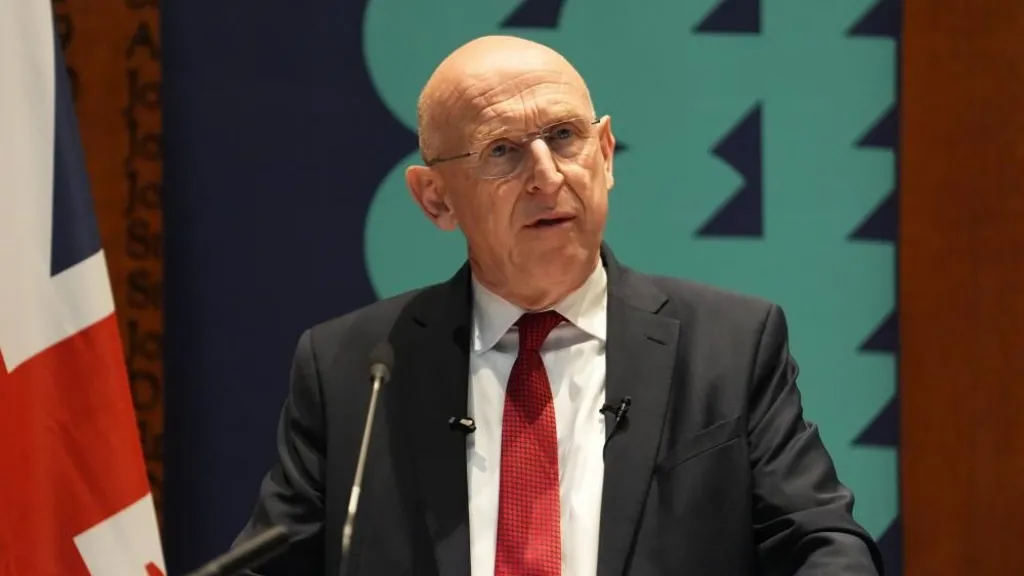
A private push by former UK Defence Secretary John Healey to join a global defence funding bank has triggered debate inside the British government over how to finance rising military costs.
Healey reportedly supported the idea of the UK joining the Defence, Security and Resilience Bank (DSRB), a proposed international investment bank designed to help countries fund defence projects at lower borrowing costs. The idea is led by Canada and is expected to be officially launched at a NATO summit next month.
The proposal would require member countries to make an upfront contribution of around £870 million. Supporters say this money would help unlock cheaper loans for defence spending and improve funding for military projects across allied nations.
However, sources suggest the UK Treasury resisted the plan. Allies of Healey claim officials in the Treasury tried to end discussions about joining the bank. Government insiders say the Chancellor preferred alternative funding routes instead of committing to the Canadian-backed scheme.
The debate comes at a sensitive time for UK defence policy. Healey stepped down from his role as Defence Secretary on Wednesday. In his resignation letter, he said current defence funding plans fell “well short” of what was needed. He also argued that international cooperation could help close the funding gap.
Healey believed joining the DSRB could support both military needs and British defence companies. He also said it could help the UK access cheaper long-term financing for major defence projects.
Treasury sources say Chancellor Rachel Reeves has been exploring other options, including discussions with Poland on a separate “multi-lateral defence mechanism.” Officials say the government is still reviewing different models for international defence financing.
The DSRB idea has gained support from Canadian Prime Minister Mark Carney, who has promoted the project internationally. He has encouraged the UK to take part, arguing that shared financing tools could strengthen NATO defence readiness.
The bank would aim to support member countries by offering low-cost lending for defence projects. It would also provide credit guarantees to commercial banks that lend to defence companies. Supporters say this could help smaller defence firms grow and improve supply chains across allied countries.
However, not all officials in Whitehall are convinced. Some concerns have been raised that the system may benefit smaller economies more than larger, higher-rated borrowers like the UK. Critics also question whether the upfront contribution is worth the long-term return.
One defence-focused Labour MP group has been lobbying ministers to take the idea more seriously. They argue that new financial tools are needed as defence spending pressures increase across Europe.
There is also disagreement over how the initial payment would be funded. Some supporters say the UK would need to borrow money to cover the entry cost. However, Chancellor Reeves has recently signalled she is not in favour of increasing borrowing to fund higher defence spending.
Prime Minister Sir Keir Starmer has acknowledged the challenge of balancing defence needs with budget limits. He told the BBC that “hard-edged choices” were being made, including spending cuts across departments to support defence priorities.
The government’s wider Defence Investment Plan has not yet been officially released. Reports suggest around £10 billion in extra funding is being considered, although military leaders are believed to have requested significantly more.
Behind the scenes, officials say discussions about international defence financing will continue as governments prepare for upcoming NATO meetings. The DSRB is expected to be one of several models discussed as allies look for new ways to fund long-term security commitments.
For now, the UK’s position remains uncertain. While some within government see the proposed defence bank as a way to ease financial pressure and support industry growth, others remain cautious about costs and risks.
The debate highlights a wider challenge facing NATO members: how to increase defence spending at a time of tight national budgets and rising global security demands.