Burnham Faces Political Pressure During Commons Questions
British Prime Minister Andy Burnham faced questions on national security, energy policy and social care during Prime Minister’s Questions on Wednesday, October 14. The session brought several political disputes into focus, including disagreements over alleged Russian interference in British democracy and the government’s approach to major energy projects. The Guardian’s live coverage also reported that
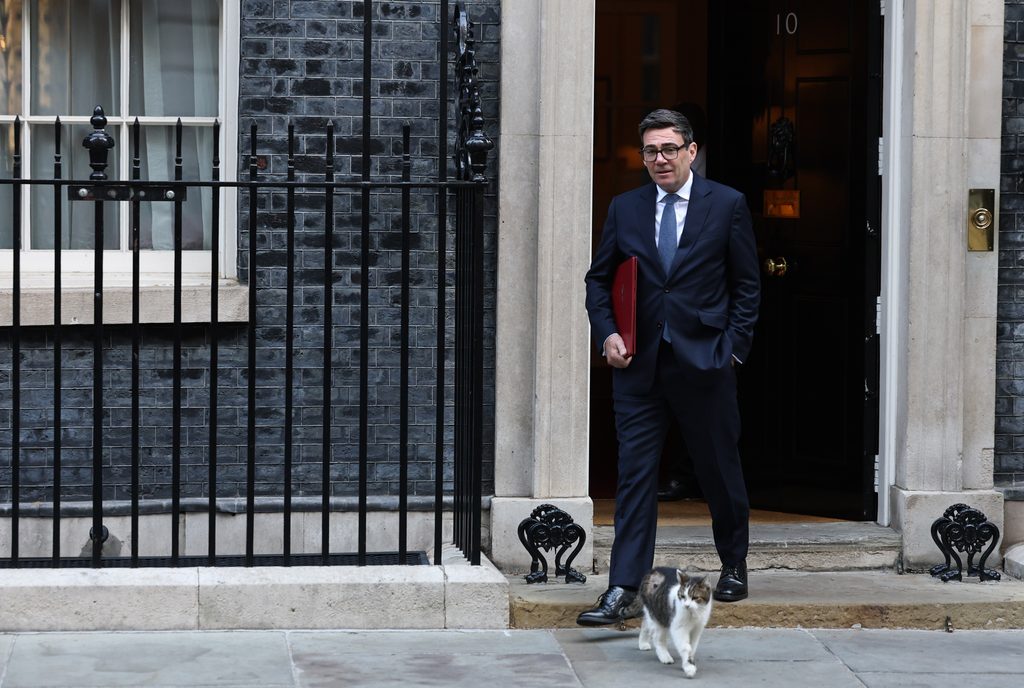
British Prime Minister Andy Burnham faced questions on national security, energy policy and social care during Prime Minister's Questions on Wednesday, October 14. The session brought several political disputes into focus, including disagreements over alleged Russian interference in British democracy and the government's approach to major energy projects. The Guardian's live coverage also reported that Burnham planned further cross-party discussions on social care reform.
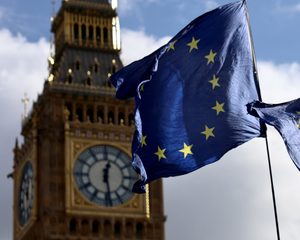
Opposition leader Kemi Badenoch challenged Burnham over his remarks about foreign interference in the 2016 Brexit referendum. Badenoch argued that his comments risked undermining public confidence and raised questions about national security. Burnham rejected her criticism and said Britain should be clear about the role that outside actors may have played in democratic processes. He argued that discussing foreign interference was necessary to understand past events and protect the country's institutions.
The exchange reflected a wider political challenge: how to discuss threats to democracy without turning intelligence questions into partisan arguments. Foreign interference can involve online influence campaigns, disinformation and other efforts to shape public debate. Governments must be able to investigate and explain such risks while avoiding claims that go beyond the available evidence. Public confidence depends on accurate information and a clear distinction between verified findings and political interpretation.
Burnham also faced questions about energy decisions and the pace of government action. Energy policy has become a major issue because it affects household bills, industrial costs and the country's long-term climate goals. Businesses want predictable rules for investment, while households want affordable and reliable energy. Political leaders must balance those concerns with the need to maintain supply and reduce exposure to volatile international markets.
Social care reform was another subject during the session. Burnham said he intended to organise further cross-party discussions, potentially within the next month. Social care has long been a difficult policy issue because demand is increasing while funding, staffing and the division of responsibilities between public services remain contested. Reform may require agreement across parties, local authorities, care providers and families who depend on support.
The live coverage also highlighted UK support for Ukraine. Burnham was due to meet Ukrainian President Volodymyr Zelenskyy and signal continued British backing, including an accelerated delivery of anti-drone missiles. The commitment comes amid ongoing concern about Russia's war and the security needs of Ukraine. British support has included military assistance, diplomatic backing and cooperation with European partners.
Another dispute concerned the Chagos Islands and comments by Reform UK leader Nigel Farage about the territory's future. The issue has broader implications for Britain's relationship with Mauritius and the United States, including the strategic role of the Diego Garcia military base. Different political parties have offered contrasting positions, turning the issue into another point of disagreement over foreign policy.
The session showed how a range of domestic and international issues can collide in a single parliamentary debate. Opposition parties sought to question the government's judgment, while Burnham used the session to defend his position and signal future action. The practical test will be whether the government can turn its statements into policies that address public concerns.
For voters, the issues raised at PMQs matter because they touch on national security, household costs, public services and Britain's international role. The debate will continue beyond the chamber, but clear evidence, practical plans and sustained cooperation will be needed to move these disputes toward solutions.