
UK Property Market Slows as Rentals Drop UK
The UK property market is showing signs of weakness again. A new survey shows that housing activity stayed low last month. There is still some small sign that buyers may be slowly returning. But overall demand remains weak and uncertain. The latest update comes from a survey by the Royal Institution of Chartered Surveyors. It
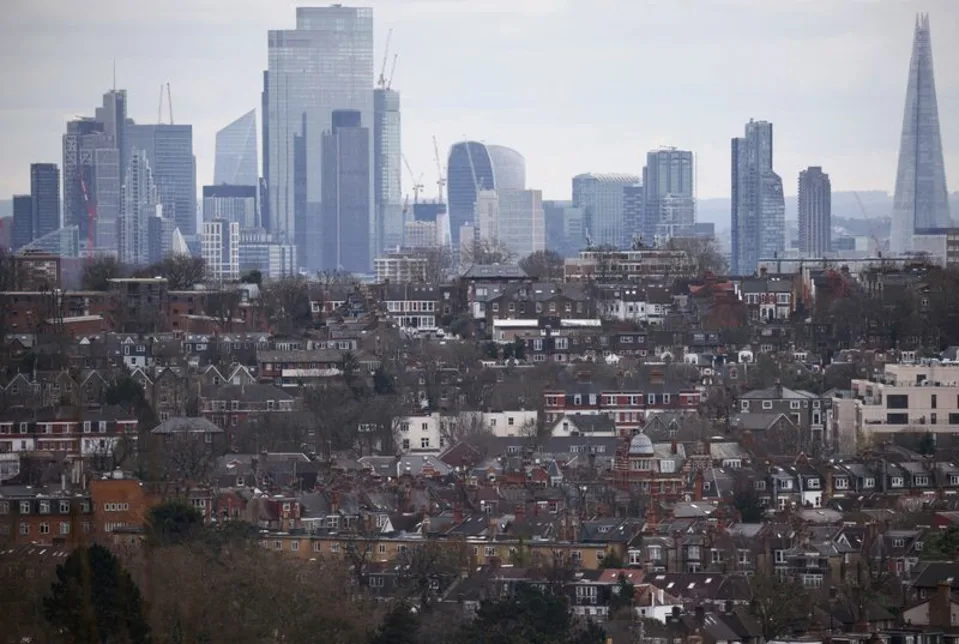
The UK property market is showing signs of weakness again. A new survey shows that housing activity stayed low last month. There is still some small sign that buyers may be slowly returning. But overall demand remains weak and uncertain.
The latest update comes from a survey by the Royal Institution of Chartered Surveyors. It shows that the market is still under pressure. Many buyers are holding back. This is because borrowing costs remain high. People are unsure about future price changes.
One key concern is interest rates. The market is closely watching the Bank of England. It is still reviewing inflation risks. These risks are linked to global tensions, including economic effects from the Iran conflict. Because of this, many expect interest rates to stay high for longer.
High interest rates make mortgages more expensive. This reduces buying power. It also slows down property deals. Many first-time buyers are waiting. They want lower costs before entering the market.
Survey data shows that buyer interest is not falling further. But it is also not strongly rising. This shows a fragile balance. Some regions report small improvements in enquiries. But these are not strong enough to signal a full recovery.
The UK property market also faces pressure from the rental sector. Landlords are offering fewer homes to rent. This trend was also highlighted in the survey results. The number of available rental properties fell in May.
One reason for this drop is new tenant protection rules. These rules aim to improve security for renters. But they also increase responsibilities for landlords. Some landlords feel the rules make renting less flexible. As a result, some are leaving the rental market or reducing their portfolios.
This has reduced supply in many areas. When fewer homes are available, rent prices often stay high. Tenants then face stronger competition for homes. In many cities, rental listings are filled quickly. This creates pressure on renters looking for stable housing.
At the same time, landlords are also dealing with higher costs. Mortgage payments are higher due to past rate increases. Maintenance and tax costs have also increased in some cases. These pressures reduce profit margins. This adds to the decision to cut back on rental properties.
The survey also notes that confidence in the housing market remains low. Many professionals in the sector expect slow activity in the coming months. They do not expect a quick recovery unless borrowing costs fall.
The UK property market is strongly linked to financial conditions. When interest rates are high, both buyers and sellers act more slowly. Sellers may delay listing homes. Buyers may wait for better deals. This creates lower transaction levels across the market.
Some experts say stability may return if inflation slows. Lower inflation could allow the Bank of England to reduce interest rates. That could support more borrowing and increase demand. But for now, this is still uncertain.
There is also attention on how long inflation pressures will last. Global energy prices and geopolitical risks continue to influence the outlook. These factors make it harder to predict housing trends in the short term.
For renters, the situation remains tight. Fewer available homes mean higher competition. For buyers, high borrowing costs remain the main barrier. For landlords, rising costs and new rules are changing long-term plans.
Overall, the UK property market remains in a fragile state. There are small signs of interest returning from buyers. But the wider picture still shows low confidence and limited movement. The next few months will depend heavily on interest rate decisions and inflation trends.