
UK Campaign Targets Loud Audio on Public Transport
A new campaign in Britain is asking passengers to stop playing music and videos aloud on public transport. The effort focuses on “loudcasting,” a term used for playing audio through a phone speaker in shared spaces instead of using headphones. Supporters say the behaviour can make journeys unpleasant for other passengers and add to tension
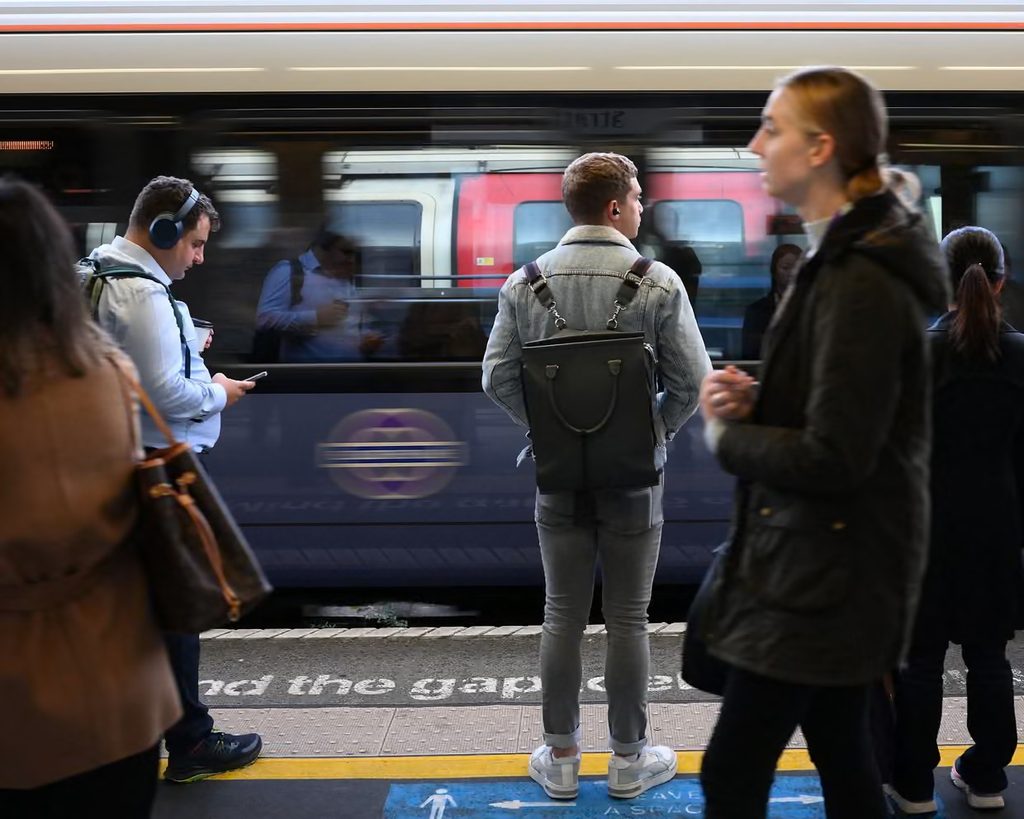
A new campaign in Britain is asking passengers to stop playing music and videos aloud on public transport. The effort focuses on “loudcasting,” a term used for playing audio through a phone speaker in shared spaces instead of using headphones. Supporters say the behaviour can make journeys unpleasant for other passengers and add to tension during busy commutes.
The campaign is being promoted by Prime Minister Andy Burnham as part of a wider effort to improve behaviour in public places. It encourages people to use headphones and respect those around them. The initiative also highlights other common complaints, including littering and vaping where they are not allowed.
The issue may appear small compared with major transport problems, but it affects people during daily travel. Trains and buses can be crowded, and passengers often have little choice about where they sit or stand. Loud music or video sound can make it difficult to read, work, rest or have a quiet journey.
The campaign has received attention because it relies partly on public awareness and social pressure. Rather than depending only on punishment, it asks passengers to recognise that their behaviour affects others. Advocates of this approach say people may change their habits when expectations are clear and widely understood.
However, some critics question whether a campaign can make a lasting difference without stronger enforcement. Transport staff already deal with a range of problems, from delays and overcrowding to abuse and safety concerns. Adding more rules may be difficult if there are not enough staff to enforce them consistently.
Transport operators also have existing powers to act against certain forms of nuisance behaviour. The challenge is deciding when intervention is necessary and how to respond fairly. A campaign can help explain expectations, but its success may depend on whether passengers see the message repeated and supported across the transport network.
The debate also raises questions about shared public space. People have different ideas about what counts as acceptable behaviour, particularly in busy cities. Clear rules can help, but courtesy remains important because not every problem can be solved through fines or official warnings.
For commuters, the aim is straightforward: make public transport more comfortable without creating unnecessary conflict. If more passengers use headphones and keep shared spaces clean, journeys may become easier for everyone.
The campaign’s longer-term impact remains to be seen. Its success will depend on whether the message changes daily habits and whether transport authorities can respond to repeated problems without placing an unreasonable burden on staff.