
Adder Snake Bite Leaves Dad Hospitalized
A paddleboarding trip in Suffolk turned into a medical emergency after a father of two was bitten by an adder, the only venomous snake native to Britain. The incident left the man with severe swelling and intense pain before he was taken to hospital for treatment. Zak Brown, 39, from St Ives in Cambridgeshire, was
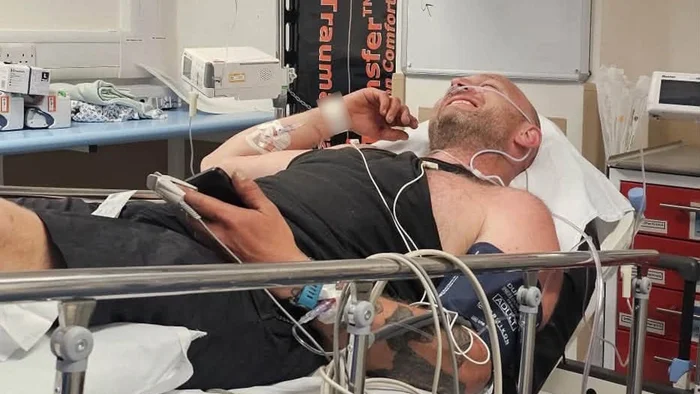
A paddleboarding trip in Suffolk turned into a medical emergency after a father of two was bitten by an adder, the only venomous snake native to Britain. The incident left the man with severe swelling and intense pain before he was taken to hospital for treatment.
Zak Brown, 39, from St Ives in Cambridgeshire, was paddleboarding with a friend at Cavenham Heath National Nature Reserve on May 1. The pair stopped to take a short break during their trip. As Brown stepped onto the grassy riverbank, he accidentally stood on a young adder hidden in the grass.
Within seconds, he felt a sharp pain in his left ankle. When he looked down, he saw the snake still attached to the back of his heel.
Brown said the bite came without warning. He described the pain as sudden and severe. The juvenile adder, which he estimated was about half a meter long, released venom before moving away.
After the bite, the swelling began quickly. Brown said his ankle became larger within about 30 minutes. The pain then spread further up his leg as he tried to make his way back.
The journey to his parked car took about two hours. During that time, the swelling continued to worsen. Brown said he became concerned that he might need emergency air ambulance assistance because he was struggling to move.
As the venom spread, he could no longer put weight on his injured leg. He was later taken to hospital, where doctors treated the effects of the snake bite.
Adders are the only venomous snakes found naturally in Britain. They are usually shy animals and rarely attack people unless they feel threatened or are accidentally stepped on. Most bites happen when someone unknowingly gets too close to the snake or disturbs it.
Experts say adder bites are uncommon, and deaths are extremely rare. Most healthy adults recover with proper medical treatment. However, bites can cause serious pain, swelling, nausea, and other symptoms. Young children, older adults, and people with existing health conditions may face a greater risk of severe reactions.
Medical experts advise anyone bitten by an adder to seek immediate medical attention. People should stay as calm as possible, keep the affected limb still, and avoid trying to suck out the venom or cut the wound. Quick medical assessment helps doctors monitor symptoms and provide treatment if needed.
Adders are protected wildlife in the United Kingdom and play an important role in the natural environment by helping control populations of small mammals and other prey. They are commonly found in heathland, woodland edges, sand dunes, and grassy areas during warmer months.
As outdoor activities such as hiking, paddleboarding, and walking become more popular during spring and summer, wildlife experts encourage visitors to remain alert when exploring natural habitats. Wearing sturdy footwear, staying on marked paths where possible, and watching where you step can reduce the chance of accidental encounters with snakes.
Brown's experience highlights how quickly an ordinary outdoor trip can become an emergency. Although adder bites remain rare across Britain, the incident serves as a reminder that people should be aware of local wildlife when spending time in nature.
Health officials continue to stress that anyone who suspects they have been bitten by an adder should seek medical care as soon as possible. Prompt treatment can reduce complications and improve recovery, especially if swelling or severe pain develops after the bite.