
Britain Labour By Election Victory Boosts Burnham
Britain’s Labour Party has won the Holborn and St Pancras parliamentary by-election, giving Prime Minister Andy Burnham a boost after a strong challenge from the Green Party. Labour candidate Sagal Abdi-Wali won 12,292 votes, while Green Party leader Zack Polanski received 8,928. The result was reported on Friday, October 9, and offered an early test
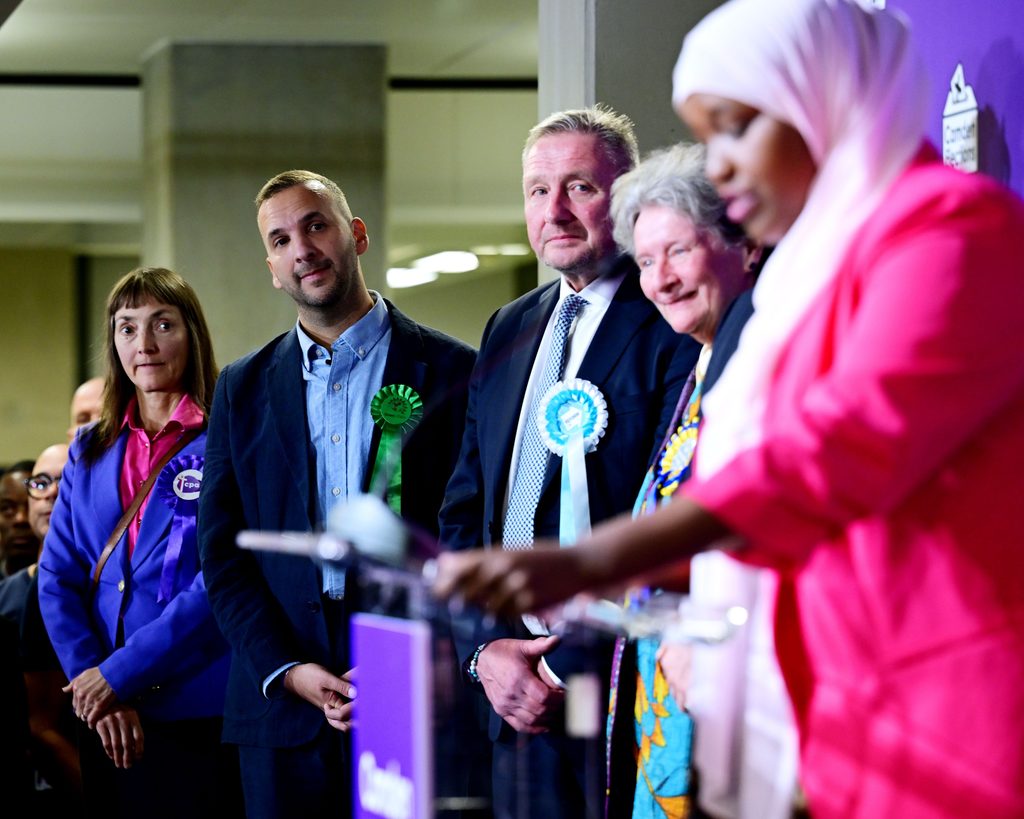
Britain's Labour Party has won the Holborn and St Pancras parliamentary by-election, giving Prime Minister Andy Burnham a boost after a strong challenge from the Green Party. Labour candidate Sagal Abdi-Wali won 12,292 votes, while Green Party leader Zack Polanski received 8,928. The result was reported on Friday, October 9, and offered an early test of Labour's standing under its new leader.
The vote followed the departure of former Labour leader Keir Starmer from Parliament. The contest attracted attention because Labour has faced pressure from parties on both the left and right. The Greens have tried to attract voters who want stronger action on issues such as housing, the climate and public services. Reform has also challenged Labour in national polling, making the government's political position an important issue.
Abdi-Wali, a local council leader, said she wanted to work on issues affecting people in the constituency, including housing. She also paid tribute to the work of previous Labour representatives. Her victory means Labour will retain the seat, but the result also shows that the party had to face a serious challenge from a rival seeking to expand its support in urban areas.
Polanski acknowledged the defeat but said he intended to remain Green Party leader. The result is a setback for the party, which had hoped to turn its growing support into a parliamentary victory. The Greens have sought to present themselves as a stronger alternative for voters who feel that the main parties do not go far enough on climate policy, housing and social issues.
The campaign was also affected by controversy over a motion passed at the Green Party conference that equated Zionism with racism. The motion drew criticism from Jewish organisations, political opponents and some Green lawmakers. Polanski, who is Jewish, faced questions about the issue during the campaign and after the result. He defended his wider political approach while acknowledging disappointment at losing the seat.
The result may influence how Labour and the Greens approach voters in future contests. Labour will want to show that the new leadership can restore trust and address everyday concerns. Housing costs, public services and the economy are likely to remain central to that effort. The Greens, meanwhile, must decide how to turn their support into wins while responding to internal disagreements and public criticism.
A by-election offers only a snapshot of public opinion. Local issues, turnout and the candidates themselves can all shape the result, so it cannot be treated as a direct prediction of a future national election. Still, the contest provides evidence that competition for left-leaning voters remains intense.
For Burnham, the victory provides an opportunity to build momentum. For Polanski, the defeat creates a challenge to prove that the Green Party can keep growing despite controversy. The result leaves both parties with work to do as they seek to persuade voters that their policies can improve daily life.
UK Gas Standing Charges Set for Major Reform

UK Budget Economic Pressure Shapes Government Plans

Britain EU Industrial Rules Remain Key Issue in Talks

UK Business Financial Distress Reaches a Two Decade High

Slow Construction Threatens Britain’s Housing and Growth Plans

Thousands of British Homes Remain Without Power After Storms