IMF Raises Forecast for UK Economic Growth
The International Monetary Fund has raised its forecast for Britain’s economic growth in 2026, offering a more positive view of the country’s near-term outlook. The forecast upgrade reflects stronger-than-expected growth during the first half of the year, although the IMF has warned that the economy still faces risks. Higher energy costs, inflation and global uncertainty

The International Monetary Fund has raised its forecast for Britain's economic growth in 2026, offering a more positive view of the country's near-term outlook. The forecast upgrade reflects stronger-than-expected growth during the first half of the year, although the IMF has warned that the economy still faces risks. Higher energy costs, inflation and global uncertainty could place pressure on households and businesses in the months ahead.
The updated forecast puts UK growth at 1.3% for 2026. The stronger outlook has been linked in part to business expansion connected with artificial intelligence and related investment. Companies investing in digital infrastructure may create demand for equipment, services and skilled workers. However, the benefits are unlikely to be spread evenly across all sectors, and many businesses will continue to face pressure from operating costs and uncertain demand.
The IMF has also warned that growth could slow in 2027. Rising energy prices and higher interest rates may limit spending by households and companies. If borrowing becomes more expensive, businesses may delay investment and consumers may reduce purchases. Inflation remains another concern because it affects the cost of essentials and can influence decisions made by the Bank of England.
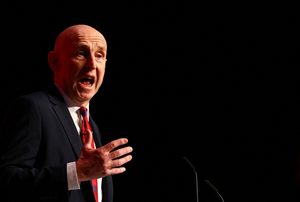
The government is under pressure to improve public finances while supporting economic activity. Chancellor John Healey is expected to present a budget on October 28, making the coming weeks important for businesses and households looking for clarity on taxes, spending and support measures. The IMF has encouraged targeted and temporary assistance for energy costs rather than broad subsidies that could place a greater burden on public finances.
Economic forecasts are useful for planning, but they are not guarantees. Growth depends on many factors, including consumer demand, investment, global trade and political developments. Conflicts affecting energy markets can change prices quickly, while shifts in technology investment can create both opportunities and risks. Businesses therefore need to consider different scenarios rather than relying on one forecast.
The outlook also presents a challenge for policymakers. Measures that support demand may help businesses in the short term, but excessive spending can make public debt harder to manage. At the same time, rapid spending cuts could weaken services or reduce growth if they are poorly targeted. The government must decide how to balance these competing priorities.
For workers and households, stronger growth may bring opportunities if it leads to more jobs, higher investment and better wages. Yet the effects can take time to reach people, especially if living costs remain high. Small businesses may also need support to invest in technology and manage energy expenses.
The IMF's revised outlook gives Britain a modestly more encouraging picture for 2026, but it does not remove the risks facing the economy. The budget and future decisions on energy, inflation and public spending will help determine whether growth can continue into 2027. Clear policies and stable economic conditions will be important for turning the improved forecast into practical gains.
NHS Trusts Question Value of Palantir Data Platform

Russell Brand Trial Continues as Court Hears Evidence

UK Budget Faces Close Watch From Financial Markets
UK Regulator Targets Microsoft’s Business Software Power
UK Economy Grows Despite Pressure on Household Budgets

UK Urges Stronger Sanctions on Russian Shipping