
EU Culture Street 2026 opens in Hangzhou China
EU Culture Street Hangzhou 2026 has officially opened in the Chinese city of Hangzhou, bringing together European cultural showcases, performances, and exhibitions in a major international outreach event. According to Britain Chronicle analysis, the initiative reflects a broader push by both the European Union and China to strengthen cultural diplomacy at a time when global
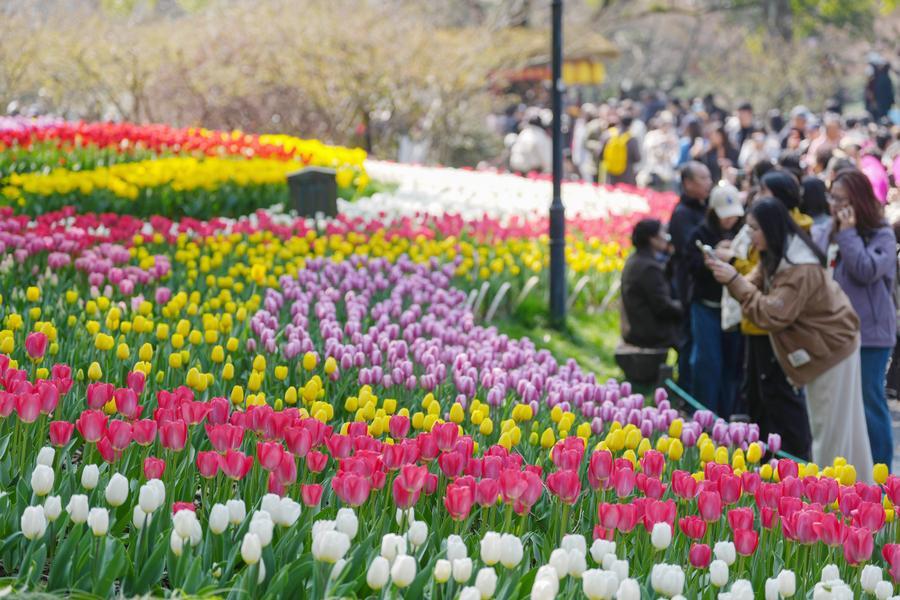
EU Culture Street Hangzhou 2026 has officially opened in the Chinese city of Hangzhou, bringing together European cultural showcases, performances, and exhibitions in a major international outreach event.
According to Britain Chronicle analysis, the initiative reflects a broader push by both the European Union and China to strengthen cultural diplomacy at a time when global political and economic relations remain complex.
The two-day event highlights Europe’s diverse cultural identity while offering a platform for deeper people-to-people engagement between European and Chinese audiences.
What Happened?
EU Culture Street Hangzhou 2026 launched on Friday in Hangzhou, the capital of China’s Zhejiang Province, featuring cultural displays from all 27 EU member states.
The event is co-organised by the Delegation of the European Union to China, EU member states, and the Hangzhou Foreign Affairs Office, bringing together interactive booths, live performances, and cultural exhibitions.
One of the key attractions includes a European Union Geographical Indications exhibition, alongside hands-on activities designed to showcase regional food, traditions, and heritage from across Europe.
Officials described the event as part of an ongoing cultural diplomacy initiative aimed at strengthening mutual understanding between European and Chinese societies.
EU representatives noted that the programme has been running since 2017 and has steadily grown into a flagship cultural engagement platform.
Why This Matters
EU Culture Street Hangzhou 2026 highlights the growing importance of soft power in international relations, particularly through cultural exchange and public diplomacy.
At a time of global geopolitical tension, cultural initiatives like this provide an alternative channel for dialogue that is less politically sensitive but still strategically significant.
For Europe, the event offers an opportunity to present cultural diversity and strengthen visibility in one of the world’s largest consumer and tourism markets.
For China, hosting such events supports broader goals of international cultural exchange and reinforces its role as a hub for global dialogue during its long-term planning period for civilisational engagement.
These exchanges also contribute to building long-term educational, tourism, and business links between regions.
What Analysts or Officials Are Saying
EU officials have described EU Culture Street Hangzhou 2026 as a key instrument of cultural diplomacy, designed to connect audiences across generations through shared experiences.
Representatives from the EU delegation in China emphasised that the initiative helps promote understanding of European creativity, heritage, and cultural diversity.
Chinese organisers have highlighted the role of such events in expanding international cultural dialogue and supporting multi-level exchanges between cities and institutions.
Hangzhou officials also pointed to the city’s growing network of sister-city relationships with European municipalities, which has helped deepen local-level cooperation.
Britain Chronicle Analysis
EU Culture Street Hangzhou 2026 reflects a broader strategic use of cultural engagement as a stabilising tool in international relations.
While political and economic relations between global powers often fluctuate, cultural diplomacy remains a relatively consistent channel for maintaining dialogue and mutual visibility.
The EU’s continued investment in such initiatives suggests a recognition that influence in global affairs is not only shaped by trade or security policy, but also by cultural presence and perception.
For China, hosting European cultural showcases reinforces its positioning as an open platform for international exchange, particularly as it continues to expand its global engagement strategy under long-term development planning.
However, these events also operate within a wider geopolitical context, where cultural cooperation exists alongside broader strategic competition and policy differences.
In this sense, EU Culture Street Hangzhou 2026 is not only a cultural exhibition but also a subtle expression of ongoing diplomatic balancing between cooperation and competition.
What Happens Next
EU Culture Street Hangzhou 2026 is expected to conclude after its two-day programme, but organisers indicate that similar initiatives will continue as part of ongoing EU-China cultural engagement efforts.
Future editions are likely to expand in scope, potentially involving more cities and deeper collaboration between European and Chinese cultural institutions.
China’s broader cultural exchange strategy during its upcoming five-year development period is expected to further encourage such international events.
Meanwhile, the European Union is likely to continue using cultural diplomacy as a complementary tool alongside economic and political engagement in its relations with China.
Overall, the event signals that despite wider global tensions, cultural exchange remains an active and evolving space for international cooperation.
£30M Boost for London Cultural Venues & Arts Access

Findhorn to Host Indigenous Voices Dance Festival May 29-31

Kasashima Gallery Sets 2026 Global Exhibition Roadmap

EU Launches Cultural Training Lab for Ukrainian Creators
Spanish Film ‘Deaf’ Wins EU Parliament LUX Prize 2026

Tulu Koota Netherlands marks Bisu 2026 celebration
