
Spanish Film ‘Deaf’ Wins EU Parliament LUX Prize 2026
The European Parliament has awarded its 2026 LUX Audience Prize to the Spanish film Deaf (Sorda), directed by Eva Libertad and co-starring Miriam Garlo. The decision was announced in Brussels, marking a major cultural recognition for the film across Europe. According to Britain Chronicle analysis, the award highlights a growing European focus on inclusive storytelling,
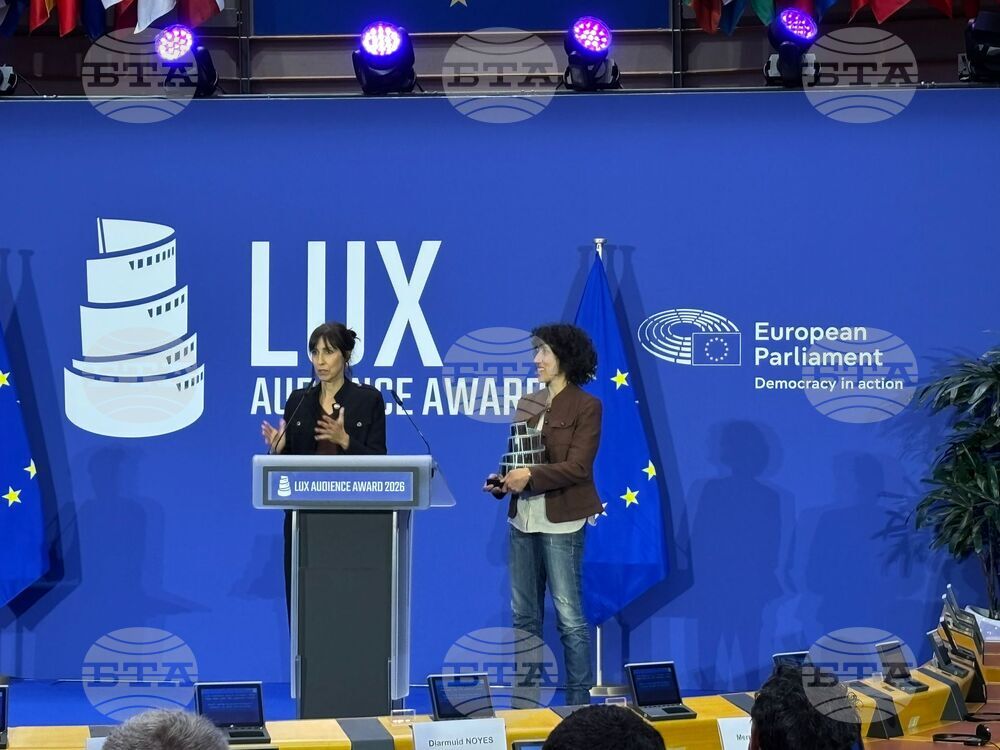
The European Parliament has awarded its 2026 LUX Audience Prize to the Spanish film Deaf (Sorda), directed by Eva Libertad and co-starring Miriam Garlo. The decision was announced in Brussels, marking a major cultural recognition for the film across Europe.
According to Britain Chronicle analysis, the award highlights a growing European focus on inclusive storytelling, where films addressing disability, identity, and lived experience are gaining stronger institutional and public support.
The win places Deaf ahead of four other shortlisted films, reinforcing its impact not only as a cinematic work but also as a socially resonant narrative shaped by real-life experiences within the deaf community.
What Happened?
The European Parliament officially named Deaf as the winner of the 2026 LUX Audience Award, a prize jointly decided by European citizens and Members of the European Parliament.
The announcement was made by Vice-President Sabine Verheyen in Brussels. The Spanish-language film, directed by Eva Libertad, was selected from a shortlist that included It Was Just an Accident, Christy, Sentimental Value (Affeksjonsverd), and Love Me Tender.
The film follows Ángela, a deaf mother navigating the challenges of raising a child in a society designed primarily for hearing individuals. It explores how motherhood, communication barriers, and identity intersect under pressure.
At its core, the story examines the emotional strain placed on a couple after the birth of their child, when everyday communication becomes more complex and the balance of care shifts within the family.
The film is also deeply personal, with actress Miriam Garlo—who plays the lead role—sharing a real-life connection with director Eva Libertad as her sister.
Why This Matters
The recognition of Deaf reflects a broader shift in European cultural institutions toward prioritising authentic representation of marginalised communities.
Films like this are increasingly influencing public discussion around accessibility, disability rights, and social inclusion, extending their impact beyond cinema into policy and public awareness.
The story’s focus on motherhood and disability also challenges long-standing gaps in representation, particularly around how healthcare systems support disabled parents.
By elevating such narratives, the LUX Prize continues to position itself as more than a film award, acting as a cultural platform that amplifies socially relevant European storytelling.
What Analysts or Officials Are Saying
Director Eva Libertad has described the film as rooted in real-life experiences shared by deaf women, particularly around childbirth and communication barriers in medical settings.
She explained that many of the scenes were based on interviews and lived accounts, including traumatic birth experiences where communication failures created distress and confusion.
European Parliament representatives highlighted the film’s ability to connect artistic storytelling with social reality, noting its resonance across audiences and policymakers.
Industry observers have also pointed out that Deaf stands out for its intimate portrayal of family dynamics, with its emotional core strengthened by the real-life relationship between the director and lead actress.
Britain Chronicle Analysis
The success of Deaf signals a broader evolution in European film culture, where audience-driven awards are increasingly aligning with social impact rather than purely artistic innovation.
What makes this win significant is not just the subject matter, but the authenticity behind it. The involvement of individuals directly connected to the deaf experience gives the film a credibility that resonates strongly with both viewers and institutions.
It also reflects how European cultural funding and recognition systems are gradually prioritising inclusivity narratives, particularly those that expose structural gaps in healthcare, communication, and family support systems.
However, the challenge remains whether such recognition translates into sustained policy change or remains largely symbolic within cultural spaces.
What Happens Next
Following its LUX Prize win, Deaf is expected to gain wider distribution across European cinemas and streaming platforms, increasing its audience reach significantly.
The recognition may also encourage further funding and visibility for films centred on disability narratives and underrepresented communities within European cinema.
In policy terms, the film’s influence—already noted in regional healthcare discussions in Spain—could continue to shape conversations around accessibility standards in medical and public services.
As the LUX Prize continues to highlight socially engaged cinema, future editions are likely to see even stronger competition around themes of inclusion, identity, and lived experience.
£30M Boost for London Cultural Venues & Arts Access

Findhorn to Host Indigenous Voices Dance Festival May 29-31

EU Culture Street 2026 opens in Hangzhou China

Kasashima Gallery Sets 2026 Global Exhibition Roadmap
EU Launches Cultural Training Lab for Ukrainian Creators
Tulu Koota Netherlands marks Bisu 2026 celebration
