
Europe’s 12 Must-Visit Art Museums for Travelers
Europe remains the global heart of art history, home to institutions that preserve centuries of creativity, power, and cultural transformation. From Renaissance masterpieces to modern experimental works, its museums continue to attract millions of visitors every year. According to Britain Chronicle analysis, Europe’s leading art museums are not only cultural landmarks but also key drivers
Europe remains the global heart of art history, home to institutions that preserve centuries of creativity, power, and cultural transformation. From Renaissance masterpieces to modern experimental works, its museums continue to attract millions of visitors every year.
According to Britain Chronicle analysis, Europe’s leading art museums are not only cultural landmarks but also key drivers of tourism economies, shaping how cities like Paris, London, and Amsterdam define their global identity.
As travel demand rebounds and cultural tourism grows, these institutions remain essential stops for visitors seeking to understand the artistic foundations of Western and global heritage.
What Happened?
Across Europe, a group of world-renowned museums continues to dominate global cultural tourism, each offering distinct collections that reflect different eras, movements, and artistic revolutions.
In Paris, the Louvre remains the most visited museum in the world, housing more than 35,000 works including the Mona Lisa and Venus de Milo. The Musée d’Orsay, also in the French capital, showcases Impressionist and Post-Impressionist masterpieces inside a converted railway station.
London contributes two major institutions: the British Museum, known for its vast global collections including the Rosetta Stone, and the National Gallery, which focuses on Western European art. Both remain free to enter, making them among the most accessible major museums in the world.
In Italy, the Vatican Museums in Rome offer one of the most concentrated collections of Renaissance art, while Florence’s Uffizi Gallery preserves iconic works from Botticelli, Michelangelo, and Titian. The Galleria Borghese provides a more intimate experience with strictly limited visitor numbers.
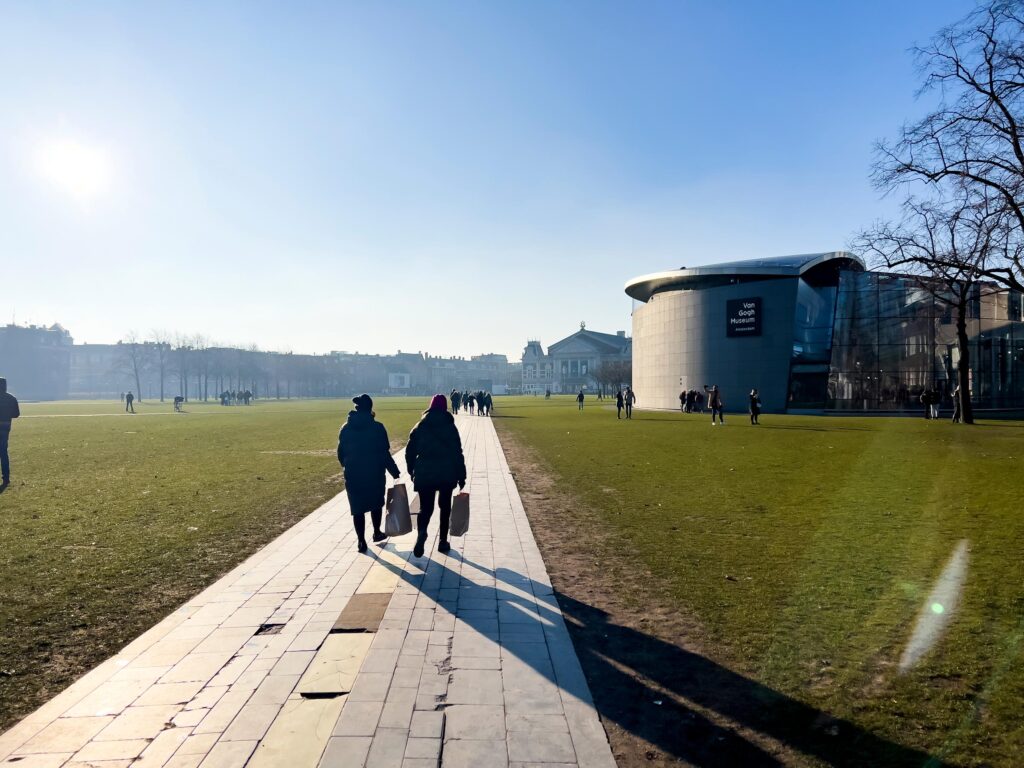
Elsewhere, Amsterdam’s Rijksmuseum and Van Gogh Museum highlight Dutch artistic heritage, while Madrid’s Museo del Prado showcases Spanish masters like Goya alongside European classics. Berlin’s Museum Island combines multiple institutions into a UNESCO-listed cultural complex spanning antiquity to modern art.
Why This Matters
These museums are not only cultural destinations but also major economic engines for European tourism. Cities like Paris, London, and Amsterdam rely heavily on museum-driven visitor traffic, which supports hospitality, retail, and transport sectors.
They also function as custodians of global cultural memory. Many of the works housed in these institutions represent turning points in art history, from the Renaissance to Impressionism and modernism.
At a time when digital media dominates cultural consumption, physical museums continue to provide irreplaceable experiences that connect audiences directly with original works of art.
What Analysts or Officials Are Saying
Cultural analysts note that Europe’s museum ecosystem remains unmatched in depth and diversity, with collections that span thousands of years of human creativity. Institutions such as the Louvre and British Museum are frequently cited as global benchmarks for curatorial scale.
Tourism experts highlight that museum accessibility plays a major role in visitor numbers, pointing to free-entry policies in London as a key factor in maintaining high footfall.
Heritage officials also stress the importance of preservation and renovation cycles, noting that closures such as those at major institutions like the Centre Pompidou are necessary to protect long-term structural integrity and collections.
Britain Chronicle Analysis
Europe’s leading art museums represent more than curated spaces; they are living archives of political power, artistic evolution, and national identity. Each institution reflects how countries choose to preserve and present their cultural legacy to the world.
What stands out is the balance between accessibility and exclusivity. While some museums prioritise free public access, others manage demand through pricing or limited entry systems, shaping vastly different visitor experiences.
There is also a growing tension between preservation and popularity. As visitor numbers rise, museums face increasing pressure to modernise infrastructure without compromising historical authenticity.
From a broader perspective, these institutions are entering a new phase where cultural heritage must compete with digital experiences, raising questions about how future generations will engage with physical art spaces.
What Happens Next?
European museums are expected to continue expanding digital access, immersive exhibitions, and international collaborations to attract younger and more global audiences.
Major institutions are also investing in restoration projects and infrastructure upgrades to manage increasing visitor demand and protect fragile artworks.
As global travel continues to grow, competition between cultural cities is likely to intensify, with museums playing a central role in shaping tourism strategies across Europe.
Outer Hebrides Wildflowers Bloom: Scotland’s Machair Dream

Russian influencers break silence on Putin crackdown

Cádiz Ranked Among Europe’s Best Cheap Beach Holidays

Forbes 30 Under 30 Europe 2026 Highlights UK Talent Rise

Ten Lifestyle Group shares signal overvaluation concerns

Chris Stapleton Scores Chart Hit With Mumford Duet