
Europe’s 12 Must-Visit Art Museums Ranked for Travellers
Europe remains home to some of the world’s most influential art museums, spanning centuries of history, architecture and cultural heritage across major cities. According to Britain Chronicle analysis, these institutions are not only tourist landmarks but also evolving cultural spaces that continue to shape global understanding of art and identity. From Renaissance masterpieces in Italy
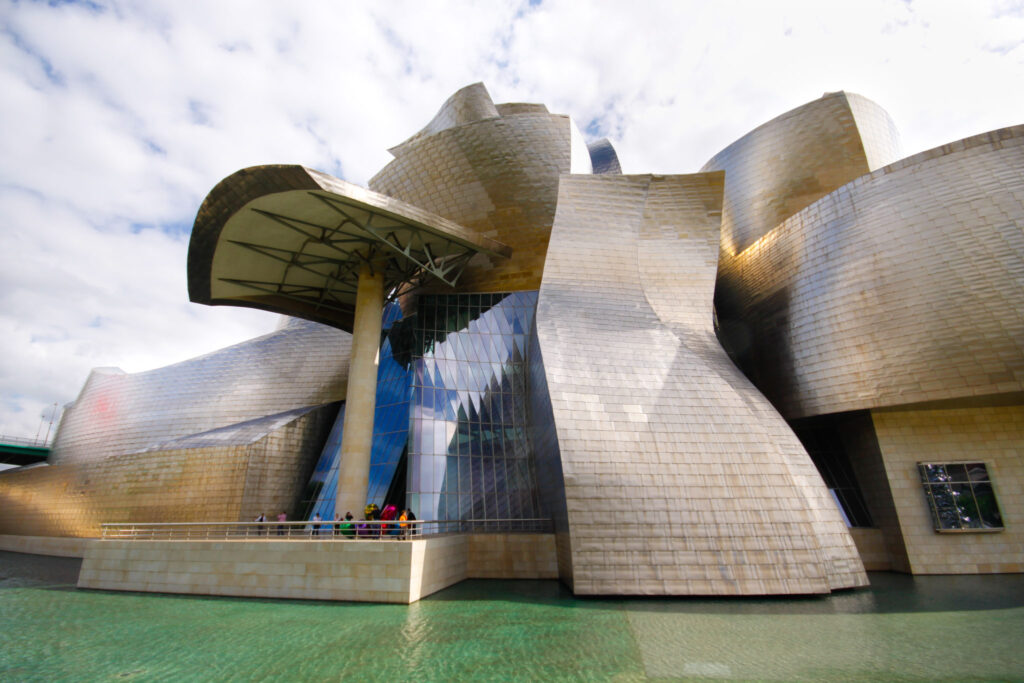
Europe remains home to some of the world’s most influential art museums, spanning centuries of history, architecture and cultural heritage across major cities.
According to Britain Chronicle analysis, these institutions are not only tourist landmarks but also evolving cultural spaces that continue to shape global understanding of art and identity.
From Renaissance masterpieces in Italy to modern installations in London and Berlin, Europe’s museum landscape reflects both historical depth and contemporary innovation.
What Happened?
Travel experts and cultural institutions continue to highlight a selection of Europe’s most important art museums, many of which attract millions of visitors each year.
The list is led by the Louvre in Paris, the world’s most visited museum, housing more than 35,000 works, including the Mona Lisa and Venus de Milo.
In London, the British Museum and the National Gallery remain central cultural landmarks, offering vast collections ranging from ancient artefacts to European masterpieces.
The Vatican Museums in Rome provide one of the most significant religious art collections in the world, including the Sistine Chapel and works by Michelangelo and Raphael.
Florence’s Uffizi Gallery preserves the heart of the Italian Renaissance, while Rome’s Galleria Borghese offers an intimate viewing experience of Baroque and Renaissance art.
In Amsterdam, both the Rijksmuseum and Van Gogh Museum showcase Dutch artistic heritage, from Rembrandt and Vermeer to one of the most influential post-impressionist painters in history.
Madrid’s Museo del Prado stands as Spain’s premier art institution, featuring major works by Goya and Bosch, while Paris’ Musée d’Orsay focuses on Impressionist and Post-Impressionist art housed in a former railway station.
London’s Tate Modern brings contemporary and modern art into focus inside a converted power station, and Berlin’s Museum Island offers a UNESCO-listed cluster of museums covering antiquity through to modern art movements.
Why This Matters
These museums collectively represent the foundation of Western art history and remain key destinations for cultural tourism in Europe.
They also play a major economic role, drawing millions of international visitors annually and supporting local tourism industries in major capitals.
Beyond tourism, these institutions serve as preservation hubs for some of humanity’s most significant artistic achievements.
Their accessibility, including free-entry policies in cities like London, also reflects differing national approaches to public cultural education.
What Analysts or Officials Are Saying
Cultural analysts note that Europe’s museum ecosystem continues to evolve, balancing preservation with modern visitor expectations such as digital access and immersive exhibitions.
Experts also highlight the growing importance of timed entry systems and conservation controls, particularly in high-traffic institutions like the Louvre and Vatican Museums.
Tourism researchers point out that museum-heavy travel itineraries remain among the most popular forms of cultural tourism in Europe.
At the same time, curators stress the importance of protecting fragile works while maintaining public accessibility.
Britain Chronicle Analysis
Europe’s leading museums are no longer just repositories of art but active participants in shaping global cultural narratives.
The concentration of world-famous institutions across a handful of cities reinforces Europe’s continued dominance in heritage tourism.
However, rising visitor numbers and digital transformation are forcing museums to rethink how they balance access with preservation.
In this sense, the future of Europe’s museum landscape will depend as much on management strategy as on artistic legacy.
What Happens Next
Many of Europe’s top museums are expected to expand digital exhibitions and timed-entry systems to manage growing visitor demand.
Renovations and temporary closures will continue to reshape access to major collections over the coming years.
Outer Hebrides Wildflowers Bloom: Scotland’s Machair Dream

Russian influencers break silence on Putin crackdown

Cádiz Ranked Among Europe’s Best Cheap Beach Holidays

Forbes 30 Under 30 Europe 2026 Highlights UK Talent Rise

Ten Lifestyle Group shares signal overvaluation concerns
Europe’s 12 Must-Visit Art Museums for Travelers