Forced Adoption Apology Brings Historic Reckoning
The governments of the United Kingdom and the Netherlands have formally apologized to thousands of people affected by forced child separations and adoptions carried out during the second half of the twentieth century. Both governments acknowledged that past policies caused lasting harm to mothers, children, and families, and pledged to support those still living with
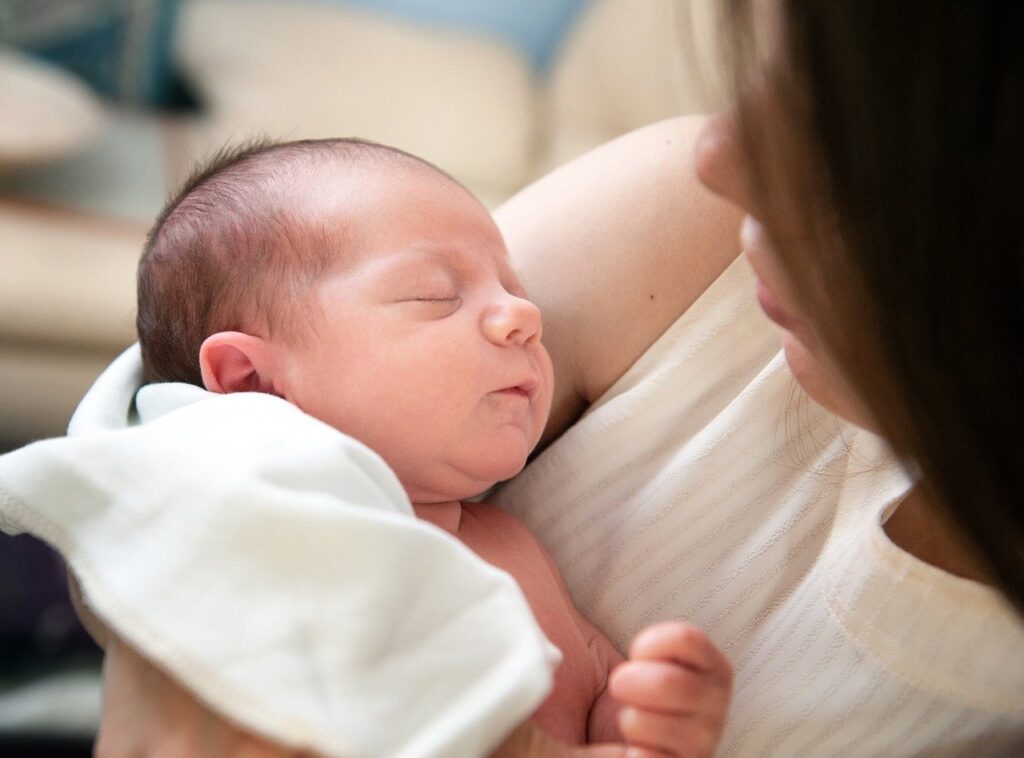
The governments of the United Kingdom and the Netherlands have formally apologized to thousands of people affected by forced child separations and adoptions carried out during the second half of the twentieth century. Both governments acknowledged that past policies caused lasting harm to mothers, children, and families, and pledged to support those still living with the consequences.
In the United Kingdom, the apology addresses practices that took place in England between 1949 and 1976. During that period, unmarried women who became pregnant often faced strong social pressure and were encouraged or compelled to give up their babies for adoption. The system was supported by state institutions and, at the time, by the Church of England.
Historians estimate that thousands of unmarried mothers in the UK had their children placed for adoption without their free and informed consent. Across the United Kingdom and the Republic of Ireland, it is estimated that between 300,000 and 500,000 children were separated from their mothers under similar practices.
Many young women were sent to specialized mother-and-baby homes after becoming pregnant outside marriage. These facilities were presented as places of care, but many mothers later reported experiencing pressure, coercion, or the removal of their babies against their wishes. The adoptions were often justified by the social attitudes of the time, which viewed children born outside marriage as a source of shame.
British Prime Minister Keir Starmer delivered a formal apology in Parliament, acknowledging the suffering caused by those policies. He said the treatment of mothers and children represented a painful chapter in the country's history and expressed the government's deep regret to everyone affected.
The Church of England also issued its own apology for its historical role in the adoption system and the operation of mother-and-baby homes. Church leaders said the shame imposed on unmarried mothers was wrong and acknowledged the pain experienced by those who had been placed in the care of Christian communities.
Alongside the apology, the British government announced a support package worth £4 million. The funding will help improve access to adoption records, expand intermediary services that assist families searching for relatives, and support research and projects that document the long-term impact of forced adoption practices.
The Netherlands also announced a formal apology for similar practices that occurred between 1956 and 1984. During those years, about 15,000 newborn children were placed for adoption under pressure, according to government findings.
State Secretary Van Bruggen apologized on behalf of the Dutch Cabinet to birth mothers, adopted children, and fathers who were affected by forced domestic adoption. The apology followed an earlier government announcement that it would formally recognize the suffering caused by these historical practices.
Dutch officials said the government accepts responsibility for its role in policies that placed many families under pressure during a period when unmarried pregnancy carried significant social stigma. The apology aims to recognize the experiences of those affected and support efforts toward healing and reconciliation.
Forced adoption policies were not limited to one country. Similar practices existed in several parts of Europe and other regions during the twentieth century, reflecting social attitudes that often discriminated against unmarried mothers. In many cases, women later said they were denied meaningful choices about raising their own children.
Both the United Kingdom and the Netherlands have said they are now focused on helping affected individuals and families. Their plans include improving access to historical records, supporting family reunions where possible, encouraging research into the long-term effects of forced adoption, and ensuring that the experiences of survivors are formally recognized.
The public apologies mark an important step in acknowledging the harm caused by past policies. While they cannot undo decades of separation and loss, both governments say they hope recognition, practical support, and continued efforts to uncover the truth will help those affected move toward healing and recovery.