
Hormuz mine clearing mission UK awaits peace
Britain is preparing for a possible Hormuz mine clearing mission in the Strait of Hormuz while waiting for a possible peace deal in the region. A large group of Royal Navy sailors is currently stationed aboard the RFA Lyme Bay, docked near Gibraltar. They are on standby for deployment. The mission is designed to clear
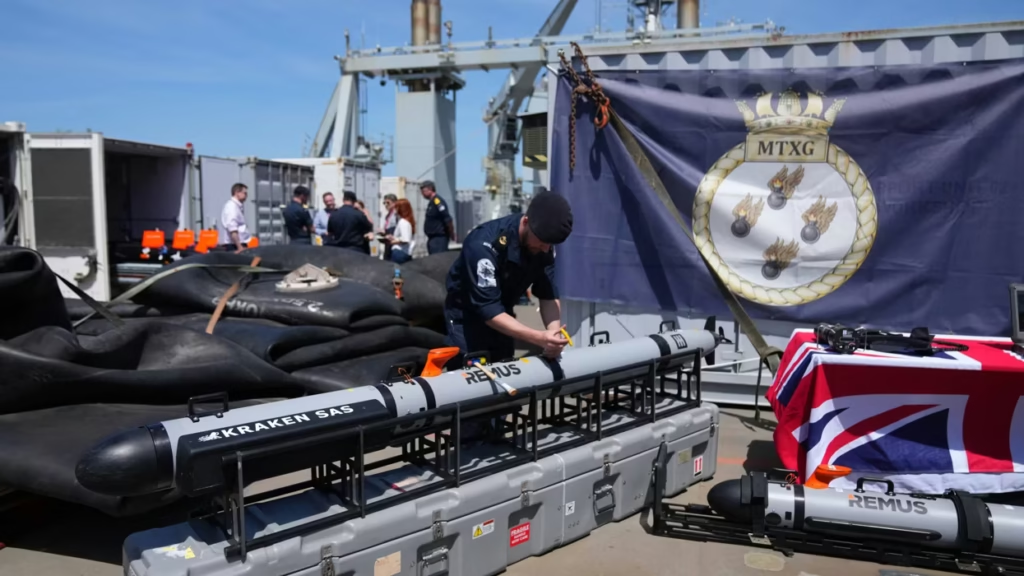
Britain is preparing for a possible Hormuz mine clearing mission in the Strait of Hormuz while waiting for a possible peace deal in the region. A large group of Royal Navy sailors is currently stationed aboard the RFA Lyme Bay, docked near Gibraltar. They are on standby for deployment. The mission is designed to clear sea mines that may block global shipping routes in the Strait of Hormuz. The plan depends on political progress between the United States, Iran, and regional allies. Officials say no final order has been given yet.
U.S. President Donald Trump has criticized allies for not doing enough in the conflict involving Iran and the Strait of Hormuz, a key route for global energy trade. The strait has become a major point of tension after shipping was disrupted and energy prices rose. Trump urged NATO allies to take more responsibility for securing the waterway. He previously said countries should secure their own oil routes. His comments have increased pressure on European partners and the United Kingdom to act more strongly.
Al Carns brought journalists to the RFA Lyme Bay in Gibraltar to show preparations for a possible international naval operation led by the United Kingdom and France. The ship is being loaded with ammunition and mine hunting sea drones with sonar systems. The vessel is an amphibious landing ship and carries hundreds of sailors. It is expected to join the HMS Dragon and allied ships for support before moving through the Suez Canal toward the Persian Gulf.
Royal Navy experts say the Strait of Hormuz could contain many types of sea mines. These include mines that float, sit on the seabed, or are tied by cables. Some can be triggered by sound, movement, or light. Commanders say Iran could use a wide range of systems, making detection difficult. New unmanned sea drones are being used to scan the seabed faster than human crews. These systems create sonar images that show underwater objects. Experts then use advanced tools to confirm if objects are mines.
The priority of the mission is to open a safe shipping lane through the Strait of Hormuz. Officials say around 700 ships are waiting to leave the region. Once a safe path is cleared, ships will be allowed to move in and out again. The operation would start with a narrow corridor and expand later. Experts warn that full clearance could take months or even years due to the scale of the threat. The plan uses both manned ships and remote systems to reduce risk to crews.
It is still unclear whether any mines are currently present in the Strait of Hormuz. It is also not confirmed if the United Kingdom and its allies will be deployed for the operation. A United States official, speaking anonymously, said no mines have been detected and no ships have been damaged. Commercial shipping continues but at a reduced level. British officials argue that even if threats are uncertain, insurance companies need full confidence before trade can resume. They say proof of safety is more important than assumptions.
The final decision on deployment will only come once a peace agreement is reached. Officials say discussions between the United States, Iran, and Israel are still ongoing. Trump has said a deal is close, but details are not yet confirmed. British Armed Forces Minister Al Carns said planning continues in case the mission is approved. He added that the crew aboard the RFA Lyme Bay remains ready at all times. For now, the ships remain in Gibraltar, waiting for orders and political clarity.
Global trade groups say the situation in the Strait of Hormuz remains a major concern for energy markets. The waterway carries a large share of the world’s oil and gas shipments. Even small risks can raise insurance costs for shipping companies. Industry leaders say they need clear and verified safety before normal trade can fully return. They also say delays in reopening the route could affect fuel prices worldwide and slow economic recovery in some regions. Governments are under pressure to act quickly.