
Ministers Urged to Share Mandelson Vetting Files Amid Disclosure Row
Ministers face escalating pressure to release Peter Mandelson’s vetting files following a binding parliamentary motion, a “humble address,” passed by MPs in February. This motion required the government to publish “all papers” related to Mandelson’s appointment as ambassador to the US. Crucially, it exempted documents prejudicial to UK national security or international relations, mandating their
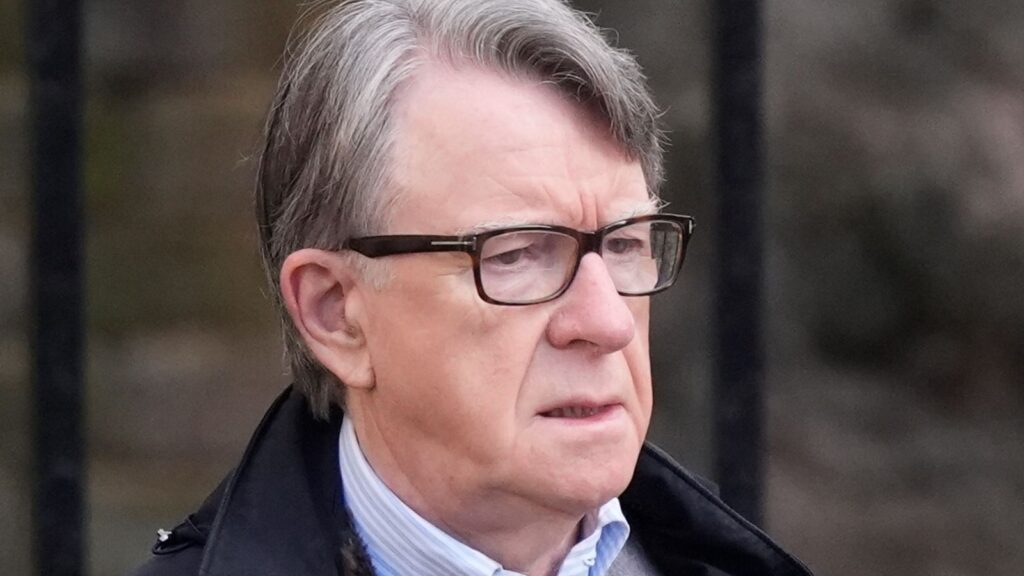
Ministers face escalating pressure to release Peter Mandelson’s vetting files following a binding parliamentary motion, a "humble address," passed by MPs in February. This motion required the government to publish "all papers" related to Mandelson’s appointment as ambassador to the US. Crucially, it exempted documents prejudicial to UK national security or international relations, mandating their disclosure to the Intelligence and Security Committee (ISC), a trusted group of MPs and peers overseeing intelligence agencies. The government’s continued delay in complying has intensified scrutiny, creating a significant standoff over transparency between Whitehall and Parliament.
The core of the controversy lies in the "unprecedented" nature of revealing Mandelson’s "developed vetting" process. Cabinet Office officials have deliberated for weeks on fulfilling the humble address. Central to the scandal are two documents: one from United Kingdom Security Vetting (UKSV), which concluded Mandelson should be denied clearance, ranking him a "high concern." The second is a highly confidential Foreign Office document, explaining its decision to override UKSV's advice, allowing Mandelson to assume his ambassadorial role despite the security concerns. The Cabinet Office recently published a template of the UKSV file, but the substantive content remains withheld.
Internal divisions have emerged within Whitehall regarding disclosure. While some senior officials, including Cabinet Office permanent secretary Cat Little, reportedly favored making the UKSV outcome public and providing unredacted documents to the ISC, others oppose full disclosure, citing national security risks. This impasse was so significant that senior officials, including Little, knew about Mandelson's vetting failure but reportedly did not inform Prime Minister Keir Starmer for several weeks. Such internal resistance has fueled fears among some officials of a potential cover-up, casting doubt on the documents' eventual release.
Despite these concerns, recent Guardian revelations make full non-disclosure seem improbable, though delays are still anticipated. Conservative shadow minister Alex Burghart criticized the government, stating Parliament’s instruction was clear two months ago: hand over all documents, with sensitive material going to the ISC. He accused the government of "not doing the right thing," crediting investigative journalism for forcing the issue. The ISC is expected to meet soon, with Cat Little likely to face questioning. A government spokesperson affirmed commitment to "complying with the humble address in full as soon as possible," including providing relevant documents to the ISC, signaling a potential resolution to the prolonged standoff.
UK Nuclear Deterrent: Vital for Britain’s National Defence

UK Considers Under-16 AI Chatbot Ban Amid Safety Push
MP Calls for National Biosecurity Strategy UK at Core of Security

Connor Naismith: Why Blue Labour is True Labour
NHS Legal Anomaly Costs Billions: Calls for Urgent Reform

Green Party Surge: Starmer’s Labour Faces Existential Threat