
UK Considers Under-16 AI Chatbot Ban Amid Safety Push
The UK government is actively exploring the implementation of age restrictions for AI chatbot usage among children under 16, mirroring similar proposals for social media platforms. Technology Minister Liz Kendall confirmed that the government is examining whether these AI tools should be subject to bans, asserting that AI chatbots will be brought under the Online
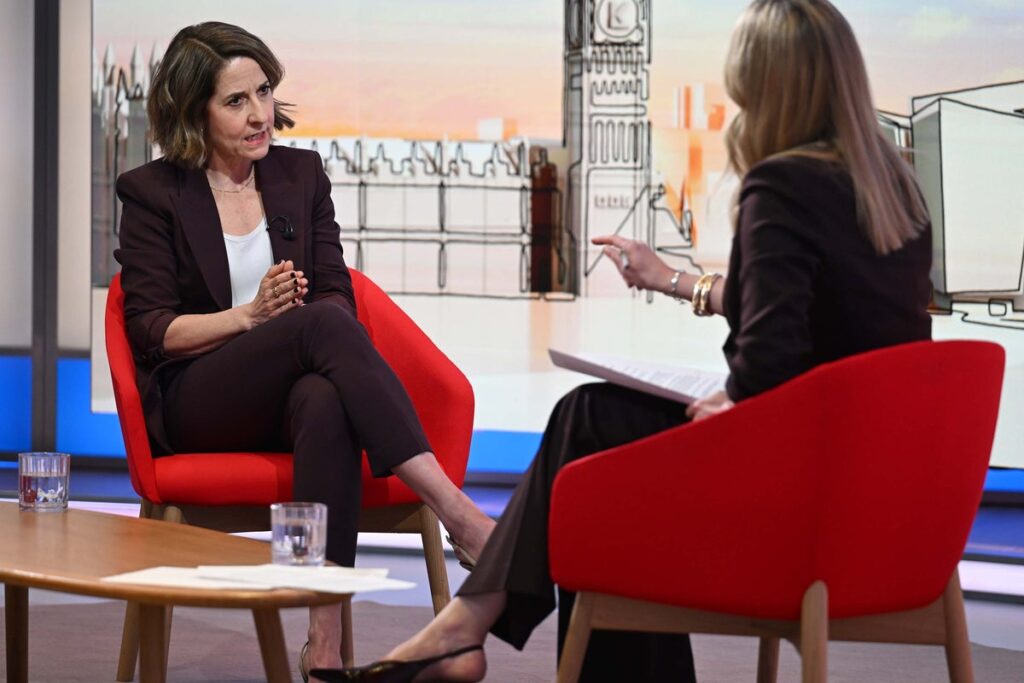
The UK government is actively exploring the implementation of age restrictions for AI chatbot usage among children under 16, mirroring similar proposals for social media platforms. Technology Minister Liz Kendall confirmed that the government is examining whether these AI tools should be subject to bans, asserting that AI chatbots will be brought under the Online Safety Act to address both illegal content and content harmful to children. This move comes as part of a broader consultation aimed at bolstering online safety for young people, with the central question being "how" to act, rather than "if" action will be taken.
Ministers are facing increasing pressure to act, with concerns mounting over the potential impact of AI and social media on children's welfare and development. A public consultation has been launched to gather opinions on a potential ban, as well as strategies to limit addictive design features within AI chatbots and online games. Despite having received nearly 50,000 responses so far, Ms. Kendall has urged more young people, who currently represent only about 6,000 respondents, to contribute their views before the consultation period concludes in five weeks. High-profile figures, including Sir Keir Starmer, have also engaged tech chiefs, emphasizing the urgency of tackling online risks faced by children.
However, the path to implementation is not without its challenges and criticisms. Campaigners and experts have cautioned against rushing into such a ban without thorough consideration. A key concern highlighted is the Department for Science, Innovation and Technology's admission that it has conducted no internal modeling or analysis on the potential impacts of an under-16 social media ban—a measure often compared to AI restrictions. This lack of evidence extends to areas such as mental health, children's access to news, and potential methods youngsters might employ to bypass any imposed restrictions. Peers have attempted to introduce age limits multiple times in the Children’s Wellbeing and Schools Bill, but these efforts have been rejected by MPs.
Andy Burrows, chief executive of the Molly Rose Foundation, underscored the need for effective and safe solutions, urging the government to follow all available evidence before enacting any ban. As the consultation continues, and with Ms. Kendall set to meet with young people and the NSPCC at a Childhood in the Age of AI summit, the government's approach remains focused on building a robust, evidence-based framework to safeguard children in an increasingly digital world. The ongoing dialogue aims to balance protective measures with the complexities of regulating rapidly evolving technology.
UK Nuclear Deterrent: Vital for Britain’s National Defence

Ministers Urged to Share Mandelson Vetting Files Amid Disclosure Row

MP Calls for National Biosecurity Strategy UK at Core of Security

Connor Naismith: Why Blue Labour is True Labour

NHS Legal Anomaly Costs Billions: Calls for Urgent Reform

Green Party Surge: Starmer’s Labour Faces Existential Threat