UK bans podcasters Israel from speaking events now
Two well-known political commentators from the United States have been blocked from entering the United Kingdom after their planned speaking tours were cancelled. The decision has sparked a debate about free speech, political criticism, and government control of entry rules. The individuals affected are Cenk Uygur and Hasan Piker. They were scheduled to speak at
Two well-known political commentators from the United States have been blocked from entering the United Kingdom after their planned speaking tours were cancelled. The decision has sparked a debate about free speech, political criticism, and government control of entry rules.
The individuals affected are Cenk Uygur and Hasan Piker. They were scheduled to speak at major events in London, including the Oxford Union and the SXSW London festival. Both are known for their political commentary and online media presence.
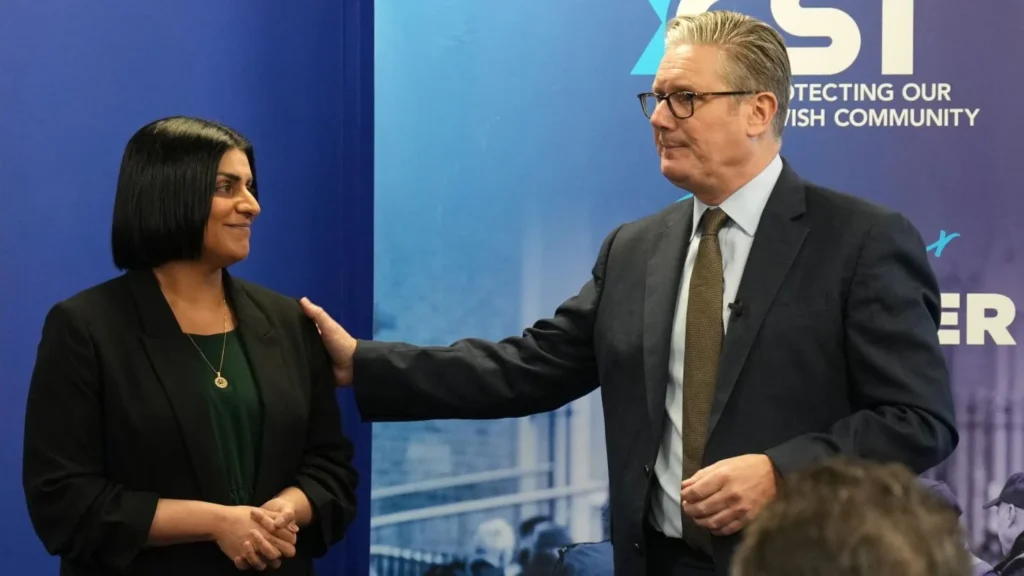
Reports say the UK Home Secretary Shabana Mahmood cancelled Uygur’s Electronic Travel Authorisation before his departure. Officials said the decision was based on concerns that his presence could affect public order and community relations.
Uygur has publicly criticised Israel’s military actions in Gaza, describing them as genocide. Supporters of the decision argue that such statements can be seen as controversial and may increase tensions, while critics say the move limits free expression.
The Oxford Union president criticized the timing of the ban, saying the events had been planned for months. The organisation said it is considering options to still hold the discussions, including hosting them online to ensure the debate continues.
This case has drawn wider attention in Britain, where several foreign speakers have recently been denied entry. Some government critics say the policy risks being used too broadly, while officials argue it is necessary for national security and public safety.
In April, authorities introduced a task force to review rules on individuals considered a threat to public order. The government has also banned other speakers in similar cases, citing online activity and concerns over extremism or hate speech.
This ongoing debate highlights the tension between free speech and public policy in the UK. Supporters of stricter controls say they protect communities, while opponents argue they can silence legitimate political opinions and academic discussion.
Officials have not released full details of the internal assessment, citing security sensitivity. However, they confirmed that each case is reviewed individually based on risk and public interest considerations.
The Electronic Travel Authorisation system is used by the UK to screen travellers before arrival. It allows authorities to approve or deny entry based on security and public interest checks. It has become a key tool in recent border policy changes.
SXSW London is part of a global festival known for technology, film, and music. Speakers from around the world attend to share ideas, network, and present new projects. The event is considered important for cultural and creative industries.
The Oxford Union is a well-known student debating society in the United Kingdom. It regularly invites global figures to speak and debate on major political and social issues. Its events often attract international media attention.
The decision has received mixed reactions online. Some users and commentators support the move, saying it is needed to prevent division. Others argue that banning speakers sets a worrying precedent for open debate.
Experts say similar decisions have increased in recent years as governments respond more strongly to online speech and global conflicts. Immigration and border rules are now more closely linked to public communication and political content.
Free speech groups continue to watch these cases closely. They say that governments must balance security with open debate. Universities and public events are often at the center of this debate because they host controversial speakers.
Earlier this year, other speakers were also denied entry to the UK under similar rules. In one case, a US-based religious speaker was blocked after social media posts raised concerns for officials. These decisions show a growing pattern in border enforcement linked to online speech.
Legal experts say the use of entry bans is likely to remain controversial. Supporters see it as a necessary safeguard. Critics say it may affect academic freedom and international exchange. The discussion is expected to continue as more events approach and governments refine their policies.
Both commentators have said they will continue speaking publicly despite the ban.