
UK Grid Faces Heat Power Pressure
The United Kingdom’s electricity grid is facing growing pressure as high temperatures and weak wind generation reduce available power supplies. The National Energy System Operator has issued a second Electricity Margin Notice for Friday evening, asking power producers and suppliers to provide additional electricity to strengthen the national grid during peak demand. The warning comes
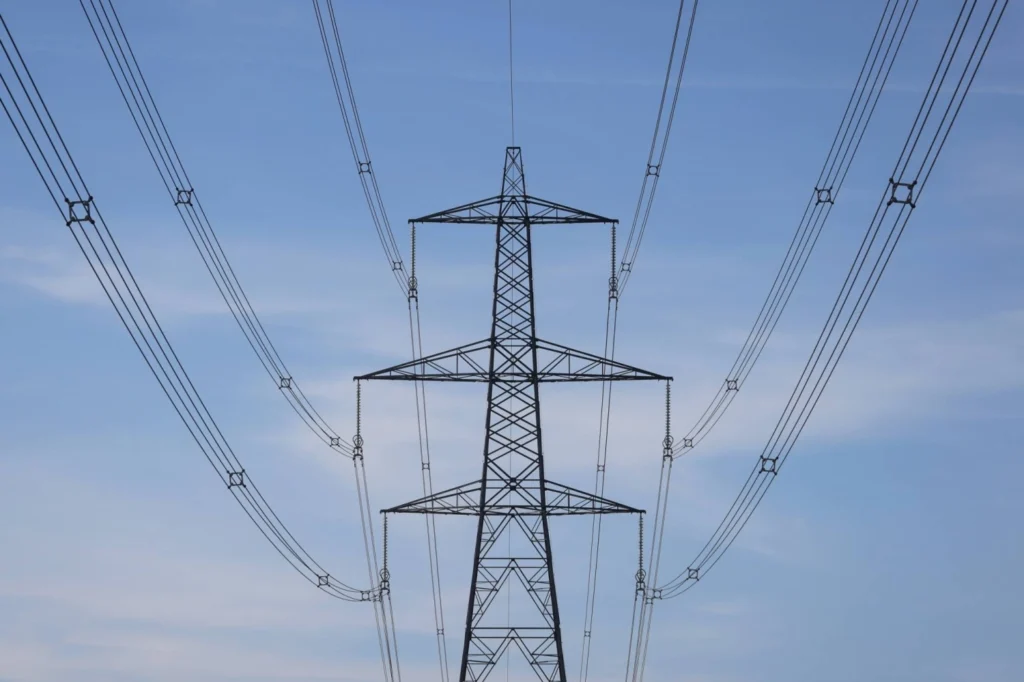
The United Kingdom's electricity grid is facing growing pressure as high temperatures and weak wind generation reduce available power supplies. The National Energy System Operator has issued a second Electricity Margin Notice for Friday evening, asking power producers and suppliers to provide additional electricity to strengthen the national grid during peak demand.
The warning comes as much of Europe experiences unusually hot weather. While temperatures in the United Kingdom have been lower than in several neighboring countries, the heat has still increased electricity demand, especially for cooling. At the same time, renewable energy production has fallen because of weak winds, placing extra pressure on the power system.
The National Energy System Operator said it expects a reserve shortfall of about 671 megawatts between 7 p.m. and 10 p.m. local time. To reduce the risk of supply shortages, the operator has asked generators, electricity suppliers, and other market participants to make more capacity available during the evening peak.
Electricity Margin Notices are commonly issued during the winter when cold weather increases demand and low wind reduces renewable generation. Summer warnings are much less common. The latest notices show how changing weather patterns are creating new challenges for electricity networks throughout Europe.
One of the biggest challenges comes during the evening. Solar power production drops sharply after sunset, but electricity demand often remains high. This means the grid operator must rely more heavily on other power sources, particularly gas-fired power stations, to keep the electricity system balanced.
Demand on Friday evening is expected to reach just below 36 gigawatts. Although this is slightly lower than Thursday's expected peak, electricity supplies remain tight because wind farms are generating far less power than normal. Forecasts show average wind generation of around 5 gigawatts during the day, well below the average of about 9 gigawatts recorded so far this year.
The United Kingdom's electricity network is closely linked with neighboring countries through undersea interconnectors. These connections normally allow Britain to import electricity when needed. However, extreme heat across continental Europe has increased electricity demand in many countries, reducing the amount of power available for export.
France is facing similar difficulties as high river temperatures affect nuclear power production. Several nuclear reactors use river water for cooling. When water temperatures become too high, operators may need to reduce electricity generation to protect the environment and maintain safe operating conditions. Reports suggest that as much as 18 gigawatts of French nuclear capacity could face temporary reductions, limiting electricity exports to Britain.
The tighter market has already affected electricity prices. Intraday power prices for Friday evening have risen above £200 per megawatt-hour. The increase suggests that traders expect electricity supplies to remain under pressure during the evening period.
The National Energy System Operator aims to maintain an operating reserve of 700 megawatts at all times to protect the electricity system. On Friday, however, around 1.1 gigawatts of available generation cannot be included in that reserve because of transmission constraints on the network. This reduces the safety margin available to manage unexpected events.
During periods of high demand, the system operator can pay power stations to increase electricity production through the balancing market. Recent industry data show that gas-fired power plants earned about £10 million through balancing services between June 22 and June 25 as they helped stabilize the grid during periods of stress.
Officials stressed that an Electricity Margin Notice does not mean power cuts or blackouts are expected. The notice is a routine market tool used to encourage additional electricity supplies from generators, interconnectors, and demand-side providers. The latest warnings highlight the growing challenges facing the UK Power Supply system as extreme weather, changing energy demand, and lower renewable output continue to test the resilience of the country's electricity network.