
UK Levelling Up Projects Delay Raises Fresh Questions
Many projects funded under the United Kingdom’s levelling up programme remain unfinished years after money was allocated, according to reporting published on October 24. The findings have renewed questions about how public funds are managed and whether local communities are receiving the improvements they were promised. The programme was designed to reduce gaps between regions,
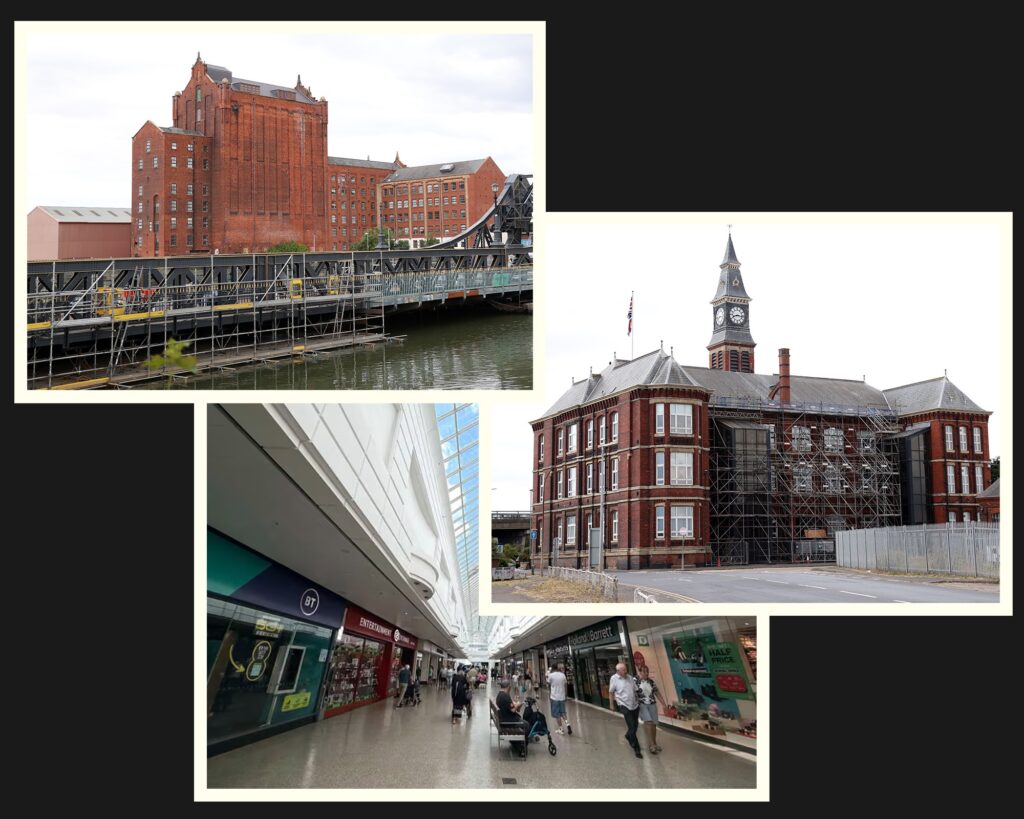
Many projects funded under the United Kingdom's levelling up programme remain unfinished years after money was allocated, according to reporting published on October 24. The findings have renewed questions about how public funds are managed and whether local communities are receiving the improvements they were promised. The programme was designed to reduce gaps between regions, but delays have left some residents waiting for planned changes to their towns and cities.
Levelling up became a major political goal as governments sought to improve areas that had seen fewer jobs, weaker services, or lower levels of investment. The programme supported a range of local projects, including plans to improve public spaces, town centres, transport, and community facilities. The aim was to help places that felt left behind by economic growth concentrated in larger cities or more prosperous regions.
Funding announcements can create high expectations. Residents may expect a derelict building to be restored, a town centre to become more attractive, or a public facility to reopen. But a grant does not mean that a project will be completed at once. Local authorities may need to secure planning approval, appoint contractors, obtain extra funding, or deal with rising construction costs. These steps can take time, especially when a project is complex.
Delays can also increase the final cost. Prices for labour, building materials, and energy may change between the time a project is approved and the time work begins. If costs rise, councils may need to revise plans or seek more money. In some cases, the original budget may no longer cover the work that was promised. Such problems can leave projects stalled while officials decide whether to reduce the scope or find new funding.
The issue is important because public investment is meant to create lasting benefits. A completed project may support local jobs, bring visitors into a town centre, or give residents access to better services. An unfinished site, by contrast, may remain unused and create frustration. People may also lose confidence in government promises if they see money announced but little visible progress.
Local authorities face their own financial pressures. Many councils must provide essential services while managing limited budgets. They may have to divide staff time between grant-funded projects and day-to-day duties such as social care, road repairs, waste collection, and housing support. When a project runs into trouble, councils may lack the spare money or staff needed to resolve it quickly.
The findings also raise questions about how the programme was monitored. Good public spending requires clear goals, regular checks, and open reporting on progress. Officials need to know whether a project is on schedule, whether costs are rising, and whether the intended benefits are likely to be delivered. If problems are found early, governments may be able to change plans before more money is lost.
The political debate is likely to focus on responsibility. National leaders set the programme and allocate funding, while local bodies often carry out the work. Contractors and other partners may also affect delivery. A fair review must examine the reasons for each delay rather than assume that every unfinished project has failed for the same reason.
The wider lesson is that announcing funding is only the first step in public investment. Communities need projects that are completed, useful, and affordable to maintain. The government will face pressure to explain what has gone wrong and how it plans to improve delivery. For residents in towns still waiting for promised improvements, the key question is simple: when will the money translate into visible results?
UK Gas Standing Charges Set for Major Reform

UK Budget Economic Pressure Shapes Government Plans

Britain EU Industrial Rules Remain Key Issue in Talks
UK Business Financial Distress Reaches a Two Decade High

Slow Construction Threatens Britain’s Housing and Growth Plans
Thousands of British Homes Remain Without Power After Storms