UK Sustainable Aviation Fuel Fund Boosts Green Flight
The UK government has announced a major funding package aimed at accelerating the growth of the UK Sustainable Aviation Fuel industry. The plan is designed to boost green jet fuel production, cut aviation emissions, and support long-term climate goals. The new Low Carbon Fuels Fund will provide £219 million in total support, with £93 million
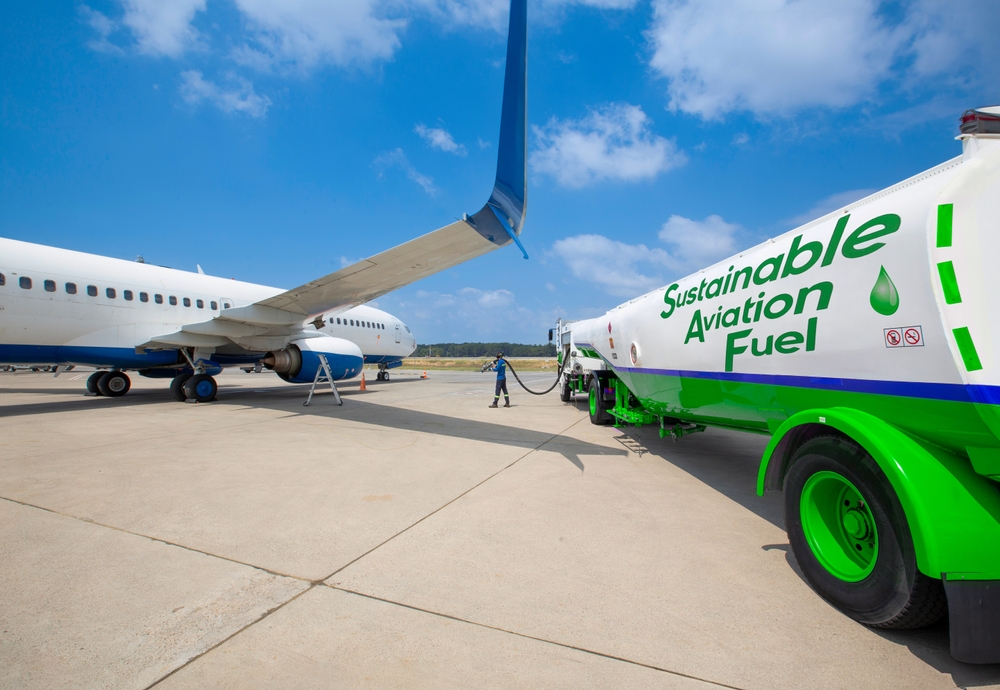
The UK government has announced a major funding package aimed at accelerating the growth of the UK Sustainable Aviation Fuel industry. The plan is designed to boost green jet fuel production, cut aviation emissions, and support long-term climate goals.
The new Low Carbon Fuels Fund will provide £219 million in total support, with £93 million allocated over the next two years. The funding will help companies develop and scale projects that produce cleaner aviation fuels. Applications are expected to open in mid-July, with priority given to projects closest to commercial production.
The initiative is part of the government’s wider strategy to reduce emissions from aviation while supporting economic growth and industrial development. Officials say the investment will help the United Kingdom become a global leader in sustainable jet fuel production.
Aviation, Maritime and Decarbonisation Minister Keir Mather said the funding marks a new stage in the country’s green aviation strategy. He said the investment will support innovation, create skilled jobs, and make air travel cleaner in the future.
He added that the program is expected to unlock new economic opportunities while helping the aviation sector move closer to net zero targets. The government estimates that the sustainable aviation fuel sector could contribute up to £5 billion to the UK economy by 2050.
Sustainable aviation fuel, often called SAF, is produced from renewable or waste-based materials instead of fossil fuels. It can be used in existing aircraft engines and airport systems without major modifications, making it one of the most practical options for reducing aviation emissions in the short term.
Government data suggests that SAF can reduce greenhouse gas emissions by around 70 percent compared with traditional jet fuel over its full lifecycle. This makes it a key part of global efforts to decarbonize air travel.
The new Low Carbon Fuels Fund builds on earlier government support, including nearly £198 million already invested through the Advanced Fuels Fund since 2022. That program helped early-stage projects develop cleaner fuel technologies and testing systems.
The latest funding round will focus on projects that are further along in development. The aim is to help companies move from research and testing into full commercial production. Officials say this approach will speed up the availability of sustainable fuel in the aviation market.
Industry experts say demand for low-carbon aviation solutions is increasing worldwide. Airlines and governments are under pressure to reduce emissions while maintaining travel demand and economic growth. This has created strong interest in large-scale sustainable fuel production.
The UK government believes the new funding will also attract private investment into the sector. By reducing financial risk for companies, officials hope to encourage more businesses to build production facilities in the country.
The expansion of SAF production is also expected to create thousands of skilled jobs. These include roles in engineering, manufacturing, construction, and scientific research. Officials say this could support long-term employment growth in industrial regions across the UK.
The government also highlighted the importance of building a stable domestic supply chain. Producing sustainable aviation fuel locally could reduce reliance on imports and strengthen energy security while supporting climate goals.
Alongside the funding announcement, the government has launched a Call for Evidence on its Sustainable Aviation Fuel Mandate. This policy requires airlines and fuel suppliers to gradually increase the share of sustainable fuel used in UK aviation.
Under current targets, SAF must make up at least 2 percent of aviation fuel from 2025. This is expected to rise to 10 percent by 2030 and 22 percent by 2040. Officials said these targets remain in place and are not being reduced.
The review will examine global supply trends and assess how the market can meet future demand. It will also help ensure that policy supports long-term growth in sustainable fuel production.
Experts say combining financial support with clear regulation is essential for building a strong green fuel industry. It helps companies invest with confidence while ensuring long-term demand for cleaner fuels.
The UK government says its overall strategy is focused on making aviation cleaner without slowing down economic growth. By supporting innovation and scaling production, officials hope to position the country at the forefront of sustainable aviation technology.
As the industry evolves, sustainable aviation fuel is expected to play a central role in reducing emissions while keeping air travel accessible. The new funding marks another step toward that goal.