
UK Welfare Spending Reform Faces Fresh Debate
The debate over UK welfare spending reform has gained new attention as Prime Minister Andy Burnham begins his term in office with a series of new spending proposals. As the government considers ways to finance its policy agenda, discussions have turned to the country’s growing welfare budget and whether changes could help support future public
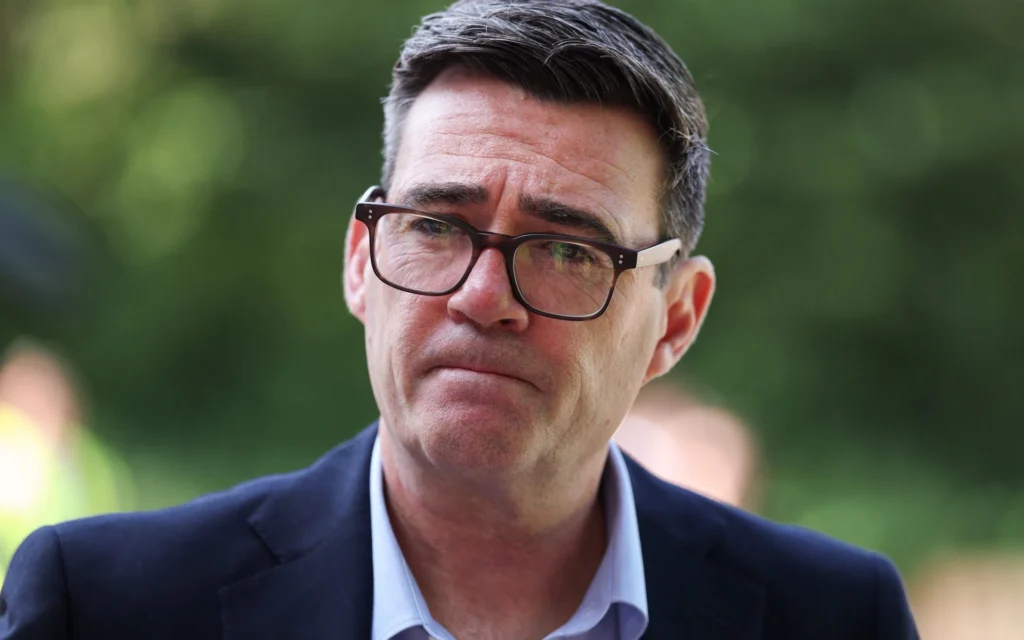
The debate over UK welfare spending reform has gained new attention as Prime Minister Andy Burnham begins his term in office with a series of new spending proposals. As the government considers ways to finance its policy agenda, discussions have turned to the country's growing welfare budget and whether changes could help support future public spending.
During his first week as prime minister, Burnham announced several measures aimed at helping households with the cost of living. These include plans to cap bus fares and reduce electricity costs for consumers. More policy announcements are expected in the coming weeks.
The proposed measures have raised questions about how the government will fund additional spending. Analysts say the administration could increase borrowing, adjust tax policy, or identify savings in other areas of public expenditure.
One of the largest areas of government spending is welfare. Current public spending on pensions, disability support, unemployment benefits, and other assistance programs totals about £333 billion each year.
The welfare budget represents roughly one-quarter of total government spending. It is also larger than government spending on health and social care combined.
Official forecasts suggest welfare spending could continue to rise during the rest of the decade. An aging population, increasing healthcare needs, and higher numbers of benefit recipients are expected to place additional pressure on public finances.
Economic experts say these long-term trends have increased interest in possible reforms that could improve the sustainability of the welfare system while protecting support for those most in need.
Public opinion on welfare reform remains mixed. Some recent surveys suggest many voters support reviewing government spending if savings help strengthen the economy or fund other national priorities.
At the same time, welfare policy remains one of the most politically sensitive issues in British politics. Previous governments have faced significant opposition when proposing changes to benefits and public support programs.
Former Prime Minister Keir Starmer faced criticism after plans to reduce some disability benefits met resistance. His government later introduced additional spending by removing the two-child benefit cap.
Burnham has previously acknowledged that broad reductions in welfare spending can generate strong public concern. He has said reforms should be carefully designed to avoid creating unnecessary hardship for vulnerable people.
One area receiving attention is the state pension system. Nearly half of the welfare budget is spent on pensions.
Some economists have suggested reviewing the triple lock, which guarantees annual pension increases based on the highest of wage growth, inflation, or 2.5 percent. Supporters of reform argue that changing the formula could reduce future government spending while maintaining pension growth.
Others believe the current system remains important for protecting retirees against rising living costs and should remain unchanged.
Another topic under discussion is disability and sickness benefits. The number of people receiving Personal Independence Payment has increased significantly in recent years.
Experts say benefit spending has risen as more people claim support for both physical and mental health conditions. Some policy specialists have suggested reviewing eligibility rules, improving assessments, and expanding employment support for people who are able to work.
Several research organizations have also proposed simplifying parts of the Universal Credit system. They argue that reducing administrative complexity and improving incentives to enter employment could lower costs while helping more people join the workforce.
Supporters of reform say any changes should balance financial responsibility with strong social protection. They believe the welfare system should continue supporting people facing illness, disability, unemployment, or financial hardship while remaining sustainable over the long term.
Critics caution that reducing benefits without sufficient safeguards could increase financial pressure on vulnerable households. They argue reforms should be introduced gradually and supported by employment programs, healthcare services, and targeted assistance.
As Burnham's government develops its economic agenda, decisions about public spending and welfare policy are expected to remain central issues. Future discussions will likely focus on balancing investment in new government priorities with maintaining a welfare system that supports those who need it while ensuring long-term fiscal stability.
Train Driver Toilet Access Dispute Raises Concerns

Bahrain Spyware Lawsuit Ruling Moves Ahead

Burnham Hosts Zelenskyy as UK Reaffirms Support for Ukraine

Burnham says Britain will put national interests first

Iran UK War Warning Raises Regional Tensions

UK Muslim Convention Opens With Extra Security