
Venezuela Gold Reserves Release Request Grows
Venezuela has announced plans to formally request the release of its gold reserves that remain frozen in the United Kingdom. Officials say the funds would be used to support recovery efforts following the powerful earthquakes that struck the country in June. Acting President Delcy Rodríguez said on Wednesday that she will send a letter to
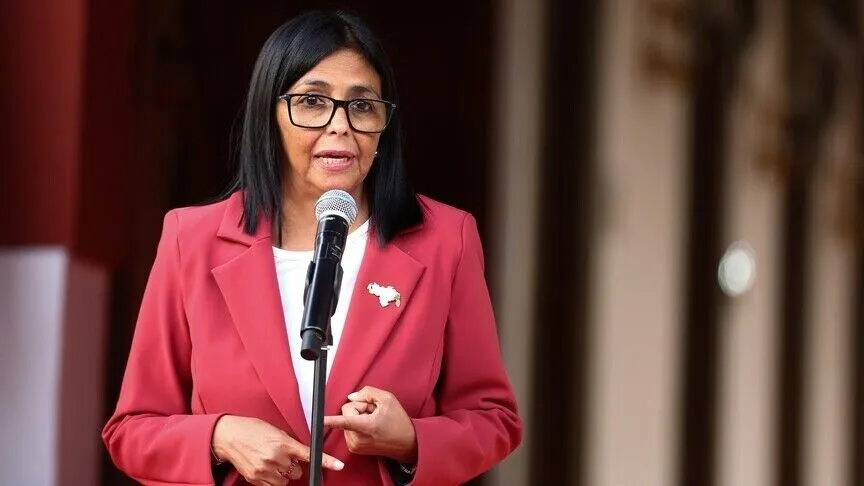
Venezuela has announced plans to formally request the release of its gold reserves that remain frozen in the United Kingdom. Officials say the funds would be used to support recovery efforts following the powerful earthquakes that struck the country in June.
Acting President Delcy Rodríguez said on Wednesday that she will send a letter to King Charles III asking for the release of about 30 tons of Venezuelan gold held at the Bank of England.
According to Rodríguez, the government wants to use the assets to help communities affected by the twin earthquakes that hit the country on June 24.
She said the gold belongs to the Venezuelan people and should be made available to support relief efforts and rebuild damaged areas.
The government plans to direct the funds toward reconstruction projects, restoring public services, creating jobs, and helping local economies recover from the disaster.
Rodríguez said access to the country's sovereign assets would allow authorities to speed up rebuilding work and improve support for families affected by the earthquakes.
She added that restoring schools and expanding employment opportunities are among the government's priorities as recovery efforts continue.
The request comes as Venezuela seeks greater access to financial resources that have been frozen under international sanctions.
The country's gold reserves remain at the Bank of England, where they have been the subject of legal and political disputes for several years.
Rodríguez also confirmed that she recently spoke by telephone with International Monetary Fund Managing Director Kristalina Georgieva.
According to the Venezuelan government, the discussion included the issue of releasing the country's frozen assets and the importance of supporting post-earthquake recovery.
Officials have not released further details about the conversation or any possible next steps following the call.
The earthquakes struck Venezuela on June 24 and caused widespread damage across affected regions.
According to the United States Geological Survey, the first earthquake measured magnitude 7.2. Just 39 seconds later, a second earthquake with a magnitude of 7.5 struck the country.
The powerful back-to-back earthquakes damaged homes, public buildings, roads, and essential infrastructure in several communities.
The destruction led to a large humanitarian response involving national authorities and international aid organizations working to provide emergency assistance.
Recovery efforts remain ongoing as officials continue to assess damage and restore basic services in affected areas.
The Venezuelan government says additional financial resources are needed to rebuild infrastructure and help communities return to normal life.
Authorities believe access to the frozen gold reserves would provide funding for reconstruction projects without increasing financial pressure on the country.
The Bank of England has held the gold reserves for many years, but access has been restricted because of legal disputes and sanctions involving Venezuela.
The latest request marks another effort by Venezuelan officials to regain control of the country's overseas assets.
Whether the request will lead to the release of the gold remains uncertain. Decisions involving frozen sovereign assets often involve legal, diplomatic, and financial considerations.
For now, the Venezuelan government says its priority is helping communities recover from one of the country's most destructive natural disasters in recent years.
Officials continue to call for access to the gold reserves, arguing that the assets should be used to support reconstruction, strengthen public services, revive economic activity, and improve living conditions for people affected by the June earthquakes.