
Democrats Reassert DEI as Core Value at NYC Summit
Democratic leaders used a high-profile conference in New York to firmly defend diversity, equity, and inclusion policies, pushing back against growing political opposition. The gathering marked a clear shift after months of muted messaging around DEI within the party. According to Britain Chronicle analysis, the renewed emphasis signals a strategic recalibration as Democrats seek to
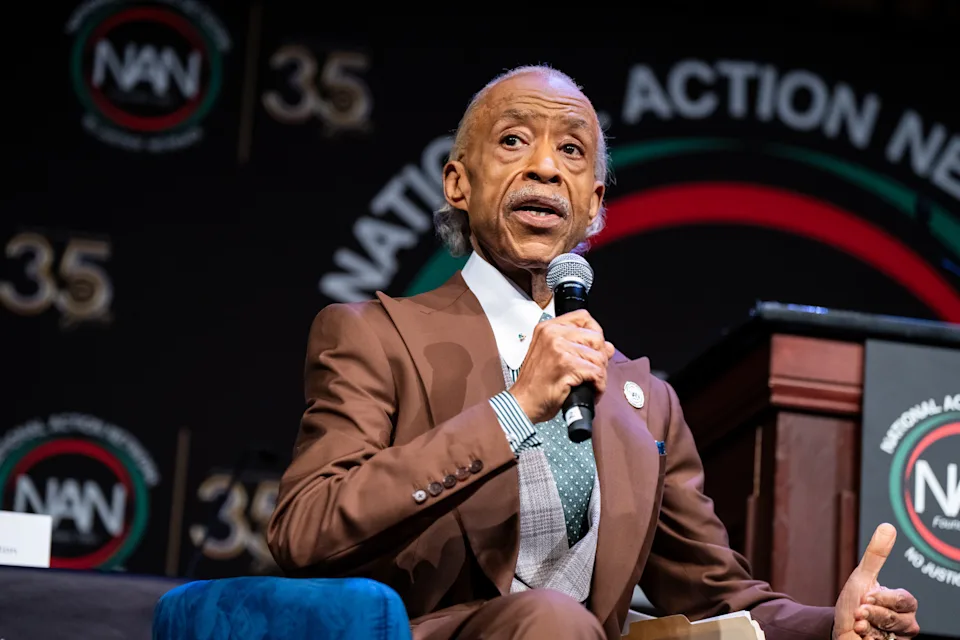
Democratic leaders used a high-profile conference in New York to firmly defend diversity, equity, and inclusion policies, pushing back against growing political opposition. The gathering marked a clear shift after months of muted messaging around DEI within the party.
According to Britain Chronicle analysis, the renewed emphasis signals a strategic recalibration as Democrats seek to reconnect with core voter groups while drawing sharper contrasts with Republican policy positions.
The moment comes as debates over civil rights, workplace policies, and federal authority intensify ahead of the next election cycle, placing DEI at the center of a broader political and cultural divide.
What Happened?
At the annual conference hosted by the National Action Network in New York, several prominent Democratic figures delivered a coordinated defense of DEI initiatives. The event brought together activists, elected officials, and potential presidential contenders.
House Minority Leader Hakeem Jeffries argued that diversity policies reflect fundamental American principles. He accused Republican leaders of attempting to weaken civil rights protections and mischaracterizing DEI as un-American.
The debate over DEI has intensified since policies expanded across institutions following the 2020 protests after the killing of George Floyd. These initiatives aimed to address racial inequality in hiring, education, and public services.
However, Republican leaders, including Donald Trump, have taken a sharply different stance. Since returning to office, Trump has implemented measures to eliminate DEI programs within federal agencies and extended those requirements to government contractors.
Democratic governors also used the conference to highlight state-level efforts. Josh Shapiro emphasized continued investment in diversity programs in Pennsylvania, while Wes Moore pointed to Maryland’s policies supporting minority businesses and economic mobility.
Other figures, including JB Pritzker and Andy Beshear, reinforced similar commitments, despite political resistance in their respective states.
Why This Matters
The renewed defense of DEI highlights a defining political fault line in the United States. For Democrats, these policies are framed as tools to address longstanding inequality and expand opportunity.
For Republicans, the same policies are often portrayed as divisive or discriminatory, particularly in relation to hiring and education practices. This disagreement has moved beyond rhetoric into concrete policy actions at both the federal and state levels.
The issue also carries electoral weight. Black voters, a key Democratic constituency, often view attacks on DEI as part of a broader rollback of civil rights protections. Re-engaging these voters could prove critical in upcoming elections.
At the same time, some Democrats remain cautious. Internal debates continue over whether a strong focus on identity-based policies may alienate certain segments of the electorate, particularly working-class voters across different backgrounds.
What Analysts or Officials Are Saying
Civil rights leaders at the conference stressed that DEI policies are directly linked to economic and social mobility. Al Sharpton, who founded the National Action Network, urged political leaders to address racial disparities with concrete policies rather than broad messaging.
Influential Democratic figures such as James Clyburn signaled that support for DEI is closely tied to core party values. He suggested that abandoning such policies could weaken commitments to equality and justice.
Policy analysts note that Democratic leaders are increasingly framing DEI not as a niche issue, but as part of a broader economic agenda. This includes support for minority-owned businesses, education access, and workforce inclusion.
At the same time, critics argue that the party must carefully balance messaging to avoid reinforcing political polarization.
Britain Chronicle Analysis
The conference marks a notable shift in tone. After a period of relative caution, Democrats are once again speaking openly and forcefully about DEI. This suggests a deliberate strategy rather than a spontaneous change.
By reclaiming the narrative, party leaders aim to define DEI on their own terms before opponents shape public perception further. The framing of these policies as “American values” is particularly significant, as it seeks to reposition the debate from identity politics to national identity.
However, the approach carries risks. The political environment remains highly polarized, and DEI continues to be a contentious issue among voters. Democrats must navigate this terrain carefully to avoid reinforcing divisions while still energizing their base.
There is also a practical dimension. State-level initiatives highlighted at the conference suggest that Democrats are preparing to use local governance as a testing ground for policies that may later be expanded nationally.
What Happens Next
The debate over DEI is expected to intensify as the election cycle progresses. Democratic candidates will likely continue refining their messaging, balancing advocacy with broader economic themes.
Republican leaders, meanwhile, are expected to maintain pressure on the issue, using federal and state policies to challenge DEI frameworks. This sets the stage for a prolonged policy and messaging battle.
Attention will also turn to how voters respond. Polling and election results will provide early signals on whether the renewed emphasis on DEI strengthens Democratic support or creates new challenges.
In the longer term, the outcome of this debate could shape not only campaign strategies but also the direction of public policy on education, employment, and civil rights across the United States.
UK Nuclear Deterrent: Vital for Britain’s National Defence

Ministers Urged to Share Mandelson Vetting Files Amid Disclosure Row

UK Considers Under-16 AI Chatbot Ban Amid Safety Push

MP Calls for National Biosecurity Strategy UK at Core of Security

Connor Naismith: Why Blue Labour is True Labour

NHS Legal Anomaly Costs Billions: Calls for Urgent Reform