
Bipartisan Push Triggers House Resignations Amid Scandal
Two members of the US House of Representatives have stepped down after facing coordinated bipartisan pressure linked to serious misconduct allegations. The resignations of Democratic Rep. Eric Swalwell and Republican Rep. Tony Gonzales followed growing momentum in Congress for formal expulsion proceedings. According to Britain Chronicle analysis, the episode reflects a rare moment where cross-party
Two members of the US House of Representatives have stepped down after facing coordinated bipartisan pressure linked to serious misconduct allegations. The resignations of Democratic Rep. Eric Swalwell and Republican Rep. Tony Gonzales followed growing momentum in Congress for formal expulsion proceedings.
According to Britain Chronicle analysis, the episode reflects a rare moment where cross-party cooperation has directly influenced accountability actions inside the House, bypassing the usual slow-moving ethics process and intensifying pressure on leadership.
The developments come amid heightened sensitivity in Washington over workplace conduct, ethics enforcement, and political accountability. With only a handful of expulsions in modern US history, the sudden resignations signal a potentially sharper approach to internal discipline in Congress.
What Happened?
Two House members resigned this week after bipartisan efforts gathered enough support to potentially force expulsion votes against them.
Democratic Rep. Eric Swalwell faced allegations of sexual assault and inappropriate communications, which he has denied. Republican Rep. Tony Gonzales had been under scrutiny over a relationship involving a staff member who later died by suicide. Both lawmakers were also connected to ongoing ethics investigations.
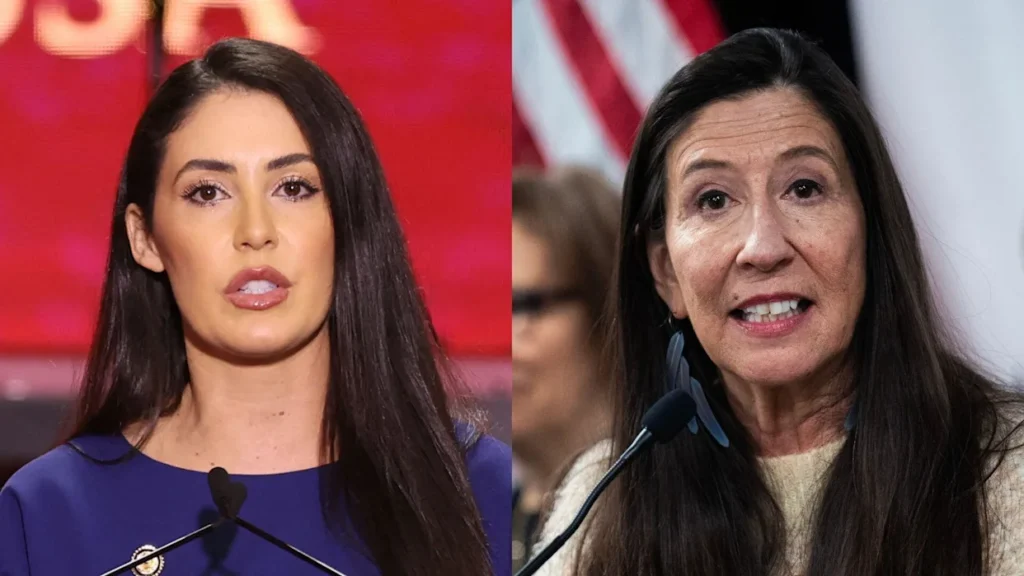
Reps. Anna Paulina Luna, a Republican, and Teresa Leger Fernández, a Democrat, worked across party lines to advance separate expulsion resolutions. Their coordinated effort helped build enough backing in the chamber that both lawmakers ultimately stepped down before formal votes could occur.
Luna said the level of removal support had already reached a two-thirds threshold, the requirement for expulsion in the House. Gonzales had already withdrawn from his reelection campaign, while Swalwell had recently exited the California gubernatorial race.
House Speaker Mike Johnson said he was not involved in the resignations but described the allegations against Swalwell as serious and concerning. The House Ethics Committee had also been reviewing both cases at the time of their departures.
Why This Matters
The resignations highlight how internal pressure, rather than formal disciplinary rulings, can still reshape the composition of Congress.
Expulsion is historically rare in the US House, requiring a two-thirds majority. That threshold has only been met a few times in modern political history, making voluntary resignation under pressure a significant alternative outcome.
The case also underscores growing political sensitivity around misconduct allegations, especially those involving staff relationships and workplace abuse claims. It raises questions about whether Congress is becoming more willing to act decisively before ethics investigations conclude.
This development also feeds into broader concerns about institutional credibility, as voters increasingly demand faster accountability from elected officials.
What Analysts or Officials Are Saying
Reps. Luna and Leger Fernández argue that the resignations were the result of coordinated pressure filling a gap left by leadership and ethics processes. They claim that without their resolutions, the lawmakers would have remained in office while investigations continued.
Luna has suggested that the Ethics Committee process is too slow to handle serious allegations effectively, describing it as a system where cases often stall. Léger Fernández, meanwhile, emphasized the need for higher standards of conduct, particularly in cases involving power imbalances.
House Ethics Committee Chair Rep. Michael Guest defended the panel’s pace, noting that complex investigations involving large volumes of evidence naturally take time. He insisted the committee is working through cases as efficiently as possible.
Meanwhile, lawmakers under scrutiny, including Rep. Cory Mills and Rep. Sheila Cherfilus-McCormick, have pushed back against comparisons, arguing that allegations against them differ in nature and severity. Both have denied wrongdoing.
Britain Chronicle Analysis
This episode signals a shift in how congressional discipline is being enforced in practice. While formal expulsion remains rare, political reality increasingly allows coordinated pressure to achieve similar outcomes without a final vote.
The bipartisan nature of the effort is particularly notable. In a deeply divided Congress, cooperation between opposing parties on accountability issues is unusual and suggests that ethical controversies can still override partisan instincts when public scrutiny intensifies.
However, this also raises concerns about process. When resignations are driven by anticipated expulsion rather than completed investigations, it can blur the line between due process and political pressure. That tension will likely become more pronounced as similar cases emerge.
For Congress, the broader risk is inconsistency. If pressure campaigns become the primary mechanism for removing members, standards may appear uneven, potentially weakening trust in formal ethics procedures.
What Happens Next
More lawmakers could come under similar pressure as ongoing ethics investigations continue across the House.
Reps. Luna and Leger Fernández have both indicated that additional expulsion efforts may follow if evidence meets the required threshold. Names already mentioned include members currently facing scrutiny from the Ethics Committee and federal prosecutors.
The Ethics Committee is expected to release further findings in ongoing cases in the coming weeks, which could intensify political pressure on several members.
If more resignations follow, it could mark the beginning of a broader shift in how misconduct cases are resolved in Congress—moving from formal rulings to rapid political consequences driven by cross-party coordination.
UK Nuclear Deterrent: Vital for Britain’s National Defence

Ministers Urged to Share Mandelson Vetting Files Amid Disclosure Row

UK Considers Under-16 AI Chatbot Ban Amid Safety Push

MP Calls for National Biosecurity Strategy UK at Core of Security

Connor Naismith: Why Blue Labour is True Labour

NHS Legal Anomaly Costs Billions: Calls for Urgent Reform