UK mine sweeper plan for Hormuz coalition move
Britain is preparing a mine-sweeping operation in the Strait of Hormuz as part of a wider Franco-British plan aimed at reopening one of the world’s most important shipping routes once a ceasefire and political agreement allow safe passage for commercial vessels. The UK initiative comes after months of disruption in the region, where the closure
Britain is preparing a mine-sweeping operation in the Strait of Hormuz as part of a wider Franco-British plan aimed at reopening one of the world’s most important shipping routes once a ceasefire and political agreement allow safe passage for commercial vessels.
The UK initiative comes after months of disruption in the region, where the closure of the strait has affected global energy flows and raised costs for fuel, food, and industrial goods. British officials say the mission is defensive in nature and will only proceed once hostilities fully end and a diplomatic settlement is in place.
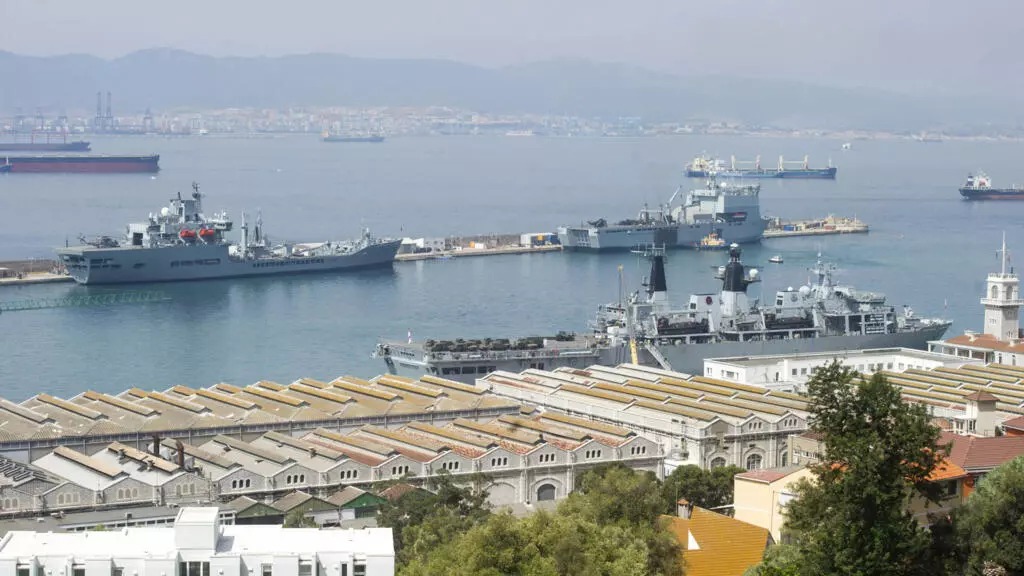
Hundreds of British naval personnel are currently training aboard the Royal Fleet Auxiliary vessel RFA Lyme Bay near Gibraltar. The ship is being prepared with ammunition supplies, sonar-equipped mine-hunting drones, and support systems designed to detect and neutralise underwater threats in contested waters.
The deployment plan also includes coordination with the Royal Navy destroyer HMS Dragon and allied European naval forces. Together, they would form a multinational task group expected to travel through the Suez Canal into the Persian Gulf as part of a broader coalition effort led by Britain and France.
The preparations reflect growing cooperation between London and Paris on maritime security in the region. Both governments have been working with multiple international partners to design a framework that would protect commercial shipping lanes, restore insurer confidence, and support a phased reopening of the strait.
The mission planning is being coordinated under the leadership of UK Armed Forces Minister Al Carns Al Carns, who has described the effort as a practical response to a complex geopolitical crisis. He has argued that the UK is capable of coordinating a large international coalition to address maritime security challenges even without initiating the conflict.
Officials say the operation would begin in phases. The first step would focus on clearing a safe transit lane to allow stranded ships to exit the Gulf region. An estimated 700 vessels have reportedly been unable to move freely due to restricted access and security risks.
A second phase would expand clearance operations to allow inbound shipping to resume normal traffic. However, experts warn that full demining of the strait could take months or even years, depending on the extent of underwater threats and unexploded devices.
Military planners are preparing for multiple scenarios, including the possibility that Iran may have deployed different types of naval mines. These could include seabed devices and remotely triggered systems designed to disrupt shipping routes and naval movement.
The Royal Navy’s Mine and Threat Exploitation Group has been developing autonomous sonar systems capable of scanning large underwater areas more quickly than traditional crewed vessels. These technologies are expected to play a key role in any future clearance operation.
Despite these preparations, uncertainty remains over whether mines have actually been laid in significant numbers. Some reports suggest that while tensions have been high, there is limited confirmed evidence of large-scale mining in the strait so far.
The military effort is closely tied to ongoing diplomatic negotiations involving the United States and Iran. Talks have continued in parallel with ceasefire arrangements that have been in place since early April, though both sides remain cautious about reaching a final agreement.
US Secretary of State Marco Rubio Marco Rubio has said that progress is possible but warned that Washington would pursue alternative measures if negotiations fail. He said proposals under discussion could include reopening the strait in exchange for broader political concessions.
Iranian officials have acknowledged partial progress in talks but insist that no final agreement is close. They have also raised concerns about sanctions relief, frozen assets, and nuclear restrictions being linked to maritime access.
Under the emerging framework, discussions would likely extend to broader regional issues, including nuclear oversight, energy security, and conflicts involving multiple Middle Eastern actors.
Financial markets have reacted cautiously to the developments. Oil prices have recently fallen on expectations that diplomatic progress could ease supply constraints, though analysts warn that instability in the region continues to pose risks to global energy stability.
For now, the UK-led naval preparations remain on standby, dependent on diplomatic outcomes that will determine whether the mission transitions from planning to active deployment in one of the world’s most sensitive maritime corridors.