
Ceuta Migrant Crisis Impact Sparks Political Debate
The recent migrant surge into the Spanish territory of Ceuta has triggered political debate across Europe, raised concerns about border security, and highlighted the growing influence of social media on migration movements. Spanish authorities say most of the tens of thousands of migrants who entered Ceuta from Morocco have now returned. Many were escorted back
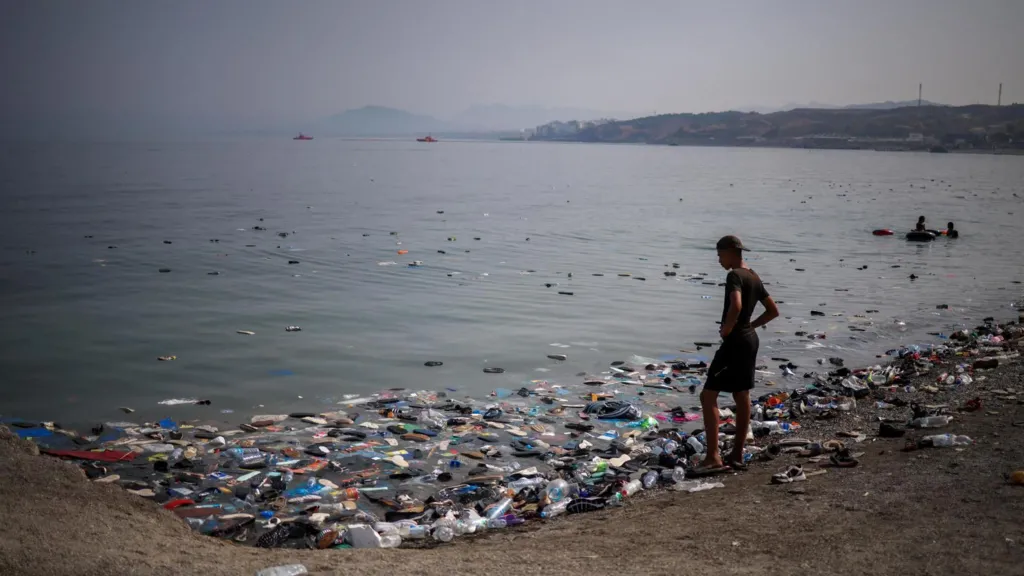
The recent migrant surge into the Spanish territory of Ceuta has triggered political debate across Europe, raised concerns about border security, and highlighted the growing influence of social media on migration movements.
Spanish authorities say most of the tens of thousands of migrants who entered Ceuta from Morocco have now returned. Many were escorted back to the border by security forces after arriving in the coastal enclave earlier this week.
The incident has become one of the most significant migration events in Europe this year. Officials are continuing to assess its humanitarian, political, and security implications.
According to reports, at least 67 people lost their lives during the crossings. Rescue teams recovered bodies from the sea as authorities worked to respond to the emergency.
The tragedy has renewed attention on the dangers faced by migrants attempting irregular journeys across water routes. Experts note that even short crossings can become life-threatening due to weather conditions, strong currents, and overcrowding.
The events have also intensified political tensions within the European Union.
Spanish Prime Minister Pedro Sánchez criticized some European political leaders for focusing on political arguments rather than showing support during the crisis. He argued that the situation required cooperation and coordinated action.
One of the strongest reactions came from Italy. Leaders from the country's ruling conservative coalition shared images and videos of migrants entering Ceuta and used the incident to criticize Spain's migration policies.
Italian Prime Minister Giorgia Meloni later announced temporary measures affecting travel arrangements with Spain, citing security concerns linked to the migration surge.
Spanish officials strongly disagreed with that position. Madrid argues that Ceuta's unique status means migrants arriving there do not automatically gain access to mainland Europe. Government officials maintain that the situation was brought under control and did not create a broader security threat for the European Union.
Migration has become an increasingly important political issue across Europe. Several governments have called for stricter border controls and measures aimed at reducing incentives for irregular migration.
Many European leaders are expected to discuss these concerns during upcoming meetings focused on border management and migration policy.
The crisis has also sparked debate about the role of Spain's immigration policies.
Some critics point to programs that have allowed undocumented migrants to apply for legal residence and work permits. Supporters argue that Spain faces labor shortages and an aging population, making controlled immigration an important part of economic planning.
Spanish officials have stressed that the migrants involved in the Ceuta incident were not connected to those regularization programs.
Attention has also turned to the role of social media platforms.
Videos promoting travel to Ceuta spread widely online before the crossings took place. Many posts appeared to suggest that reaching Spanish territory would provide a simple route into Europe.
Investigations found that some content showed people preparing for the journey with swimming gear and flotation devices. Other posts featured videos from inside Ceuta, creating the impression that entry into Europe would be easy.
Authorities and migration experts say many of these messages were misleading. Migrants who reached Ceuta often found limited resources, no immediate path to mainland Europe, and difficult living conditions.
As a result, many quickly returned to Morocco after arriving.
Questions remain about whether the migration surge was entirely spontaneous or whether organized networks helped encourage the movement.
Officials have not publicly identified any group responsible for coordinating the crossings. Some analysts believe online misinformation may have played a major role, while others are examining whether criminal networks or other actors contributed to the event.
Moroccan authorities have blamed criminal organizations for encouraging the crossings. Meanwhile, Spanish officials continue to work closely with Morocco on border security and migration management.
The relationship between the two countries remains important because of their shared responsibility for managing migration routes in the region.
In response to the incident, Spain has increased security measures around Ceuta. Authorities are strengthening coastal barriers and expanding monitoring efforts to prevent similar events in the future.
Additional patrols have also been deployed near key border areas.
European leaders are expected to continue discussions on migration policy in the coming weeks. The crisis has renewed calls for stronger cooperation on border protection, information sharing, and efforts to combat misinformation that may encourage dangerous journeys.
While political debates continue, the human cost remains the most significant outcome of the crisis. Families on both sides of the Mediterranean are now coping with the loss of loved ones who hoped to reach a better future but instead became victims of a dangerous migration route.
The events in Ceuta have once again demonstrated the challenges Europe faces in balancing border security, humanitarian concerns, and migration management in an increasingly connected digital world.