Starmer Faces Growing Labour Party Pressure
British Prime Minister Keir Starmer continues to face intense pressure from within his own party, as poor poll numbers and internal unrest keep questions about his leadership alive. Dozens of Labour lawmakers have called on him to either resign or lay out a clear timeline for stepping aside, marking one of the most turbulent stretches
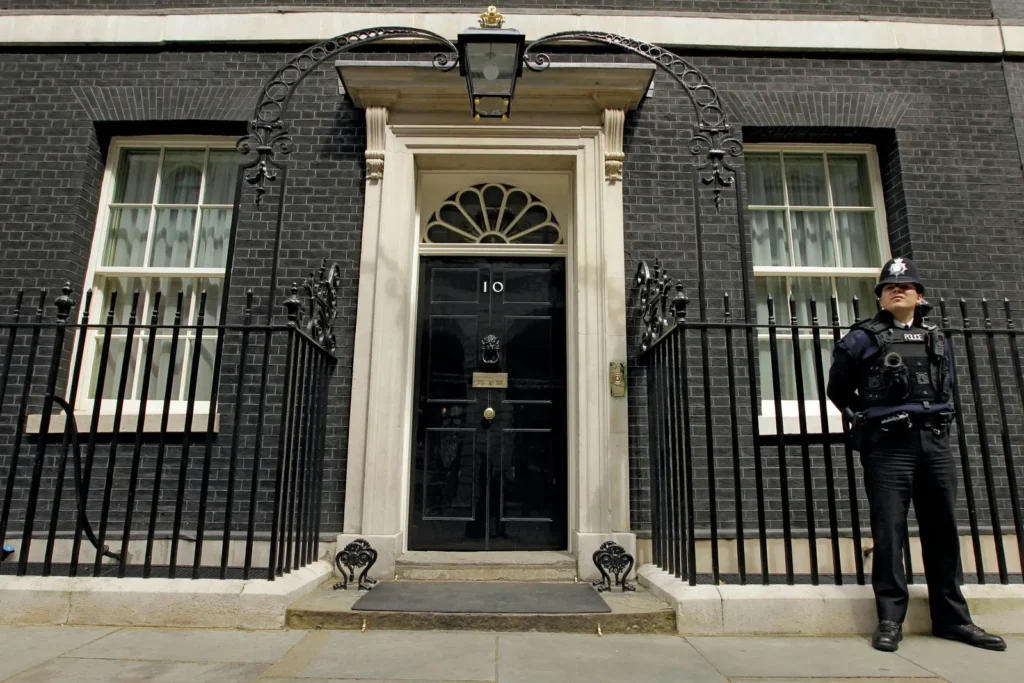
British Prime Minister Keir Starmer continues to face intense pressure from within his own party, as poor poll numbers and internal unrest keep questions about his leadership alive. Dozens of Labour lawmakers have called on him to either resign or lay out a clear timeline for stepping aside, marking one of the most turbulent stretches for a sitting British prime minister in recent memory. Starmer has firmly rejected the calls, insisting he plans to stay and lead the party through the next election.
The unrest follows a string of difficult results for Labour in recent local elections and special votes, where rival parties made notable gains at the party's expense. Critics from different wings of the party have taken aim at Starmer's record, with some attacking his approach to immigration and tax policy while others criticize his handling of foreign conflicts and social welfare reform. That mix of pressure from both left and right within his own party has made unity difficult to maintain.
Several senior figures have already left government roles in protest over policy direction, including a former health secretary and multiple junior ministers. Their departures added fuel to speculation about a possible leadership challenge, even though no formal contest has been launched. Party data suggests members remain deeply split, with roughly even numbers expressing support for Starmer and calling for him to step aside, while a large share remain undecided or silent on the matter.
Starmer has pushed back strongly against those pressing for change, warning that removing a sitting prime minister mid term would send the country into chaos. He has pointed to the instability seen under the previous government, when frequent leadership changes contributed to voter frustration and helped fuel Labour's own election win. Starmer argues that stability, even during a rough patch, serves the country better than another abrupt change at the top.
His approval ratings have slipped significantly since taking office, falling into deeply negative territory according to recent polling. Analysts note that his government came into power with a large parliamentary majority but a relatively modest share of the overall vote, a mix that has made translating electoral strength into lasting public support more difficult. Rising discontent has also opened space for opposition parties, particularly a right leaning populist party that has climbed steadily in national polling.
Party insiders say Starmer's team is working to rebuild momentum ahead of the next major electoral test, focusing on economic messaging and efforts to show tangible results from government policy. Supporters argue that a change in leadership now would only deepen instability and hand further advantage to opposition rivals already gaining ground in the polls.
Still, the pressure shows little sign of easing. Backbench lawmakers loyal to Starmer have circulated their own letters urging colleagues to avoid a leadership fight, arguing that infighting only weakens the party's chances at the next general election. Whether that message holds may depend heavily on how the government performs over the coming months, particularly on the economy and cost of living, two issues consistently ranked as top voter concerns.
For now, Starmer remains in office and shows no sign of stepping back voluntarily. How long the current uneasy balance holds within Labour ranks remains one of the most closely watched questions in British politics as the government heads toward a critical stretch ahead of future elections.