UK Police Race Case Raises Serious Questions
The UK police race case surrounding the death of 18-year-old Henry Nowak has sparked widespread public anger and renewed debate over policing practices, racial bias, and public trust in law enforcement. The case has become one of the most closely watched incidents in recent UK policing history after bodycam footage showed officers placing the seriously
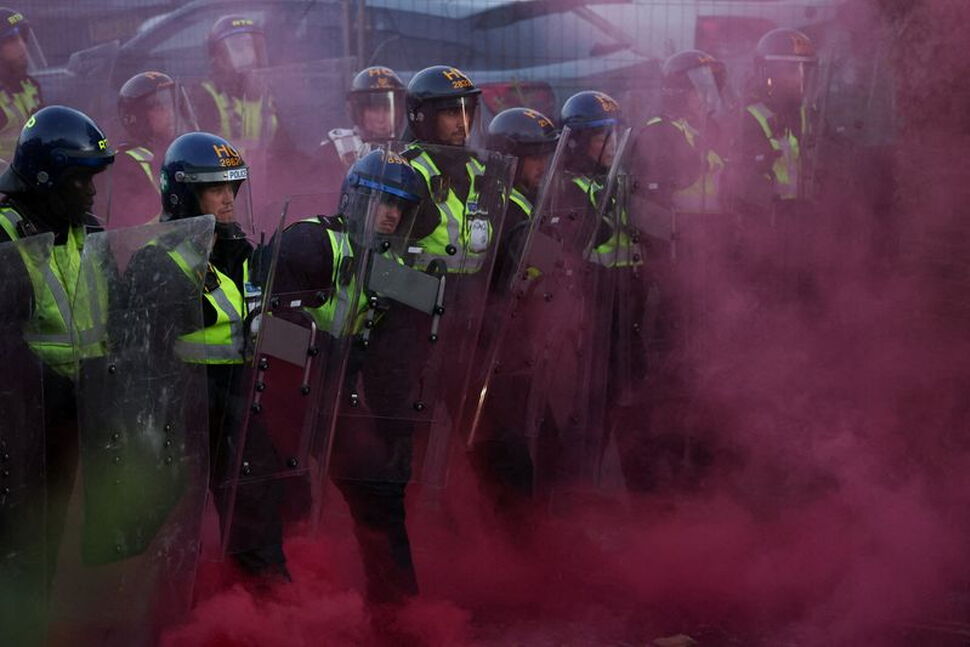
The UK police race case surrounding the death of 18-year-old Henry Nowak has sparked widespread public anger and renewed debate over policing practices, racial bias, and public trust in law enforcement.
The case has become one of the most closely watched incidents in recent UK policing history after bodycam footage showed officers placing the seriously injured teenager in handcuffs during his final moments following a stabbing in Southampton last December.
Police have issued an apology to Nowak’s family, while an independent investigation by the Independent Office for Police Conduct is still ongoing. The findings are expected to take time, but early details have already triggered national scrutiny.
Questions have been raised over why officers did not immediately prioritise medical assistance when they arrived at the scene, and why they appeared to accept a claim from the suspect, Vickrum Digwa, that he had been racially abused by the victim he had just stabbed.
The incident has intensified a wider discussion about how UK police respond to racially sensitive cases and whether recent reforms aimed at addressing discrimination may be influencing decision-making in the field.
In recent years, policing in the UK has faced repeated criticism over racial bias. Investigations and reports have highlighted problems ranging from discriminatory messaging within forces to disproportionate use of stop and search powers affecting Black communities.
High-profile cases, including the murder of Stephen Lawrence and later findings that the Metropolitan Police failed to properly investigate racist elements of that case, continue to shape public perceptions of institutional bias.
More recently, a 2022 report by the Independent Office for Police Conduct found evidence of discriminatory behaviour among officers, while a 2023 review concluded that the Metropolitan Police remained institutionally racist.
A separate undercover investigation in 2025 also exposed racist behaviour at a London police station, adding further pressure on forces across the country to reform internal culture and training.
As a result, police leadership has spent years implementing anti-bias training and new operational guidance aimed at improving fairness and rebuilding trust with minority communities.
However, the UK police race case has also reignited concerns from some serving officers and critics who argue that efforts to address bias may be influencing frontline policing decisions in unintended ways.
Some officers, speaking anonymously, have suggested that increased scrutiny and fear of accusations of racism may make officers overly cautious in sensitive situations, potentially affecting how they respond during fast-moving incidents.
The National Police Chiefs’ Council introduced a Race Action Plan in 2022 that encourages officers to respond based on individual needs and circumstances rather than applying a “colour blind” approach.
Critics argue that the wording of such guidance may create confusion about operational priorities, while supporters say it is necessary to address long-standing inequality in policing outcomes.
The National Police Chiefs’ Council has since announced a review of its race-related guidance following concerns about how it may be interpreted in the field. Government officials have also acknowledged that some of the wording in earlier documents may have been unclear.
Independent experts remain divided. Some senior former officers insist that there is no evidence of so-called “two-tier policing”, while others argue that individual failures in training and judgment, rather than policy, are more likely explanations for incidents like the Southampton case.
Legal and policing experts have stressed that officers are required to balance multiple duties, including preserving life, ensuring scene security, and managing potential criminal evidence, even in highly complex and emotional situations.
Barrister Abimbola Johnson, who worked on oversight of police race policy development, said it is important not to directly link national guidance to individual operational failures, arguing that the intention of reforms was to reduce disparities in policing outcomes.
Former senior officers have also warned against withdrawing existing race guidance entirely, saying it is essential for ensuring accountability and fairness across diverse communities.
At the same time, critics argue that public confidence is being undermined by repeated scandals and unclear communication about policing priorities.
The death of Henry Nowak has now become a focal point for these wider tensions, highlighting the challenge facing UK policing institutions as they attempt to rebuild trust while continuing efforts to eliminate discrimination.
As investigations continue, the case is expected to remain central to national debate over how police forces can ensure both fairness and consistency while responding effectively in life-threatening situations.