
Former Rep. Eliot Engel Dies at 79
Former U.S. Representative Eliot Engel, a veteran New York Democrat who spent more than four decades in public service, has died at the age of 79 following complications linked to Parkinson’s disease. According to Britain Chronicle analysis, Engel’s career reflects a generation of lawmakers who shaped U.S. foreign policy through long institutional experience rather than
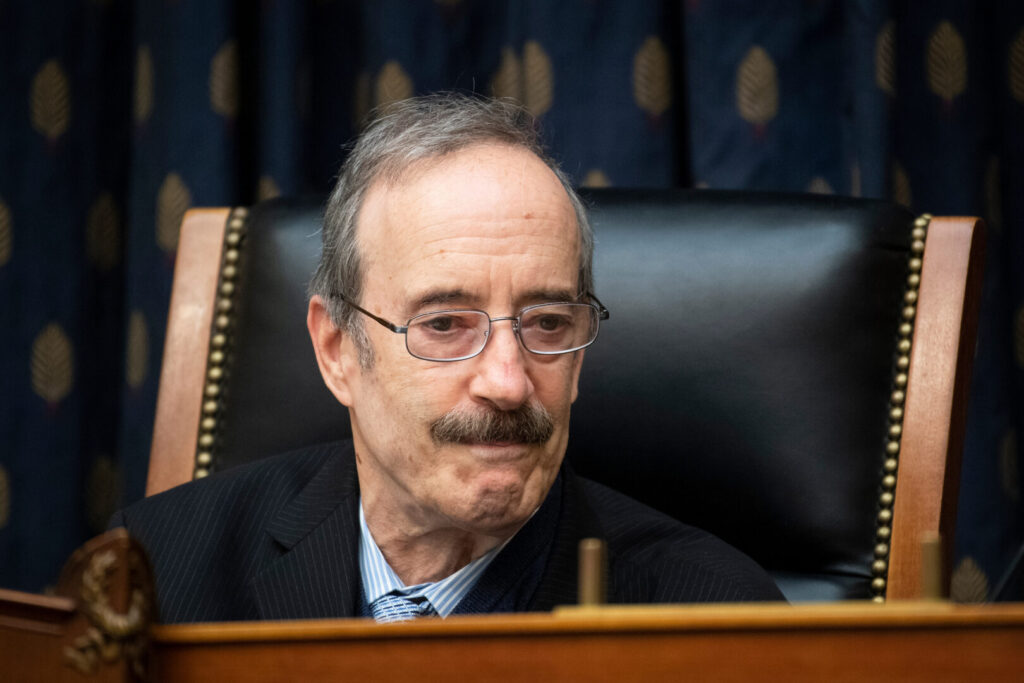
Former U.S. Representative Eliot Engel, a veteran New York Democrat who spent more than four decades in public service, has died at the age of 79 following complications linked to Parkinson’s disease.
According to Britain Chronicle analysis, Engel’s career reflects a generation of lawmakers who shaped U.S. foreign policy through long institutional experience rather than rapid political turnover.
His death marks the end of a political era defined by sustained engagement in global affairs, from the Balkans conflict to major congressional investigations in Washington.
What Happened?
Eliot Engel died on Friday at a hospital in the Bronx due to complications from Parkinson’s disease, according to his family.
Engel served in Congress for more than 30 years after first being elected in 1988, when he unseated a long-serving incumbent in a major political upset.
Over time, he rose to become a senior figure on the House Foreign Affairs Committee, eventually serving as its chair in 2019. In that role, he helped shape U.S. engagement on major international issues, including conflicts in the Balkans and global human rights initiatives.
He was a strong supporter of intervention in Kosovo during the 1990s conflict and played a role in international efforts such as the Harkin–Engel Protocol, aimed at reducing exploitative child labor in cocoa production.
Engel also participated in congressional proceedings linked to the impeachment inquiry involving Donald Trump over Ukraine-related allegations, which became one of the defining political battles of the late 2010s.
He left Congress in 2021 after losing a Democratic primary to Jamaal Bowman in a race widely seen as part of a broader generational shift within the party.
Why This Matters
Engel’s career highlights the evolution of U.S. foreign policy leadership over several decades, particularly the shift from long-serving committee chairs to newer, more ideologically driven lawmakers.
His influence extended beyond domestic politics, especially in shaping American responses to international crises in Europe and humanitarian issues in global supply chains.
The end of his tenure also reflected changing dynamics within the Democratic Party, where established incumbents increasingly face challenges from progressive challengers backed by grassroots movements.
What Analysts or Officials Are Saying
Colleagues described Engel as a committed and consistent presence in Congress, particularly on foreign affairs and constituent services.
Lawmakers from New York emphasized his advocacy for human rights and his strong engagement with diaspora communities, especially in relation to the Balkans conflict.
Current Representative George Latimer praised Engel’s dedication, noting his focus on steady legislative work and personal approach to representing constituents.
Observers note that Engel’s career illustrates how congressional influence was once closely tied to long-term committee leadership and institutional memory, a model that has become less common in today’s more polarized political environment.
Britain Chronicle Analysis
Engel’s passing underscores the gradual disappearance of a generation of lawmakers who built influence through committee expertise rather than media visibility or rapid political branding.
His role in foreign affairs reflected a period when bipartisan consensus on international intervention and global human rights was more structurally embedded in Washington decision-making.
At the same time, his eventual electoral defeat highlighted the rising importance of intra-party ideological shifts, where long-standing incumbency no longer guarantees political security.
The contrast between Engel’s early career victories and his later political exit illustrates how quickly the incentives of U.S. politics have changed, particularly within urban Democratic districts.
What Happens Next
Congressional tributes are expected in the coming days, with colleagues likely to highlight Engel’s long tenure and foreign policy contributions.
His death may also prompt reflection within the Democratic Party on how institutional experience is valued compared to newer political movements.
In the longer term, Engel’s legacy will remain tied to key moments in U.S. foreign policy and the shifting political landscape that ultimately brought his congressional career to an end.
UK Nuclear Deterrent: Vital for Britain’s National Defence

Ministers Urged to Share Mandelson Vetting Files Amid Disclosure Row

UK Considers Under-16 AI Chatbot Ban Amid Safety Push

MP Calls for National Biosecurity Strategy UK at Core of Security

Connor Naismith: Why Blue Labour is True Labour

NHS Legal Anomaly Costs Billions: Calls for Urgent Reform