Britain New Prime Minister Takes Office Monday
Britain is set to have a Britain New Prime Minister on Monday as Andy Burnham prepares to take office following his election as leader of the governing Labour Party. The leadership change will take place without a general election because of the way the United Kingdom’s parliamentary system operates. Burnham, a veteran Labour politician and
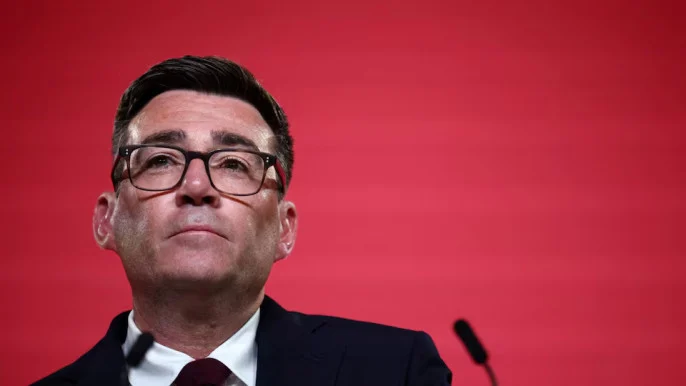
Britain is set to have a Britain New Prime Minister on Monday as Andy Burnham prepares to take office following his election as leader of the governing Labour Party. The leadership change will take place without a general election because of the way the United Kingdom's parliamentary system operates.
Burnham, a veteran Labour politician and former Mayor of Greater Manchester, secured overwhelming support from Labour lawmakers during the party's leadership contest. He received backing from 349 of the party's 401 Members of Parliament, making him the only candidate to qualify for the leadership election.
The Labour Party formally confirmed Burnham as its new leader during a special party conference on Friday. However, he will officially become prime minister on Monday after completing the constitutional process at Buckingham Palace.
Current Prime Minister Keir Starmer remains caretaker prime minister until the transition is completed. On Monday, Starmer will deliver a farewell statement before meeting King Charles III to formally resign from office.
Following Starmer's resignation, Burnham will travel to Buckingham Palace, where the King will invite him to form a new government. The traditional ceremony, known as the "Kissing of Hands," marks the formal transfer of power. Despite its historic name, the ceremony does not involve kissing hands and typically consists of a brief private meeting.
After leaving the palace, Burnham will officially become the 59th Prime Minister of the United Kingdom. He is then expected to travel to 10 Downing Street, the official residence of the prime minister, where he will deliver his first public statement as head of government.
The leadership change follows Starmer's resignation last month after serving as prime minister for nearly two years. His departure came after growing political pressure within the Labour Party following disappointing results in local elections and criticism over several government decisions.
Under Britain's parliamentary system, a general election is not required when a governing party changes its leader during a parliamentary term. Because Labour currently holds a majority in the House of Commons, the party leader automatically becomes prime minister once formally appointed by the monarch.
The next nationwide general election is not legally required until 2029, five years after the 2024 general election that brought Labour to power with a parliamentary majority.
Britain's political system has experienced several leadership transitions without general elections in recent years. Former Conservative prime ministers Theresa May, Boris Johnson, Liz Truss, and Rishi Sunak all entered office after winning internal party leadership contests rather than national elections.
The United Kingdom's constitutional system allows governing parties to replace leaders whenever necessary, provided the new leader can command the confidence of the House of Commons. This process is intended to ensure continuity of government without requiring a national vote each time a party changes leadership.
Burnham's appointment will make him the latest leader during a decade marked by frequent changes at the top of British politics. The country has seen multiple prime ministers since the Brexit referendum, reflecting significant political and economic challenges during that period.
With the formal transfer of power expected to take only a few hours on Monday, Britain New Prime Minister Andy Burnham will assume responsibility for leading the government and setting the country's political agenda for the remainder of the current parliamentary term.