
UK House Prices Post First Fall This Year
British house prices recorded their first monthly decline of the year in recent data, according to figures from Nationwide, marking a shift in a housing market that had shown only modest movement for much of the past two years. The building society reported a zero point six percent monthly drop, a notable change after a
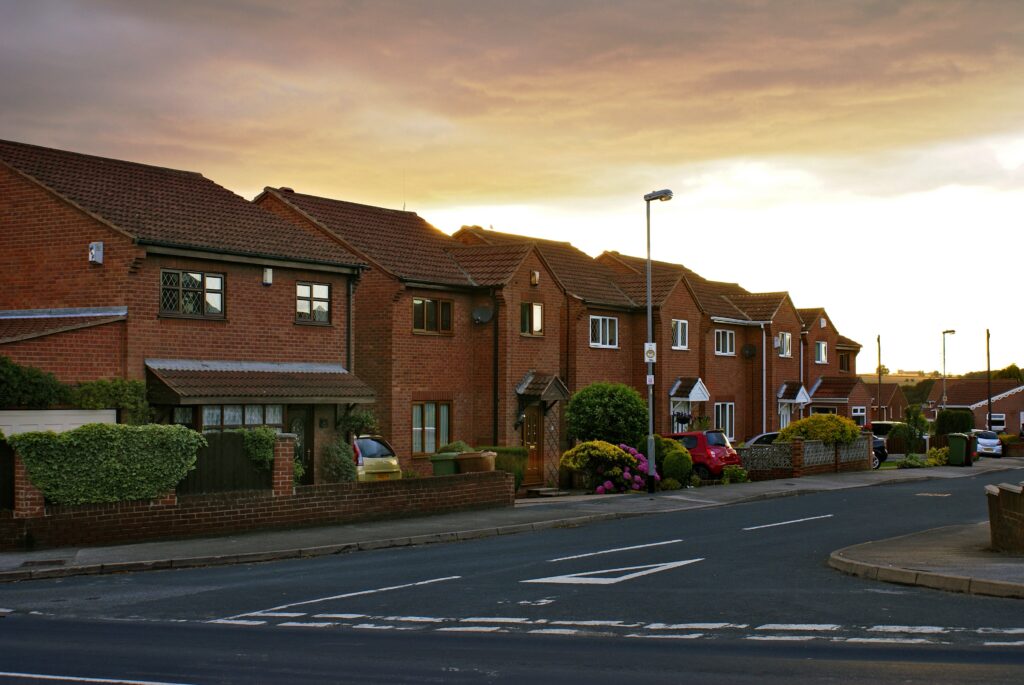
British house prices recorded their first monthly decline of the year in recent data, according to figures from Nationwide, marking a shift in a housing market that had shown only modest movement for much of the past two years. The building society reported a zero point six percent monthly drop, a notable change after a long stretch of relatively flat pricing that has characterized the market since late 2024.
Nationwide described current market activity and pricing as subdued, pointing to an uncertain broader economic backdrop as a key factor weighing on buyer confidence. The lender specifically cited high geopolitical tensions, particularly the ongoing conflict in the Middle East, as a source of upward pressure on both energy prices and market interest rates, creating headwinds for the housing market even as underlying demand for homes remains present across much of the country.
Separate data from Lloyds, formerly known as Halifax, showed a somewhat different but broadly consistent picture, with average house prices remaining largely unchanged in July at two hundred ninety nine thousand two hundred fifty three pounds. That figure represented annual growth of just zero point one percent, marking the slowest pace of yearly price growth recorded since November 2023, according to the lender's most recent housing market update.
Lloyds described the market as having remained relatively stable for almost two years, with prices moving within a narrow range throughout that period. The lender noted that current average prices sit only zero point five percent higher than levels recorded back in November 2024, illustrating just how little movement the market has seen despite ongoing economic uncertainty and shifting interest rate expectations throughout that stretch.
Regional variation across the UK housing market has remained a consistent theme throughout this year, with northern regions and Scotland generally outperforming southern England in terms of price growth. Earlier data in the year showed Northern Ireland and Scotland posting some of the strongest annual gains nationally, while London and the South East have periodically shown flat or slightly negative annual price movements, reflecting a persistent north south divide in housing market performance.
Mortgage affordability remains a central challenge for many prospective buyers, with average fixed mortgage rates hovering around four percent even as the Bank of England has held its main interest rate steady in recent meetings. Housing analysts note that while rates have stabilized compared to the sharp increases seen in previous years, they remain elevated enough to constrain buying power for many households, particularly first time buyers trying to enter the market.
Economists tracking the sector say the combination of geopolitical uncertainty, elevated energy costs, and cautious interest rate policy has created a challenging environment for sustained house price growth this year. Both major lenders had initially forecast modest annual growth in the range of two to four percent for 2026 when they released their outlooks late last year, though the actual performance through the middle of the year has tracked toward the more conservative end of those projections given ongoing external pressures.
Looking ahead, much will depend on how the regional conflict affecting global energy markets develops in the coming months, along with any further moves by the Bank of England on interest rates. For now, this latest data suggests the UK housing market remains in a holding pattern, with buyers and sellers alike navigating a period of genuine uncertainty rather than clear directional momentum in either direction.